8 Fabrication Processes of Steel Tanks
 July 24, 2026
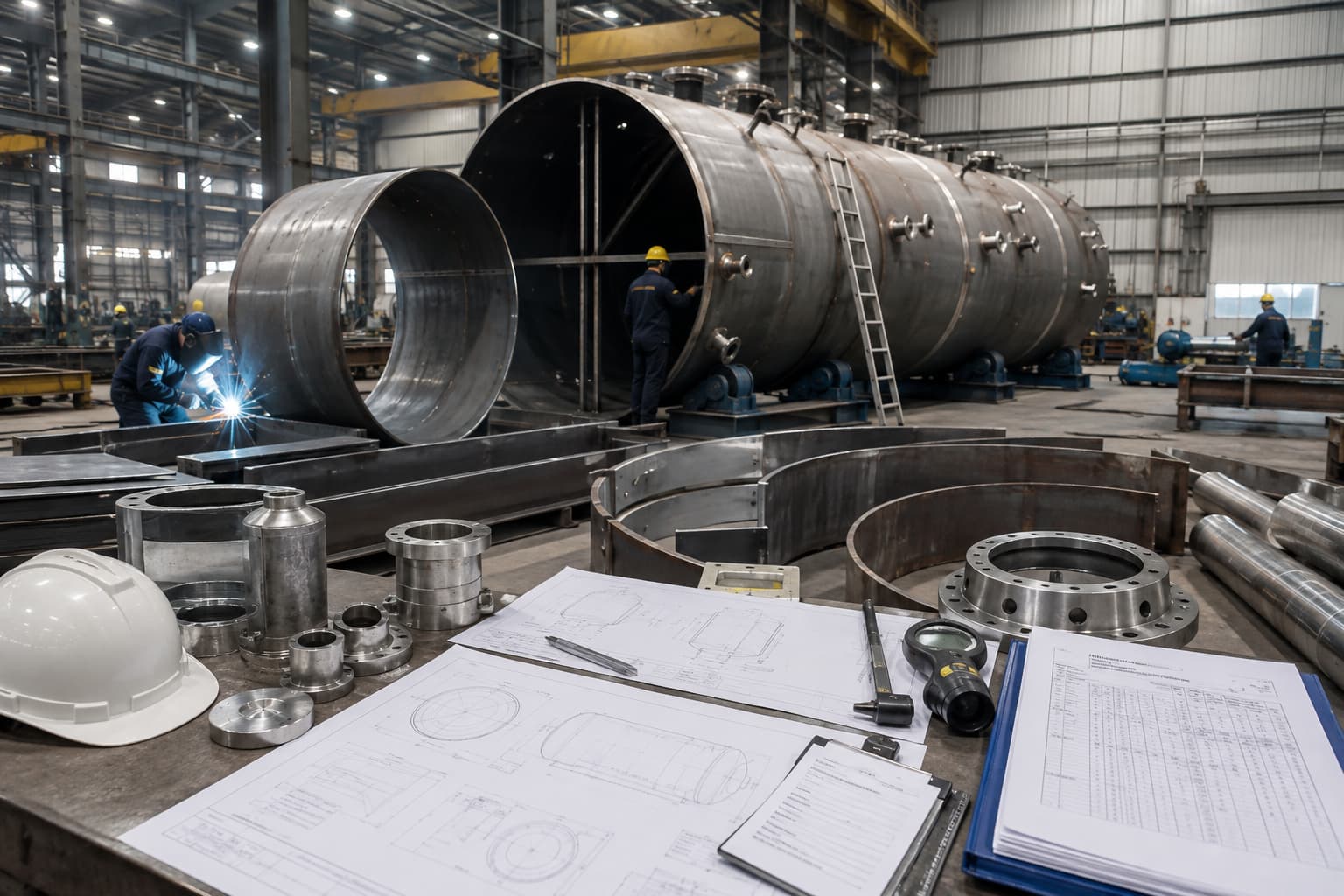
8 Fabrication Processes of Steel Tanks
1. Design and Engineering
2. Material Selection and Preparation
3. Cutting and Forming
4. Welding and Assembly
5. Surface Treatment and Coating
6. Testing and Inspection
7. Installation and Commissioning
8. Maintenance Planning and Records
Overview
- Steel tank fabrication follows a controlled sequence from design to commissioning so facilities can verify capacity, material compatibility, weld quality, coating performance, and installation readiness.
- For facilities managers, understanding each stage helps reduce approval delays, prevent site rework, and confirm that the finished tank supports water, process, chemical, or utility storage needs.
- The most important control points include design review, material traceability, weld procedure qualification, coating verification, hydrostatic testing, and complete fabrication records.
The fabrication processes of steel tanks affect more than how a tank is built. They influence storage reliability, inspection readiness, corrosion resistance, maintenance access, and the amount of site work required before commissioning. A tank that is rushed through design, cutting, welding, coating, or testing may still look complete, but hidden gaps can lead to leakage, coating failure, poor nozzle alignment, or unplanned shutdowns.
For facilities managers, knowing the major steps makes it easier to review proposals, coordinate installation schedules, and ask the right questions before fabrication begins. Industrial tanks are often connected to piping, pumps, treatment systems, or production lines, so each fabrication decision must support the facility’s actual operating conditions. The process also helps teams understand how steel tanks are used across industries such as water storage, food and beverage processing, chemicals, and fire protection.
Design and Engineering
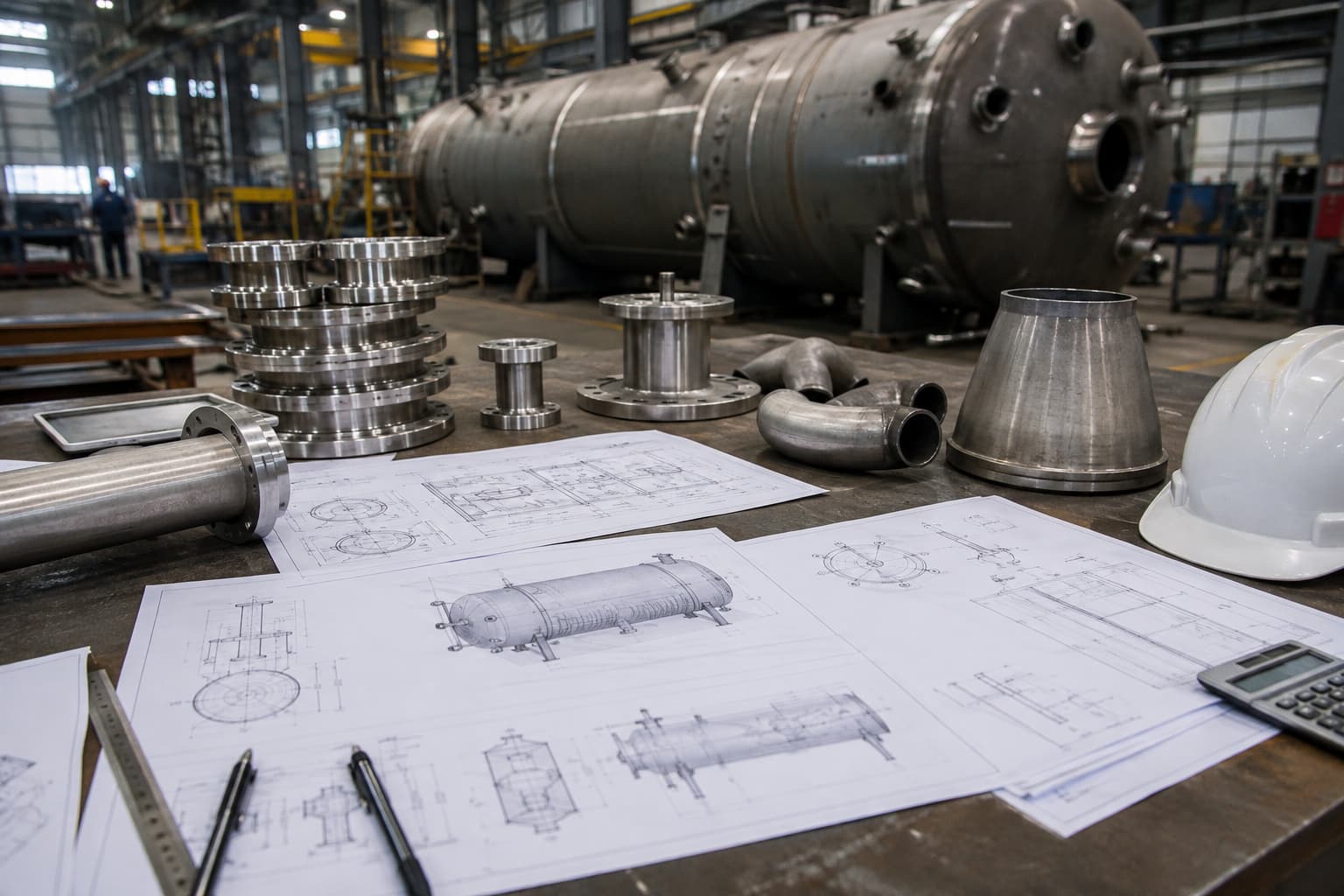
The design and engineering stage converts facility requirements into fabrication drawings, material specifications, tank dimensions, nozzle orientation, weld maps, and inspection hold points. The fabricator evaluates stored fluid, operating temperature, capacity, site clearance, foundation conditions, and piping connections before steel is cut. For customized storage work, choosing a steel tank fabricator in the Philippines with engineering and site coordination experience helps ensure the tank is designed for actual plant conditions.
Define Capacity, Dimensions, and Connections Early
Facilities managers should confirm working volume, overflow capacity, nozzle sizes, manway locations, drain points, and access clearances before approving drawings. Small layout errors at this stage can require costly field cutting or pipe modification later.
Use Design Review to Reduce Site Rework
A design review meeting aligns the fabricator, facility team, contractor, and operations personnel. It allows teams to check transport access, lifting points, foundation readiness, and installation sequence while changes are still easier to make.
Material Selection and Preparation
Material selection matches the steel grade, plate thickness, and surface requirements to the tank’s service conditions. Carbon steel may suit utility water or non-corrosive applications when protected by the right coating, while stainless steel may be needed for sanitary or corrosion-sensitive service. Material preparation includes mill certificate review, incoming inspection, plate cleaning, blasting, and edge preparation.
Verify Material Traceability Before Cutting
Mill test certificates should match each steel plate, fitting, and nozzle material. Traceability helps confirm that the tank is not built with substituted or uncertified steel.
Prepare Surfaces for Welding and Coating
Clean edges and proper surface profiles improve weld quality and coating adhesion. Poor preparation can lead to weld defects, coating delamination, or early corrosion.
Cutting and Forming
Cutting and forming turn flat steel plates into tank components. Plates may be cut using plasma, laser, or other methods depending on thickness and edge requirements. Roll bending forms cylindrical shell courses, while heads, bottoms, and reinforcements are shaped to match the design. This stage determines fit-up accuracy and reduces stress during welding.
Match Cutting Method to Plate Thickness
The selected cutting method should produce edges that are accurate enough for welding without excessive grinding. Clean cuts shorten fit-up time and reduce rework.
Check Roundness and Fit-Up Accuracy
Shell courses must remain within dimensional tolerances. Out-of-round sections can affect roof fit, nozzle orientation, and alignment during field installation.
Welding and Assembly
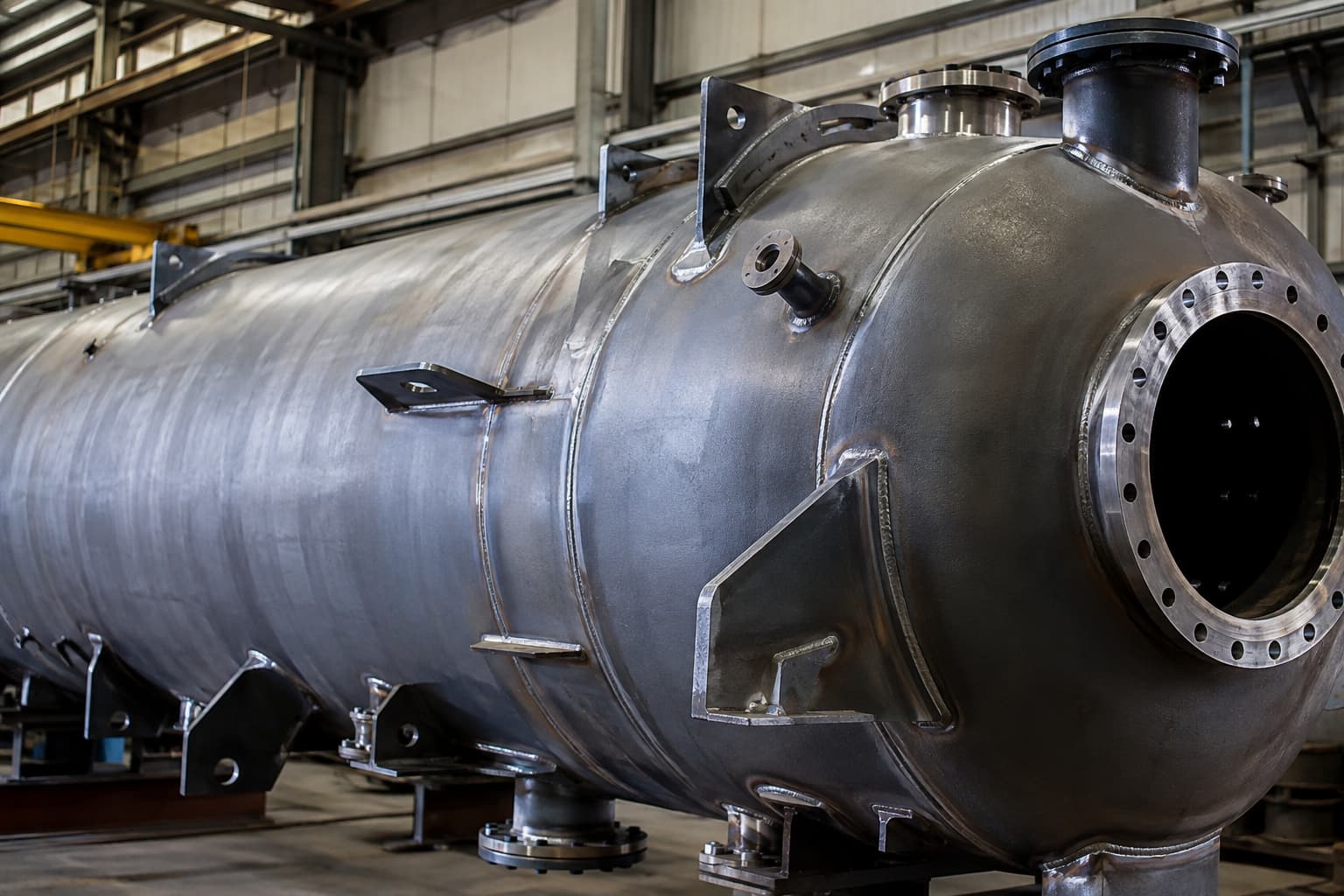
Welding and assembly connect shell courses, bottom plates, roof sections, nozzles, manways, stiffeners, and supports. Qualified welding procedures and skilled welders are essential because weld quality determines leak tightness and structural strength. Industrial PH’s discussion of the steel tank fabrication process in the Philippines also highlights design, material choice, welding, and testing as core steps in producing reliable tanks.
Use Qualified Weld Procedures for Each Joint
Welding procedure specifications should match the steel grade, thickness, and joint type. This avoids inconsistent heat input, poor penetration, or weld cracking.
Track Welds with a Weld Map
A weld map records the joint location, welder, procedure, and inspection status. This is useful when investigating defects or validating repairs before hydrostatic testing.
Surface Treatment and Coating
Surface treatment removes mill scale, rust, oil, and contaminants before coating or lining. Coating selection must match the stored fluid, operating temperature, cleaning method, and exposure environment. For tanks connected to broader plant utilities, coordination with an industrial piping contractor in the Philippines can help ensure nozzles, flanges, and connected lines support long-term reliability.
Select Coatings Based on Stored Fluid
The coating system for industrial water, chlorinated water, chemicals, or process liquids should be specified before fabrication. A generic coating may fail when exposed to incompatible chemistry.
Verify Coating Continuity Before Service
Holiday testing, dry film thickness checks, and visual inspection help identify pinholes, thin spots, or damaged areas before the tank is commissioned.
Testing and Inspection
Testing and inspection confirm whether the tank meets design and quality requirements before handover. Common checks include dimensional inspection, weld visual inspection, hydrostatic testing, radiographic or ultrasonic testing when required, and coating inspection. These records provide facilities managers with evidence that the tank is suitable for service.
Confirm Leak Tightness Through Hydrostatic Testing
Hydrostatic testing fills the tank with water under controlled conditions to check for leakage, distortion, or weak welds before it enters operation.
Use NDT for Critical Welds
Non-destructive testing such as radiographic or ultrasonic inspection can detect internal weld defects that visual checks may miss, especially for critical service applications.
Installation and Commissioning
Installation turns the fabricated tank into an operational asset. The tank must be lifted, positioned, anchored, connected to piping, cleaned, and verified against site requirements. Commissioning may include final cleaning, flushing, valve checks, instrument checks, controlled filling, and handover documentation.
Verify Foundation Readiness Before Delivery
Foundation elevation, anchor bolt layout, grout condition, and access routes should be checked before the tank arrives. A tank that cannot be positioned correctly can delay the entire installation schedule.
Confirm Operational Readiness During Commissioning
Commissioning ensures drains, nozzles, valves, vents, overflows, and connected systems work as intended. This helps the facility start operation with fewer surprises.
Maintenance Planning and Records
Maintenance planning begins before the tank is placed into service. Fabrication records, coating data, weld maps, as-built drawings, and test reports support future inspections and repairs. A clear record set helps facilities managers plan outages, track corrosion risk, and maintain tank reliability over time.
Use Fabrication Records for Future Inspections
As-built drawings and inspection reports allow maintenance teams to compare current tank condition with original fabrication data.
Schedule Coating and Internal Inspection Intervals
Coating condition, stored fluid, operating environment, and regulatory requirements should guide the maintenance schedule. Planned inspections help prevent leaks and unexpected downtime.
Key Takeaway
Understanding the fabrication processes of steel tanks helps facilities managers evaluate how design, material preparation, cutting, welding, coating, testing, installation, and maintenance records affect long-term performance. Each stage creates an opportunity to prevent leakage, corrosion, misalignment, and site rework before the tank becomes part of daily operations.
Industrial PH supports industrial facilities with steel tank fabrication, water tank fabrication and erection, process piping, installation, and technical support for storage and utility systems. Contact Us Today! to discuss your next steel tank fabrication project and confirm the right process, materials, and site requirements for your facility.