How HVAC Systems Improve Indoor Air Quality
 May 25, 2026
Overview
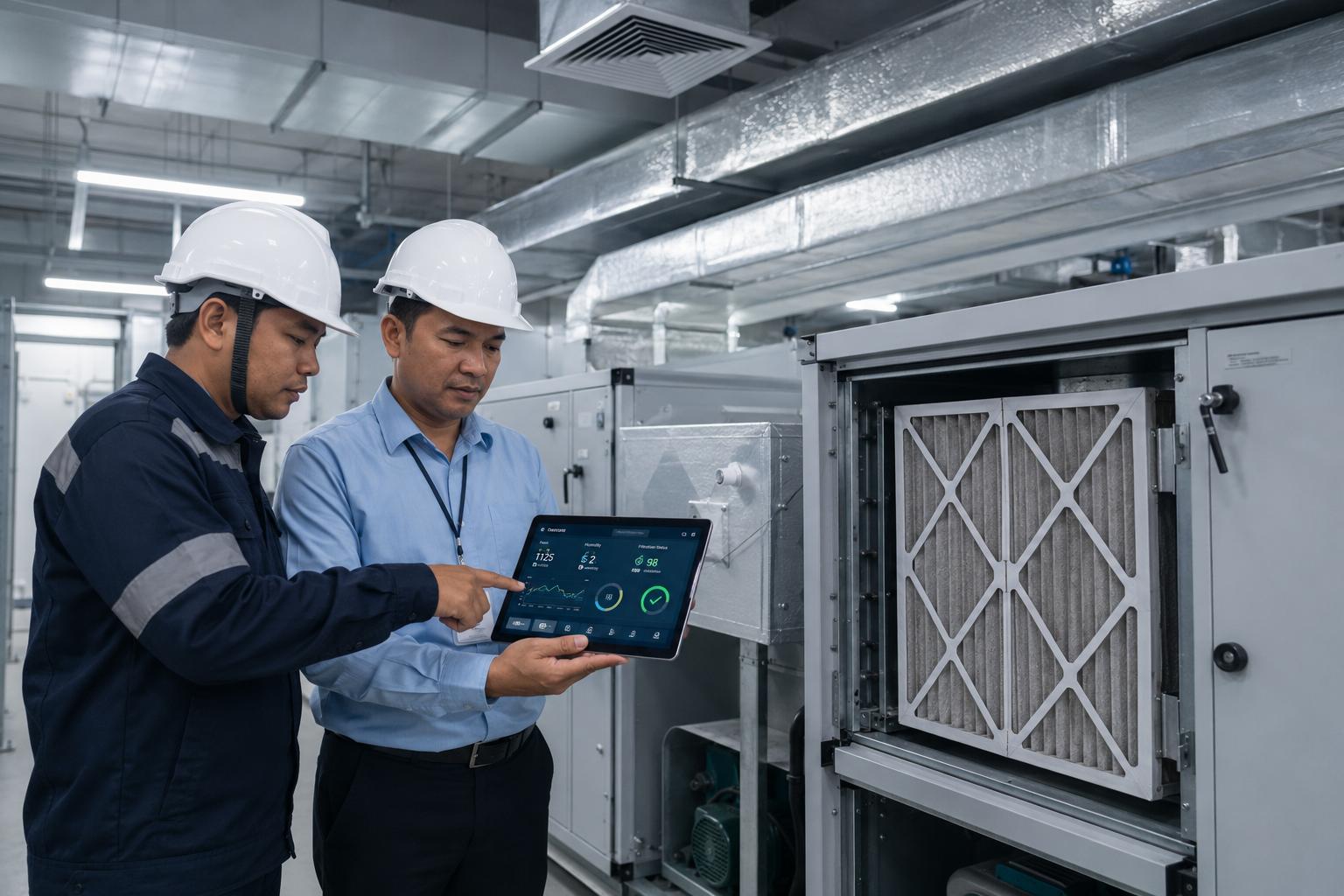
- HVAC systems enhance indoor air quality through essential mechanisms such as fresh-air ventilation to dilute carbon dioxide and other contaminants, targeted air filtration with various MERV-rated filters, and rigorous humidity control to prevent mold growth.
- Advanced purification add-ons like UV-C lights and ionizers further neutralize micro-pollutants, ensuring healthier indoor environments.
Indoor air quality is crucial in maintaining a safe, comfortable, and productive environment inside establishments.
That’s why Heating, Ventilation, and Air Conditioning (HVAC) systems serve as the central air handling solution. While their primary function is temperature control, they also regulate airflow, introduce fresh air, filter contaminants, control humidity, and support modern purification processes.
In this article, we’ll discuss how HVAC systems improve indoor air quality by preventing pollutant buildup and, potentially, how to find the right HVAC contractor in the Philippines.
Ventilation
Ventilation is one of the most important ways HVAC systems improve indoor air quality because it controls how air enters, circulates, and exits a building. They also function by regularly exchanging indoor and outdoor air, reducing the concentration of unwanted substances inside the space.
Fresh Air Exchange
It enhances indoor air quality by replacing stagnant indoor air with filtered, conditioned outdoor air before it enters the structure. During usual operations, indoor areas accumulate carbon dioxide (CO₂), volatile organic compounds (VOCs), odors, and other airborne pollutants from occupants, equipment, furniture, and daily activities. If these contaminants remain trapped indoors, they can affect indoor air quality.
HVAC ventilation components, such as outdoor air intakes and air handling units, bring fresh air into the facility and exhaust stale air. This replacement procedure helps dilute CO₂ levels, minimize pollutant concentration, and maintain a healthier indoor ambiance.
Air Circulation
HVAC systems use fans, ductwork, and air distribution elements to move conditioned air throughout an establishment. As air travels through the facility, stale air is collected via return vents and returned to the HVAC system for filtration and treatment. As a result, the process prevents areas with limited airflow from becoming pockets where contaminants concentrate.
Air Filtration
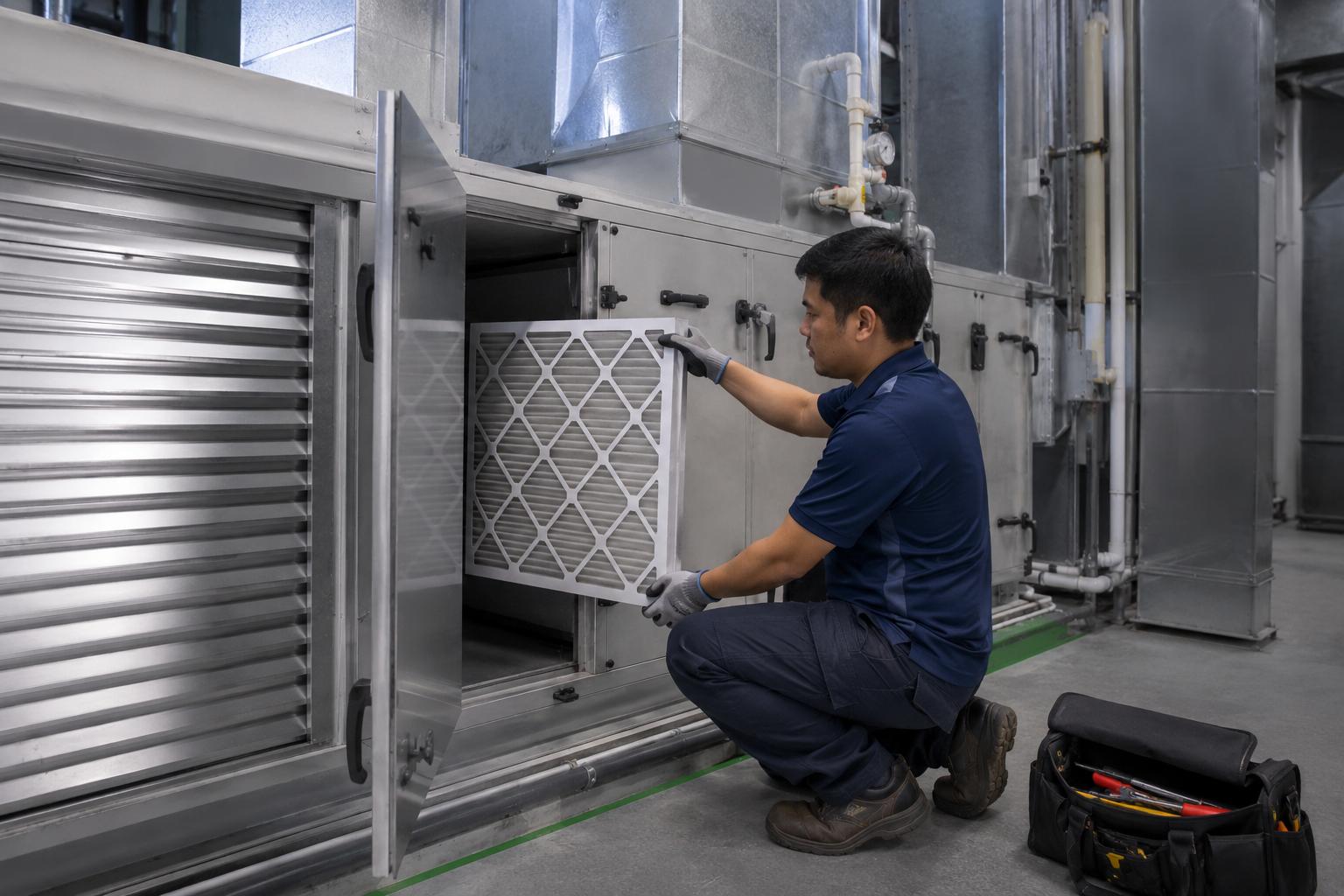
This serves as the primary defense against airborne contaminants. While ventilation removes and replaces indoor air, filtration actively captures unwanted particles before conditioned air is redistributed in the structure.
Trapping Contaminants
When indoor air enters the HVAC return system, it passes through filter media to capture contaminants such as dust, pollen, pet dander, mold spores, bacteria, and other microscopic particles. The filter material creates a barrier to allow cleaner air to pass through while trapping unwanted particles. Though this method reduces the number of airborne irritants entering offices, filters should be regularly checked and replaced because accumulated debris can reduce airflow and filtration efficiency.
Filter Grades
Filter performance is measured using the Minimum Efficiency Reporting Value (MERV) rating, created by the American Society of Heating, Refrigerating and Air-Conditioning Engineers (ASHRAE), which indicates how adequately a filter captures airborne particles of different sizes. When choosing an HVAC filter, facilities should consider the necessary level of filtration and whether the system can maintain appropriate airflow with the chosen filter.
Common MERV ratings include:
- MERV 8–10: Suitable for commercial and office applications, these filters capture bigger airborne particles such as dust, pollen, and common debris.
- MERV 11–12: These filters capture smaller particles, including finer dust, pet dander, and some mold spores, and are best used for structures that require greater indoor air quality.
- MERV 13: These filters deliver higher-efficiency filtration and can capture smaller airborne particles, including fine allergens, smoke particles, and specific airborne contaminants.
Humidity Control
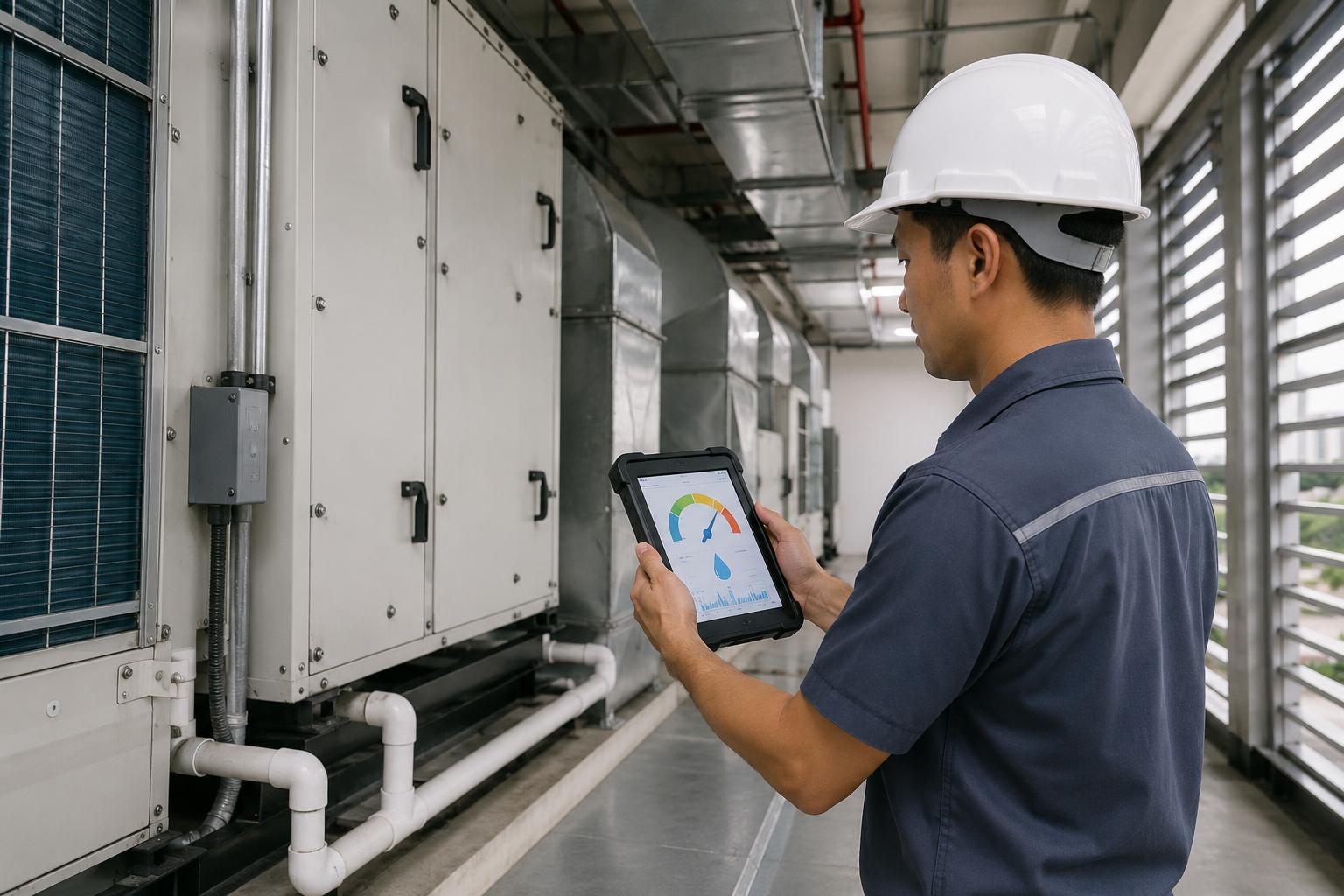
Humidity control is another essential function of HVAC solutions because moisture levels affect indoor air quality. Excessive humidity creates conditions where biological contaminants can grow, while insufficient humidity may cause discomfort.
Moisture Management
When warm air enters the air-conditioning system, the cooling procedure causes moisture in the air to condense on the coils. This moisture is collected and drained away, allowing drier air to circulate back into the structure.
Maintaining proper humidity levels prevents extreme dampness and supports better indoor comfort. Ideally, indoor humidity should generally remain within the suggested range of around 30% to 50% for a well-balanced environment.
Mold Prevention
Humidity control helps prevent mold growth by removing one of the major conditions mold requires to develop: excess moisture. When indoor spaces remain damp, mold and mildew can grow on walls, ceilings, carpets, insulation, and even inside HVAC components, where growths can release spores into the air. With consistent moisture-level regulation and maintenance, humidity management safeguards both occupants and the building’s condition.
Advanced Purification Add-ons
While ventilation and filtration address common indoor air quality issues, some facilities require additional purification methods for greater protection. Modern purification technologies work alongside HVAC equipment by targeting smaller contaminants that may pass through subpar filters.
UV-C Lights
By utilizing ultraviolet energy, UV-C lights neutralize microorganisms that pass through HVAC equipment. These lights are installed inside air handling units or within ductwork, where they expose circulating air to UV-C radiation. This process disrupts the structure of microorganisms such as bacteria, viruses, and mold spores, reducing the likelihood of reproduction.
Ionizers/Air Purifiers
Ionization technology works by electrically charging airborne particles, causing them to combine into larger particles that are easier for HVAC filters to capture. Some purification systems also release active ions that minimize odors and certain airborne contaminants within the airstream. When properly integrated into the equipment, they provide additional air-cleaning support for facilities facing challenges such as allergens, odors, or elevated contamination risks.
Partner with Industrial PH for Reliable HVAC Systems!
Industrial PH provides reliable HVAC solutions designed for commercial, industrial, and specialized facilities. With expertise in HVAC system planning, installation, and optimization, we help businesses improve airflow management, maintain efficient cooling performance, and support healthier indoor environments.
By partnering with us, you can have a trusted team that supports your HVAC requirements from system selection to implementation. We can also help you assess factors such as facility, ventilation, energy-efficiency goals, and long-term maintenance to ensure operational reliability.
Key Takeaway
Understanding how HVAC systems improve indoor air quality helps organizations recognize the importance of proper ventilation, filtration, humidity control, and air purification.
Through fresh air exchange, contaminant filtration, and moisture regulation, HVAC systems create healthier environments. Industrial PH offers reliable HVAC design, installation, and optimization to help businesses manage commercial and industrial air quality. Reach out to us today to learn more.