Where Are Fire Detection Gaps Most Common in Industrial Facilities?
 April 30, 2026
Overview
- Fire detection gaps in industrial facilities often occur when system design does not match the facility’s actual hazards, layout, operations, and environmental conditions.
- These gaps commonly come from inadequate site-specific risk assessments, poor detector placement, unsuitable devices, inconsistent maintenance, technical failures, and human or operational errors.
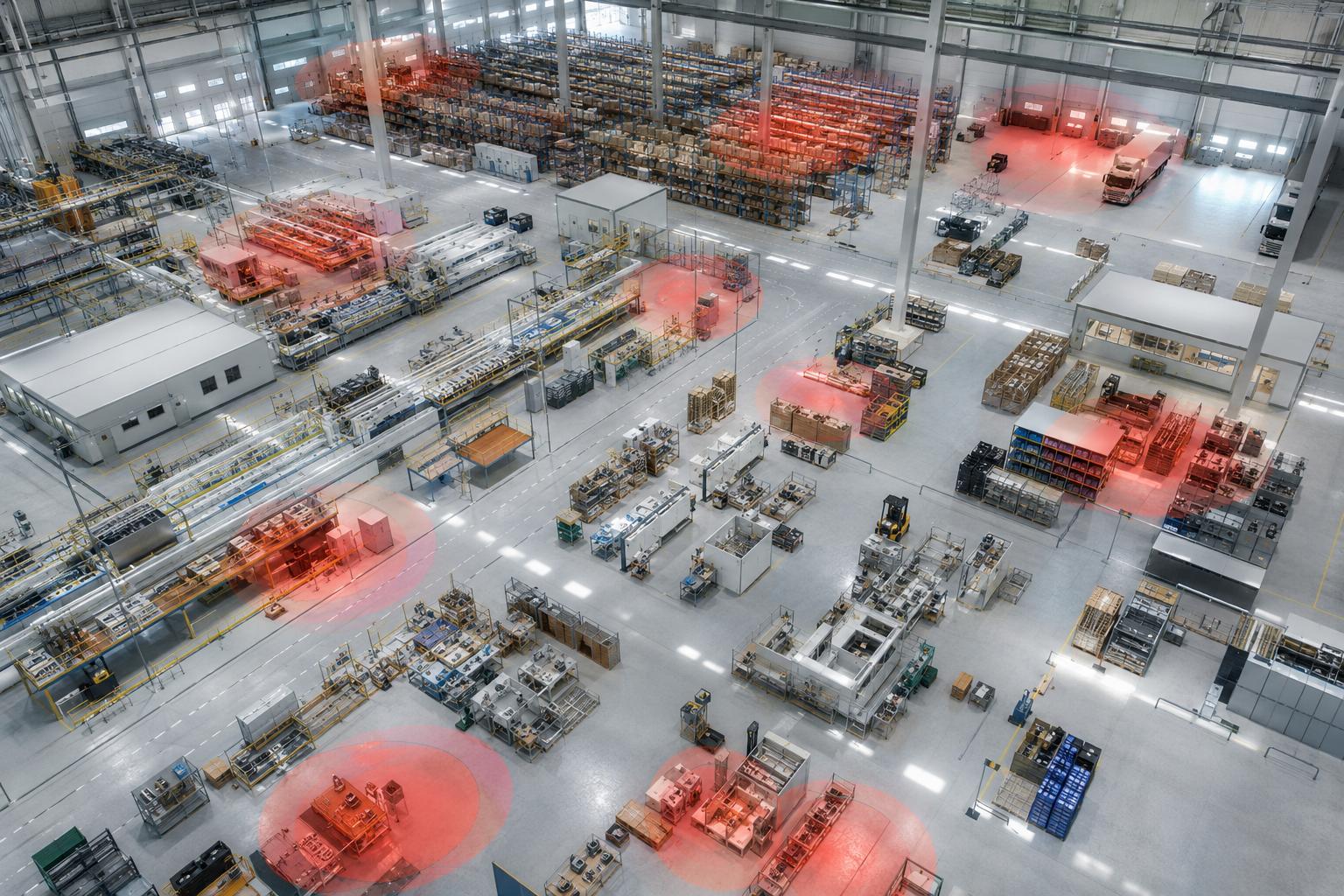
- When left unresolved, these issues can delay alarms, increase false alerts, weaken emergency response, and expose high-risk areas such as chemical storage rooms, warehouses, production lines, and automated storage zones.
- Closing these gaps requires proper hazard assessment, suitable detection technologies, regular audits, integrated systems, and ongoing support from experienced fire protection specialists like Industrial PH.
Having fire detection and alarm systems in place does not automatically eliminate fire risks. In industrial facilities, certain areas may still go undetected due to layout limitations, equipment obstructions, environmental conditions, or changes in daily operations. When fires or gas releases go unnoticed, they can escalate quickly and lead to costly damage, injuries, or operational shutdowns.
Identifying these weak points is one practical way to strengthen fire safety, protect employees, and keep production facilities compliant and reliable. These gaps are often overlooked during design, renovation, or routine operations, making regular assessment essential.
By understanding where fire detection gaps are most common in industrial facilities, facility managers can take preventive action before small risks turn into high-cost incidents.
Inadequate Site-Specific Risk Assessment
Generic fire detection designs may not be enough for areas such as chemical storage rooms, metal-processing shops, combustible-dust zones, or flammable-liquid transfer areas.
For example, standard commercial smoke detectors are not always suitable for high-temperature, dusty, corrosive, or process-heavy environments. These areas may require specialized detectors, with placement based on ventilation patterns, gas dispersion, and equipment layout rather than standard floor-area templates.
This becomes a greater concern when the facility changes but the fire detection design is not updated. If alarm settings and gas-detection zones are not re-evaluated, early-stage fires or gas releases may go unnoticed.
This is why fire detection planning should begin with a full assessment of the facility’s actual hazards instead of relying only on a standard system layout.
Poor Detector Placement and Environmental Factors
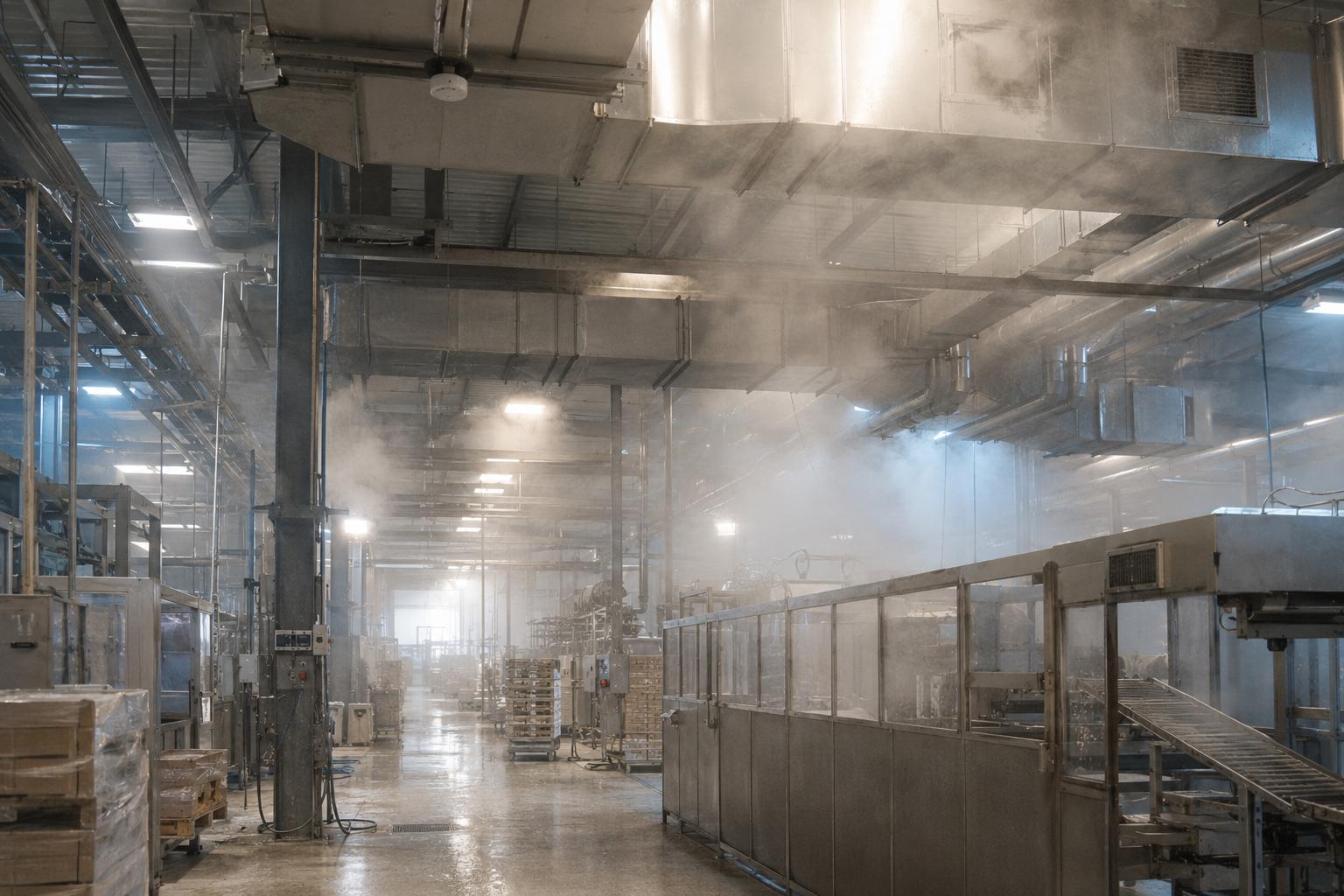 When detectors are installed too far apart, too close to walls, or behind beams, ducts, or partitions, they can create “shadow areas” where smoke is harder to detect. These dead zones may allow a fire to grow locally without triggering the alarm, delaying evacuation and suppression until smoke reaches a clear detection zone.
Environmental conditions can also affect detector performance. In dusty factories or steamy areas, for example, standard smoke detectors may trigger frequent false alarms. When this happens repeatedly, personnel may disable, cover, or bypass the system, creating a bigger safety risk.
These risks can be reduced by using detector types suited to each hazard zone. In some areas, combining lower-level heat or flame detectors with ceiling-level detection can improve coverage and response time.
Maintenance and Technical Failures
A fire detection system can create a false sense of security if it is not regularly tested, cleaned, and maintained. In unmanned automated warehouses, high-density storage areas, and remote sections of a facility, small fires can develop into major incidents when the system fails to detect or report them early.
This is especially critical in automated storage and retrieval systems, where dense storage layouts and robotic equipment can make fire spread harder to control and firefighting more difficult.
Inconsistent testing can lead to dirty detectors, faulty components, and corroded or loose wiring. These issues may delay alarms, prevent alerts from activating, or cause the system to perform unreliably during an emergency.
Effective maintenance, proper detector selection, and smart alarm logic are essential in automated, high-density, or rarely accessed industrial spaces. Routine upkeep also supports system dependability and compliance with fire safety standards.
Human and Operational Factors
Human and operational factors are a major reason even well-designed fire detection systems can underperform in industrial and warehouse environments.
Personnel who are not trained to recognize fire hazards, such as overloaded electrical panels, blocked exits, unusual odors, or unsafe storage practices, may delay reporting a fire or respond incorrectly during an emergency.
Daily operations can also compromise passive fire protection. Fire doors, fire curtains, and compartmentation barriers are designed to contain fire and smoke within a specific zone. When these are wedged open, damaged, or bypassed for convenience or material movement, smoke and fire can spread more freely.
This is why training, strict enforcement of passive protection measures, and tighter contractor controls are just as important as fire detection hardware and software. When teams understand their role in fire safety, facilities can reduce operational gaps and respond more effectively when risks arise.
Solutions to Close Gaps
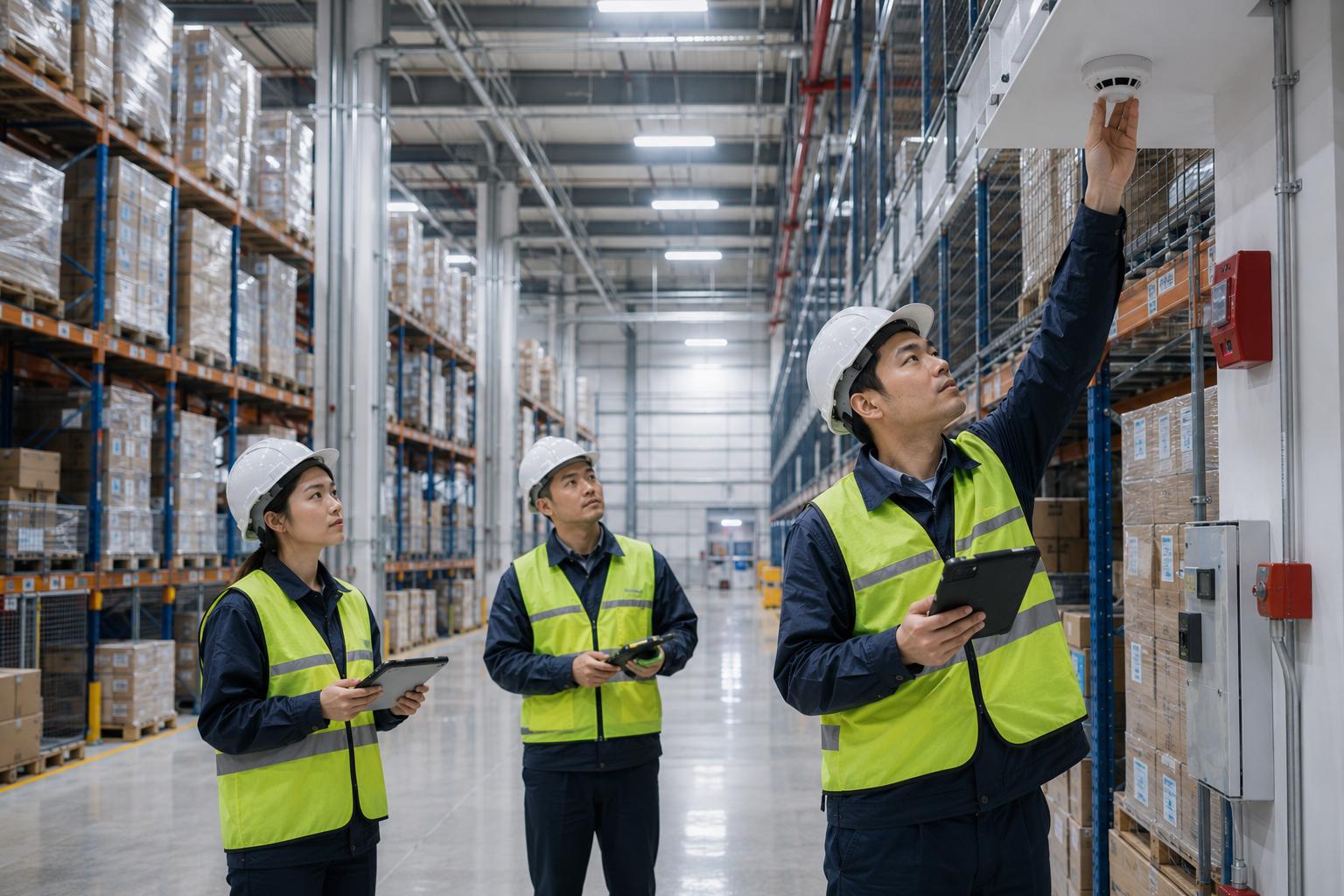 Every facility has different risks, layouts, and operational demands, so closing fire detection gaps requires a site-specific approach. At Industrial PH, we provide engineering support to assess existing fire detection systems and recommend solutions that improve coverage, reliability, and emergency response.
Implement Advanced Technologies
Advanced fire detection technologies can help facilities detect risks faster and respond with greater accuracy. Industrial PH’s addressable fire detection and alarm systems can identify the exact detector that triggered the alarm, helping response teams locate the affected area more quickly in large or complex spaces.
Conduct Regular Audits
Regular audits help ensure that fire detection systems still match the facility’s current layout, hazards, and operations. As storage areas, equipment placement, production lines, or room functions change, audits can identify weak points before they affect safety performance.
Use Integrated Systems
Integrated systems help reduce response gaps by allowing fire alarms, suppression systems, emergency lighting, security platforms, and building management systems to work together. Industrial PH offers modern fire detection and alarm systems that can be configured to support better coordination during emergencies.
Key Takeaway
Understanding the fire-detection gaps common in industrial facilities is essential for preventing delayed alarms, unsafe evacuations, and costly operational disruptions. From poor detector placement to outdated hazard assessments and maintenance issues, these gaps can weaken overall fire protection if left unchecked.
At Industrial PH, we help facilities improve fire detection coverage through advanced FDAS solutions, regular audits, and integrated systems designed for industrial environments.
To strengthen your facility’s fire safety, contact us today for expert support.