A Complete Guide to Quality Control Equipment
 June 26, 2025

Overview
- This article provides readers with information on quality control equipment and how it is used in modern manufacturing. It explains what it is and why it’s essential in upholding safety and regulatory compliance across various industries.
- Each section highlights details on how they help establishments maintain consistent product standards. The article helps readers understand how to implement reliable systems that enhance quality assurance and operational efficiency.
Maintaining consistent quality in production processes is crucial for every manufacturing company. To achieve this, they must have a clear understanding of the essential tools required to uphold those standards. Companies like Industrial PH will have the solutions you need to ensure that your offerings stay aligned with industry-set regulations.
This article will serve as your complete guide to quality control equipment. The sheer number of technologies involved may seem overwhelming at first, but gaining clarity on their functions is key to building effective operations in the long run.
What Is Quality Control Equipment?
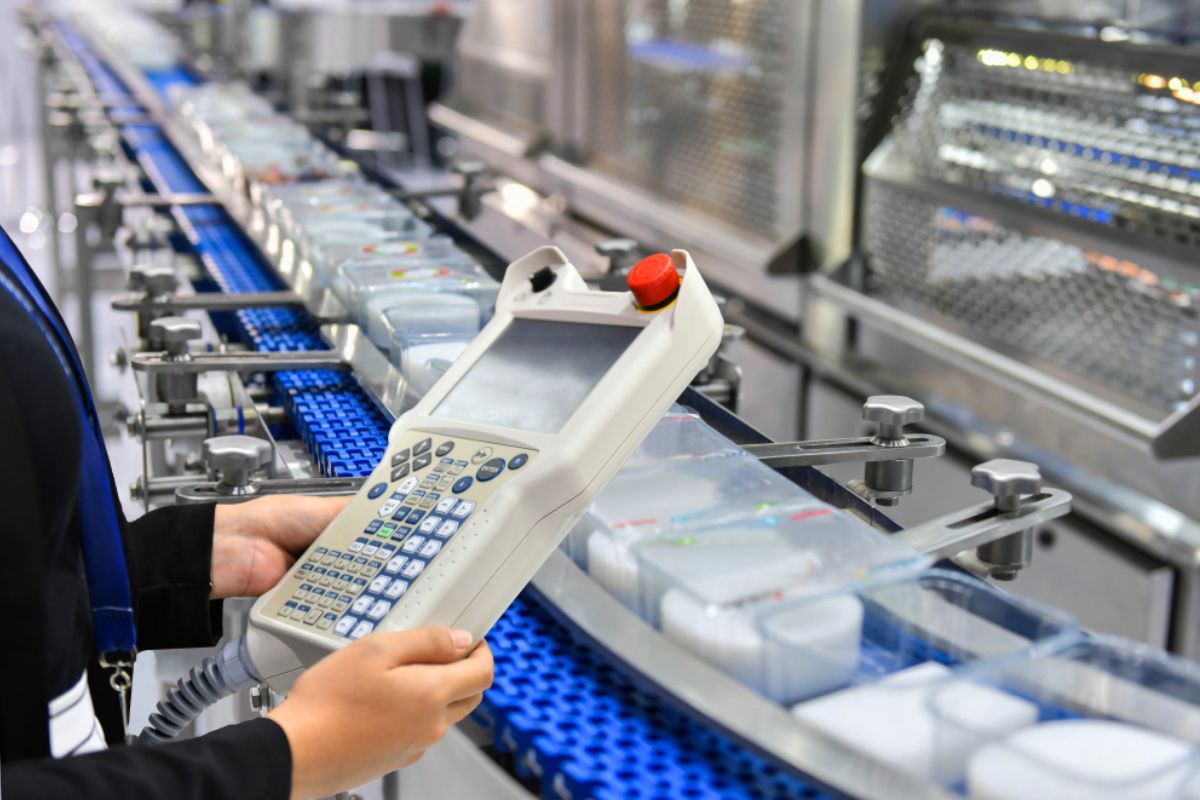
Quality control equipment refers to the tools and systems used that are used to measure, monitor, and manage quality in a manufacturing environment. These technologies are designed to detect flaws, ensuring that every output meets the specified safety standards mandated by laws.
Furthermore, these tools are especially crucial in industries that manufacture consumable goods such as food, beverages, and pharmaceuticals. Due to the nature of the products they handle, they all require important measures to maintain precision and safety before the outputs can reach consumers.
Why Is Quality Control Important?
Production-based establishments are all expected to meet both customer expectations and regulatory standards set by the nation’s government bodies. In the Philippines, companies uphold Republic Act No. 4109, or the Standards Law, as mandated by the Department of Trade and Industry (DTI). Every product must meet the highest standards of safety to prevent widespread health concerns among consumers.
Without proper quality control (QC), there is a higher chance of producing faulty or substandard assets. One defective product from the food or pharmaceutical industry could result in costly recalls that could significantly damage your establishment. Quality control is important because it will ensure that you not only meet your customers’ expectations but also earn brand loyalty for your company.
What Are the Different Types of Quality Control Equipment?

Each technology is designed to serve a specific function during manufacturing processes, ensuring that different aspects are thoroughly tested and verified before they reach store shelves. This section will discuss what each one does and how they help achieve consistency.
Automated Inspection Systems
These solutions use cameras and sensors to inspect products with high precision. They are commonly used in industries where small defects can leave a negative impact on performance and safety.
Manual inspections are time-consuming and prone to human error. With advanced solutions like Industrial PH’s HEUFT TORNADO II dynamic, these processes are completed at a faster rate with better accuracy. It detects faults using a camera-based system. With its online connection features, it can immediately generate reports on inspection data, ensuring that manufacturers stay informed of detected defects.
Packaging and Labeling Systems
Packaging and labeling systems are used to securely package and label goods with the correct information before they leave the production line. They ensure that products are sealed tightly and look professionally finished before mass distribution.
The HEUFT TORNADO II dynamic is designed for high-precision labeling. With its integrated quality checker, it can effectively label over 60,000 bottles per hour. For packaging, the HEUFT SPECTRUM II SX completes tasks at high speeds, processing up to 72,000 bottles per hour. Both systems guarantee operational efficiency through high-accuracy performance.
Testing Equipment
Testing equipment is used to assess functionality, durability, and quality before they reach the market. Chemical testers are typically used in the pharmaceutical industry to determine safe dosages and check for acidity. On the other hand, moisture analyzers are used in food products to accurately determine their shelf life.
Manufacturers hold the responsibility of making sure their consumables won’t cause serious health concerns upon consumption. With up-to-date testing equipment, they can ensure that their goods perform as intended and avoid disastrous recalls.
Leak Detection Systems
In the food packaging industry, even the smallest leaks can destroy the product’s contents in an instant. Implementing leak detection systems will help avoid these issues and ensure they are kept in the best condition for the buyers’ safety.
Industrial PH offers leak-proofing in the form of their HEUFT eXaminer II XB system. Its advanced features allow it to closely inspect packaging for any breakages or instabilities. With its ability to instantly identify faults in the wrapping, it can immediately reject the poor-quality goods from the ones approved for distribution.
Measuring Machines
Measuring machines, such as coordinate measuring machines (CMMs) and laser scanners, are used to precisely measure the dimensions and tolerances of fabricated parts. They are essential in automotive and medical device manufacturing, where even the slightest deviation from specifications can result in product failure.
Accurate measurement is crucial for ensuring that parts fit together and function as intended. Manufacturers will risk producing unusable parts and wasting valuable resources without a reliable tool.
Key Takeaway
Knowing the essential QC tools matters greatly in practicing safe processes. Through this complete guide to quality control equipment, you can make informed decisions about the key technologies you must avail to uphold both safety and consistency in your line of business.
Industrial PH offers reliable solutions that are specifically programmed and designed to keep your company aligned with industrial standards. Inquire now to learn more about how our offerings can benefit your operations.