6 Advantages of Conveyor Belts in the Food Industry
 October 11, 2024

What are the advantages of conveyor belts in the food industry?
- Improved efficiency and productivity
- Reduced labor costs
- Enhanced safety and hygiene
- Versatility and flexibility
- Consistent product quality
- Increased scalability
Overview
- This article explores the advantages of conveyor belts in the food industry, emphasizing their role in enhancing efficiency, reducing labor costs, and ensuring safety and hygiene.
- By automating material transport, conveyor systems streamline production processes, maintain consistent product quality, and offer flexibility to adapt to changing demands.
- With these benefits, conveyor belts become essential tools for optimizing food manufacturing operations.
Conveyor belts are critical tools across many industries, designed to move materials efficiently from one point to another. In the food industry, they are valuable for automating production processes, ensuring uniformity, and boosting overall productivity. They are constructed from materials such as rubber-metal, or plastic, these belts are engineered to meet strict hygiene and safety standards, making them ideal for handling food products.
In this article, we’ll highlight the advantages of using conveyor belts in the food industry. Read on to learn more.
Improved Efficiency and Productivity
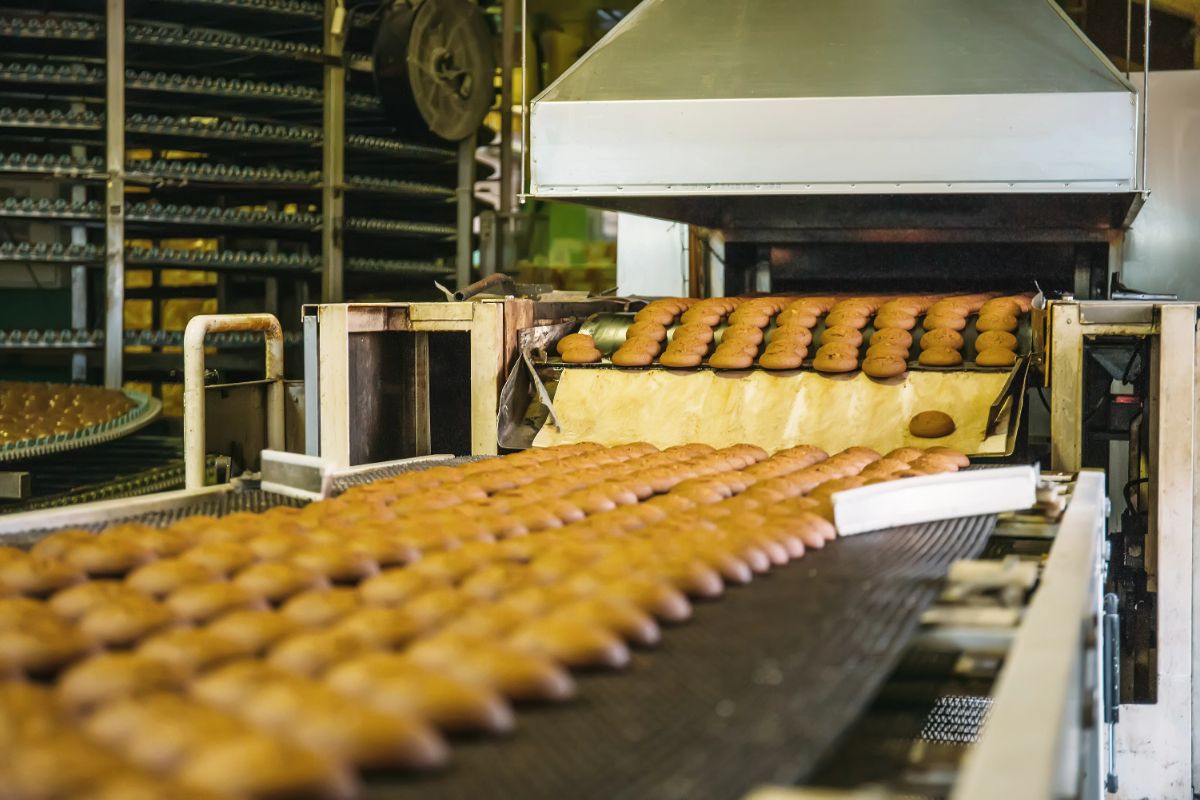
Unlike human labor, which can be inconsistent and time-consuming. Conveyor belts ensure a continuous, automated flow of materials. They move products seamlessly through each stage—processing, packaging, and shipping—at consistent speeds, eliminating the risk of bottlenecks and reducing downtime. This results in faster production cycles and higher overall output.
In traditional setups, manual handling of materials often leads to slower transitions, delays, and higher chances of error. Workers are also prone to fatigue, which can further reduce efficiency. Fortunately, conveyor belts operate without breaks, allowing manufacturers to run their operations more smoothly and consistently.
Reduced Labor Costs
These belts drastically reduce labor costs by automating the movement of materials. This eliminates the need for many manual tasks. Workers are responsible for physically transporting goods between different stages of production, which slows down the process and increases labor expenses due to more employees.
This automation allows businesses to reallocate resources more strategically, directing employees to more skilled roles such as quality control, machine operation, or process optimization. Additionally, with few workers needed for repetitive, labor-intensive tasks, food companies can reduce workplace injuries.
By integrating conveyor systems, companies can operate with a leaner workforce, minimizing the costs associated with hiring, training, and managing large teams.
Enhanced Safety and Hygiene
Conveyor belts reduce human contact with food products, lowering the risk of contamination. They minimize the chances of pathogens being introduced through manual handling, ensuring a more sterile and controlled workflow.
Many food-grade conveyor belts are specifically engineered for easy cleaning, featuring smooth surfaces and detachable components that allow for thorough sanitation after each use.
At Industrial PH, we provide high-quality, hygienic conveyor belts designed specifically for the food and beverage industry. Our systems meet stringent sanitation requirements, making them an ideal solution for manufacturers seeking to boost both safety and operational efficiency.
Versatility and Flexibility
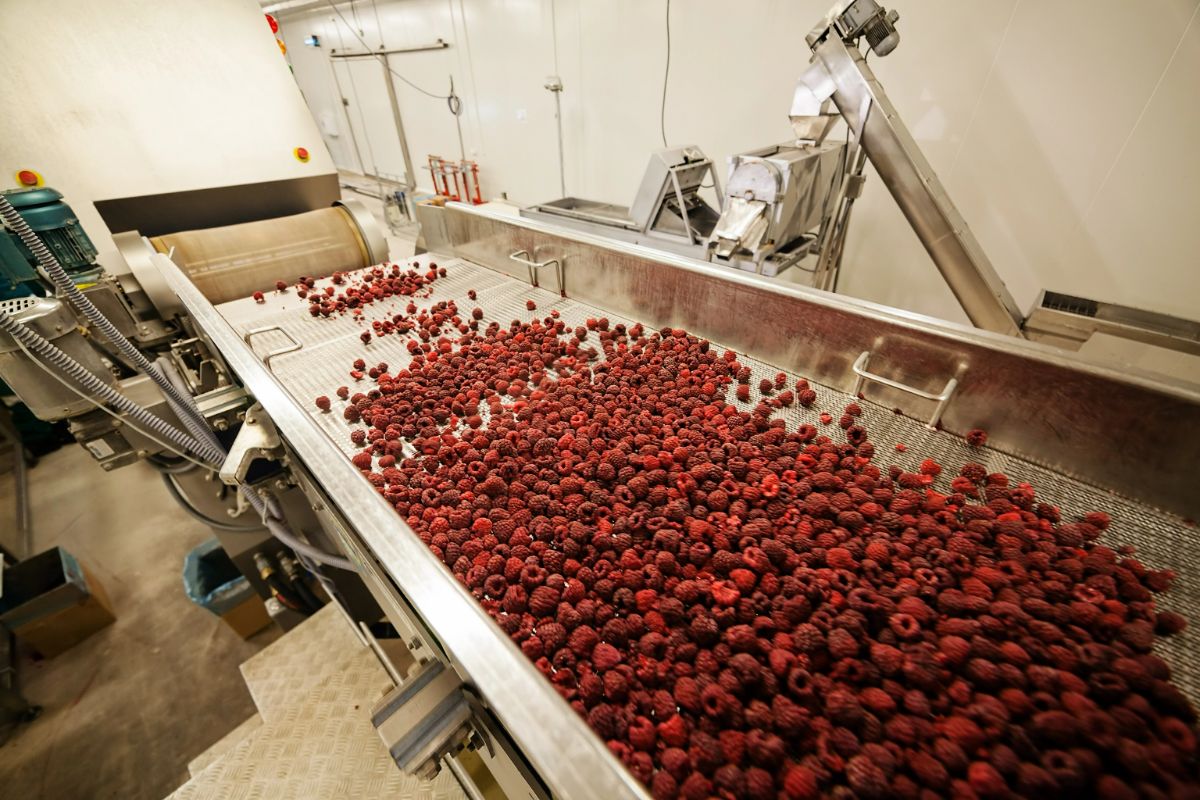
Conveyor belts can handle various tasks, from transporting raw materials to processing areas to moving products through different stages of production. They also streamline the delivery of finished goods to distribution points, ensuring a smooth, uninterrupted flow of materials throughout the production process. This versatility reduces delays and enhances overall productivity.
What sets these systems apart is their flexibility and customization options. They can be tailored with specific materials, widths, and configurations to meet the unique needs of different food processing operations.
Whether handling delicate produce or more robust items, these systems adapt seamlessly to varying food products and processing equipment.
Consistent Product Quality
Conveyor belts maintain consistent product quality by automating the movement of food items through various stages of production, ensuring each product is treated under the same conditions.
They operate at precise, consistent speeds, ensuring the products spend the same amount of time in each process. Many food processing conveyor systems are designed with temperature control features, such as refrigerated or heated sections, that maintain the proper conditions as products move along the line.
This ensures that food is kept at optimal temperatures, reducing the risk of spoilage, bacterial growth, or uneven cooking.
Increased Scalability
Conveyor belts’s modular design allows for easy adjustments and expansions, accommodating increased production volumes with minimal disruptions. It can also be integrated smoothly with automated processes for better operational efficiency and flexibility.
For example, a beverage production facility upgraded to a flexible conveyor system, which rapidly increased its production capacity during peak demand periods. This reconfiguration allowed the facility to handle seasonal fluctuations effectively, demonstrating how conveyor belts facilitate scalable and efficient production processes.
Key Takeaway
The advantages of conveyor belts are clear: they not only boost efficiency and safety but also offer the scalability needed to adapt to changing market demands.
At Industrial PH, we empower businesses with various engineering and manufacturing solutions, backed by years of experience. With our consultancy services for design, layout, and installation, we ensure that our systems align with your operational goals. Reach out to our team for more information.