Tips for Finding a Reliable Air Chiller
 September 4, 2024
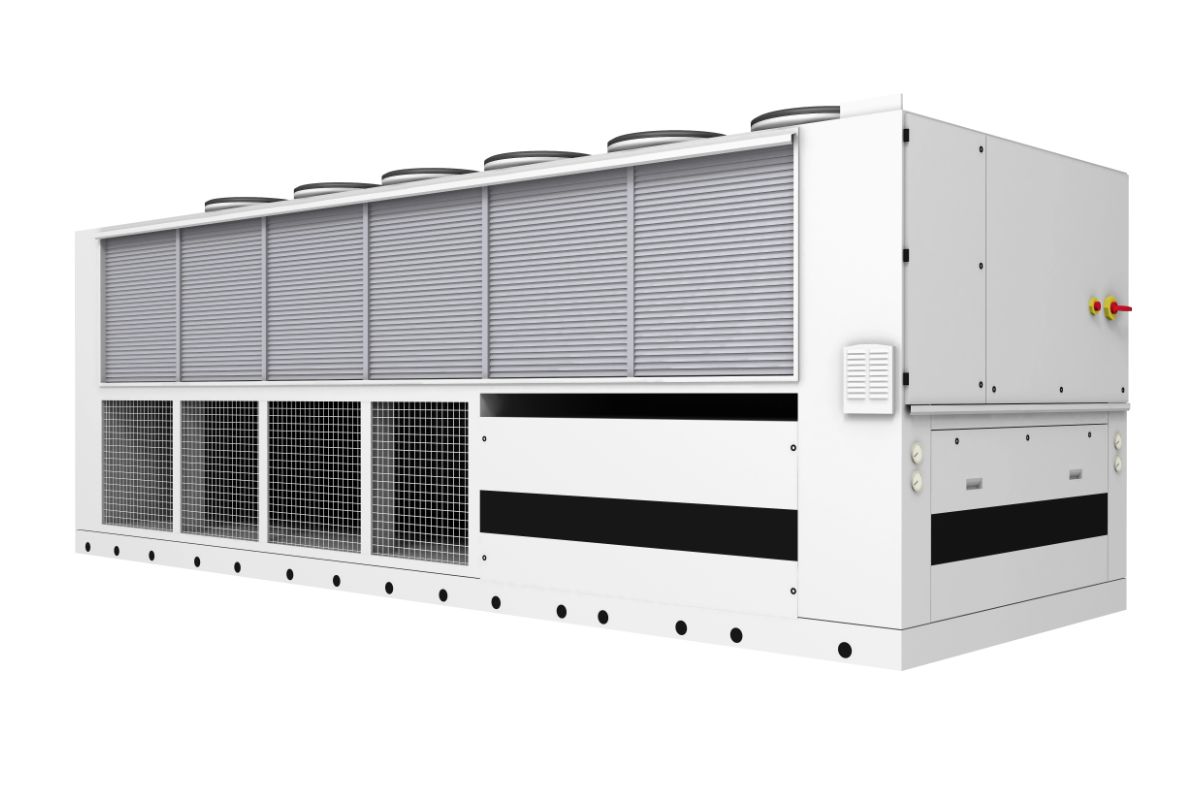
What are the tips for finding a reliable air chiller?
- Determine cooling requirements
- Identify the installation environment
- Select the right size
- Consider energy efficiency
- Choose the right control system
Overview
- A reliable air chiller is crucial for ensuring consistent and efficient cooling, particularly in warm climates or buildings with high heat loads.
- Some tips for finding one include determining your cooling requirements, identifying the installation environment, selecting the right size, considering energy efficiency, and choosing a chiller with a suitable control system.
- Following these tips will help you find a reliable air chiller that meets your specific needs, ensuring durability and consistent performance over time.
Finding a dependable air chiller is crucial for ensuring consistent and efficient cooling in industrial and commercial applications. With various models and features available on the market, selecting the right one can be challenging.
This guide provides tips for finding a reliable air chiller that meets your specific needs, offering long-term performance and cost-effectiveness. Read on to learn more.
Determine Cooling Requirements
It’s best to first determine your structure’s cooling requirements. This ensures the chiller you select has the appropriate capacity to handle the heat load generated by your operations or equipment.
Start by assessing your structure’s heat load to determine the cooling requirements. This involves evaluating the number of machines, their individual heat output, and any extra heat sources in your space. These can increase the overall heat load that your air chiller needs to remove.
By carefully considering one of these tips for finding a reliable air chiller, you’re guaranteed the one you choose is adequately equipped to meet your demands. A well-matched chiller will operate efficiently, minimizing energy consumption and reducing operational costs.
Identify the Installation Environment
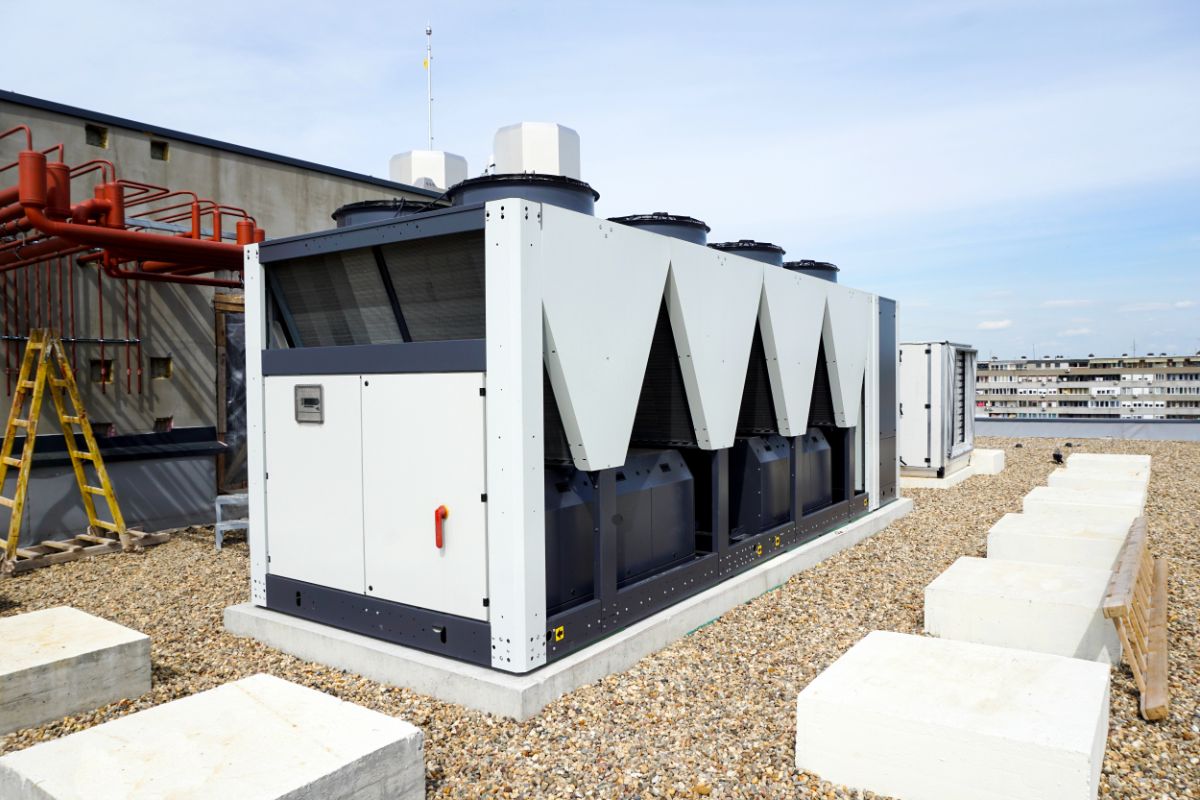
The next crucial step is to evaluate your installation environment. This helps you prepare the space and identify any necessary modifications, such as reinforcing the floor or upgrading the electrical system.
The environment also has a part in the reliability of your air chiller. Ambient temperatures can greatly affect the performance of chiller since they rely on surrounding air to dissipate heat. Higher temperatures can reduce heat transfer efficiency, impacting overall performance.
Furthermore, ensuring adequate airflow in the installation space is vital. While these chillers can be installed in smaller areas, sufficient air circulation is necessary for optimal operation. Proper airflow maintains performance and extends the lifespan and reliability of the chiller.
Select the Right Size
Selecting the right size chiller is vital for your operations. An undersized chiller may struggle to meet cooling demands, resulting in higher energy consumption and increased operational costs. Conversely, an oversized one can waste energy by cycling on and off too frequently, potentially reducing its lifespan.
For installations where the chiller must be placed indoors, proper sizing becomes even more important. The correct size ensures the chiller fits within the available space, remains accessible for routine maintenance, and receives the right ventilation to maintain optimal performance.
Consider Energy Efficiency
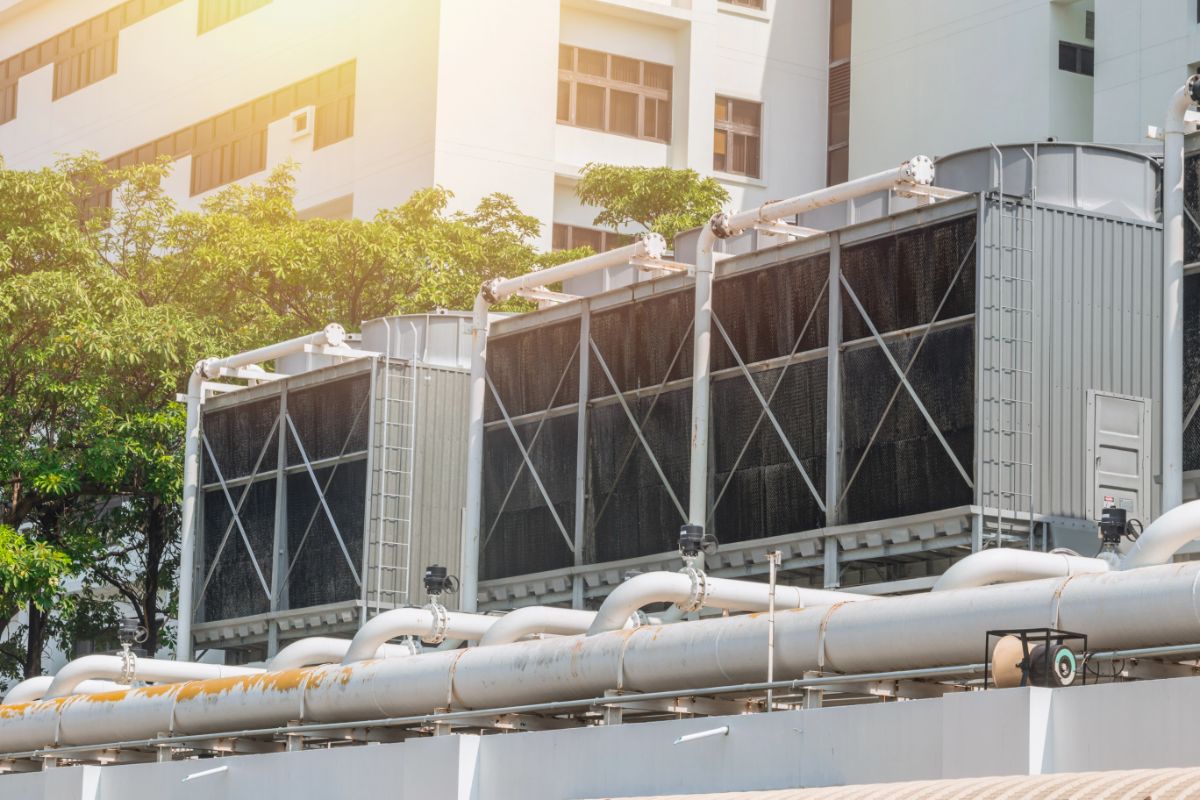
A high-quality chiller is inherently energy-efficient, using less energy while maintaining optimal cooling capacity. This lowers its carbon footprint and conserves natural resources, making it a more sustainable option, especially in regions with limited energy availability or high electricity costs. An energy-efficient chiller can contribute to more sustainable and environmentally friendly business operations.
By carefully matching their capacity to your specific requirements, you can avoid system overload and unnecessary energy consumption. This ensures the chiller operates at peak efficiency, reducing energy usage and operational costs. Additionally, it helps ensure compliance with energy regulations.
Choose the Right Control System
Before committing to an air chiller, it is essential to evaluate its control system. A well-designed control system ensures that the chiller operates within optimal parameters.
The control system of an air chiller regulates crucial factors such as temperature output, pressure, and flow rates, all of which contribute to efficient cooling. Modern control systems often include advanced features like monitoring capabilities and safety alarms for high temperatures or pressure.
These features not only help prevent hazardous situations but also protect the chiller from operating outside its safe limits, thereby extending its lifespan and reducing the risk of catastrophic failures. Investing in a chiller with a reliable control system enhances its overall efficiency, safety, and longevity.
Key Takeaway
These tips for finding a reliable air chiller ensure that the equipment you choose is well-suited to meet both your specific needs and the demands of your operations, all while remaining dependable and long-lasting.
Experience peak performance with Industrial PH’s air chillers. As the leading supplier, we offer reliable solutions for your diverse cooling requirements. Our team of highly skilled and experienced team can ensure that you receive expert guidance and support throughout the entire process, from installation to maintenance. Contact us today to learn more.