5 Signs It’s Time to Upgrade Your Industrial Wall Systems
 February 28, 2026
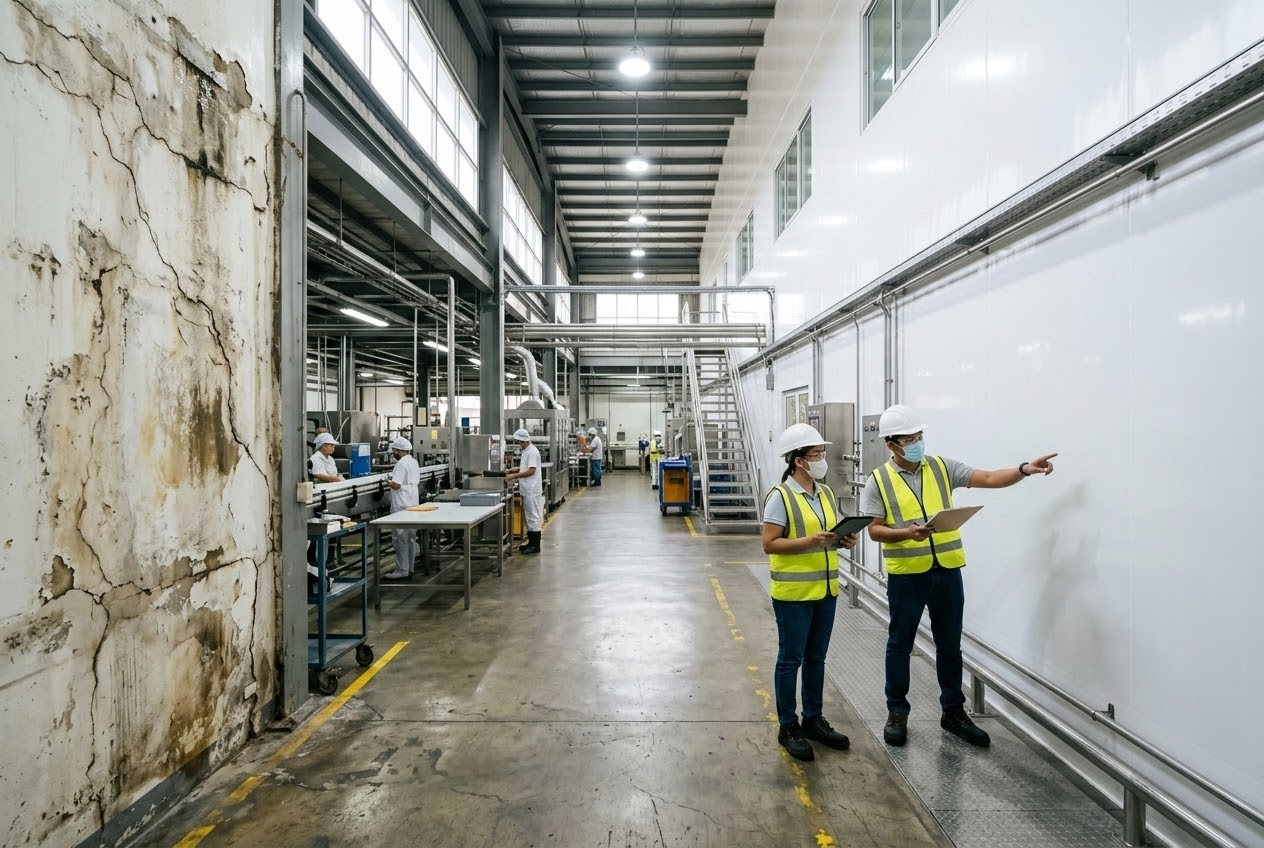
What are the signs that it’s time to upgrade your industrial wall systems?
- Visible structural deterioration
- Persistent water leaks or moisture buildup
- Recurring or escalating repair needs
- Rising energy costs or poor thermal performance
- Reduced ability to support intended loads
Overview
- Visible damage, persistent moisture, and recurring repairs signal that industrial wall systems may no longer provide safe, reliable performance, requiring timely upgrades.
- Poor thermal performance or load-bearing limitations can drive higher energy costs, compromise operational efficiency, and create safety hazards for workers and equipment.
- Prioritizing critical areas and choosing durable materials like FRP panels ensures long-term structural integrity, compliance, and reduced maintenance for industrial facilities.
Industrial facilities depend on the integrity of their wall systems, which constantly face moisture, chemical exposure, and heavy daily use. When those systems begin to show signs of weakening or instability, operations can slow down, creating higher repair and maintenance costs over time.
This is especially critical for facilities in the Philippines, where the hot, humid climate, combined with continuous wall stress, can accelerate structural degradation and compromise operational efficiency.
To stay ahead of these risks, here are easy-to-spot signs to upgrade industrial wall systems, helping you make informed decisions about when upgrades or reinforcements are necessary.
Visible Structural Deterioration
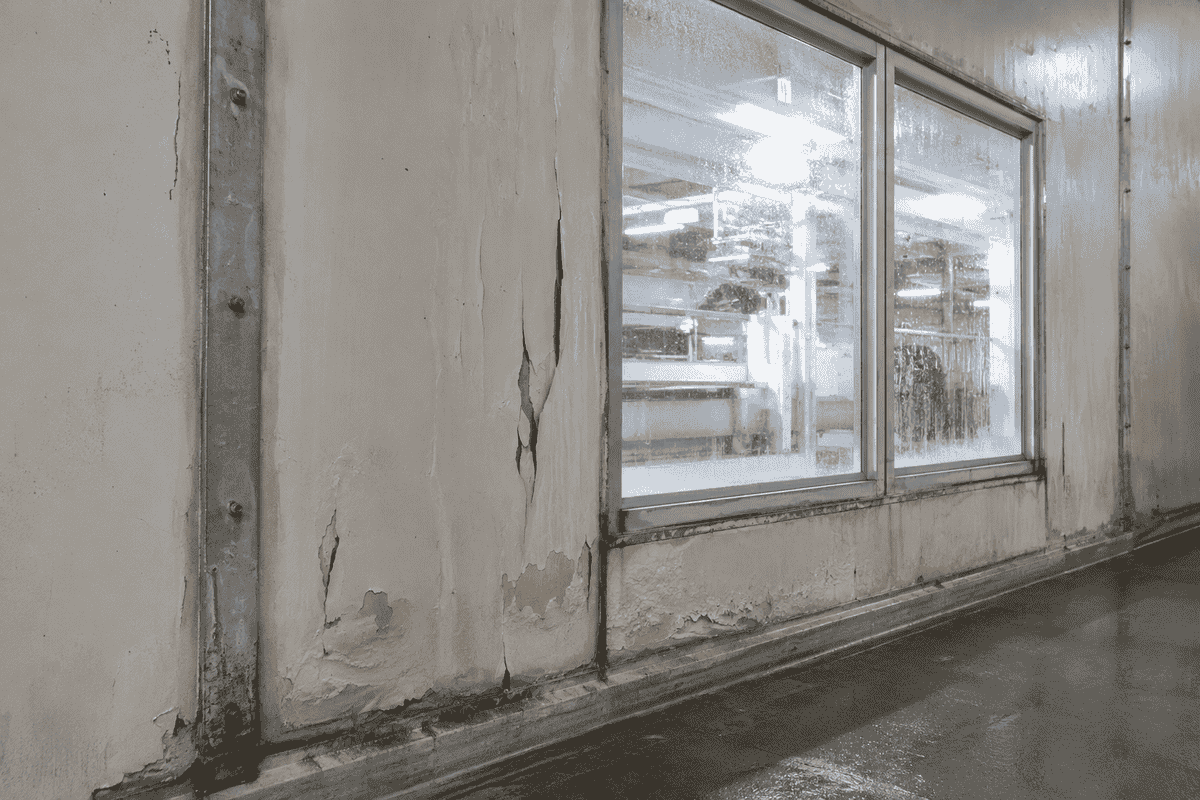 Cracks, warping, peeling paint, or other visible damage often signal that wall systems are losing strength. In the humid Philippine climate, moisture can worsen these issues, increasing the risk to employees, equipment, and operations. Over time, ignoring these issues can put employees and equipment at risk while increasing long-term repair costs.
Key structural indicators that signal it’s time for reinforcement include:
- Cracks, spalling, or delamination: Small flaws can propagate, compromising containment and stability.
- Corrosion on metal studs or frames: In corrosive or high-humidity areas, metal supports may weaken, leading to potential collapses or maintenance outages.
- Bulging or misaligned panels: Distorted walls reduce usable space, hinder access points, and indicate underlying fastening and load failures.
Persistent Water Leaks or Moisture Buildup
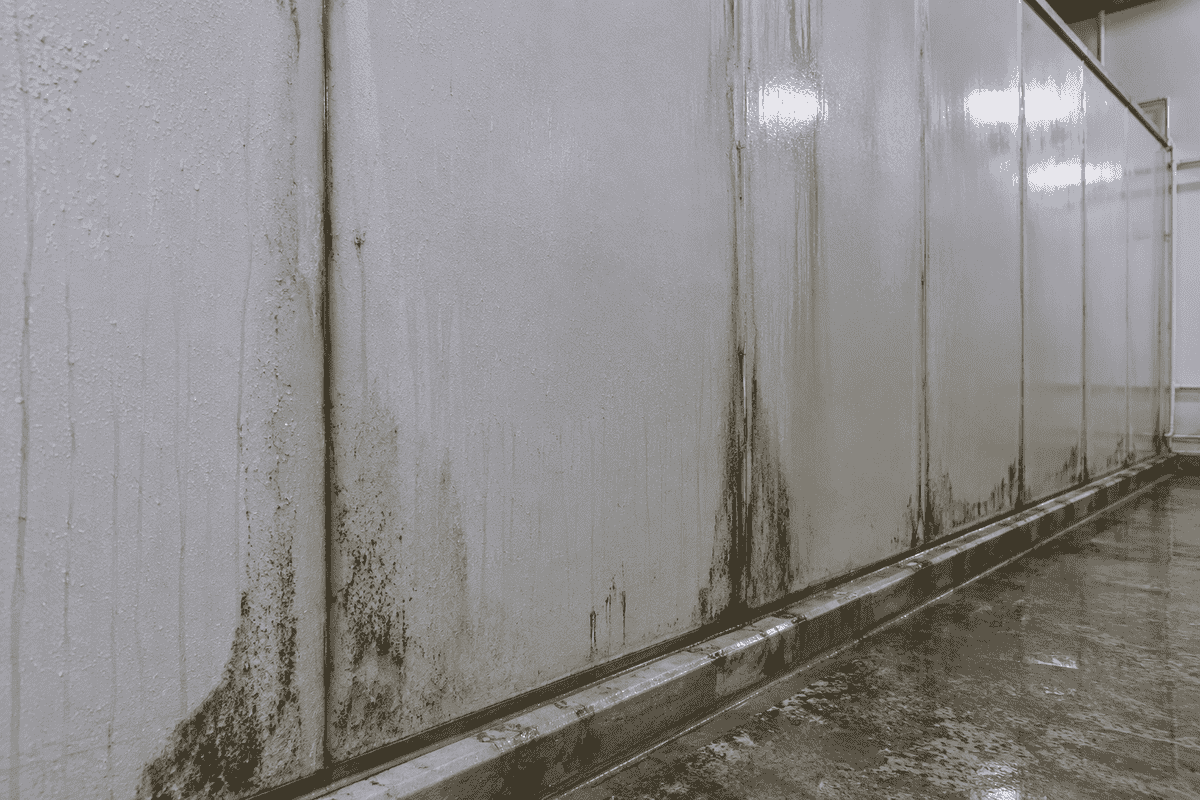
Walls that are experiencing persistent water intrusion are at higher risk of structural and health issues. In the Philippines, where heavy rains and typhoons are common, walls that are not adequately sealed can allow moisture to penetrate, leading to mold growth, structural damage, and reduced insulation performance.
Watch for signs such as:
- Chronic leaks from walls or ceilings: Continuous moisture undermines insulation, accelerates corrosion, and creates slip hazards.
- Condensation in cold or refrigerated zones: Excess moisture adds energy load and promotes microbial growth.
- Rising damp behind panels: Indicates failed vapor barriers or sealing in façade interfaces.
- Mold or mildew growth: Presents a health hazard that requires remediation and can affect worker well-being and productivity.
Recurring or Escalating Repair Needs
If your facility is experiencing frequent wall repairs, it may indicate that the current wall materials are no longer in good condition. Recurring issues not only increase maintenance costs but also disrupt workflows that reduce operational efficiency over time. Monitoring repair patterns can help you determine whether investing in a new wall system is more cost-effective.
Indicators that warrant wall upgrades include:
- Frequent panel replacements: Regular patchwork interrupts operations and signals unresolved root causes.
- Recurring fastening or hinge failures: Loose or failed fasteners compromise safety around doors, equipment, and mezzanines.
- High maintenance costs: When upkeep exceeds predictable budgets, a more durable solution may prove cost-effective.
- Downtime for repairs: Operational interruptions reduce throughput and can affect customer commitments.
Rising Energy Costs or Poor Thermal Performance
Walls that are failing to provide adequate insulation can drive up energy costs and affect environmental control. In industrial facilities, poor thermal performance forces HVAC systems to work harder, particularly in the Philippines’ tropical climate, increasing energy bills and reducing overall efficiency. Proactively upgrading wall systems can help mitigate these challenges.
Key signs include:
- Insufficient insulation: Poor thermal performance increases cooling loads and electricity bills.
- Temperature inconsistencies across zones: Uneven conditions affect product quality and process control.
- HVAC strain near walls: Frequent compressor cycling and uneven air distribution indicate that the walls are allowing too much heat transfer, forcing the HVAC system to work harder.
- Heat transfer through walls: High surface temperatures suggest inadequate insulation or material performance.
Reduced Ability to Support Intended Loads
Industrial walls must safely support specific loads, including equipment, shelving, and other operational fixtures. When walls are no longer able to bear these loads effectively, it can create safety hazards and limit operational flexibility. Upgrading walls ensures compliance and protects workers while supporting current facility demands.
Load-related warning signs that indicate upgrades include:
- Insufficient impact resistance: High-traffic areas require walls that resist impacts, collisions, and heavy equipment.
- Inadequate fire or chemical resistance: Wall assemblies must meet current safety standards to protect workers.
- Insufficient acoustic performance: Facilities requiring noise control may need upgraded assemblies for proper sound attenuation.
- Load-bearing limitations: Shelving, mezzanines, or mounted equipment exceeding wall capacity pose serious hazards.
How to Prioritize Upgrades Across Your Facility
Understanding the different signs to upgrade your industrial wall systems also involves evaluating how to approach those upgrades effectively. By focusing on areas showing the most pressing issues, such as visible deterioration, moisture problems, or frequent repairs, you can determine where improvements will have the greatest operational impact. Assessing these zones carefully allows you to allocate resources efficiently while addressing the most critical needs first.
Some approaches to consider include:
- Assess facility-wide risks in high-traffic or critical areas.
- Align upgrades with applicable building codes, fire safety rules, and facility performance requirements
- Weigh the total cost of ownership against long-term savings.
- Phase upgrades to limit operational disruption.
- Engage stakeholders early to ensure alignment and support.
Finally, selecting the right wall materials can maximize the effectiveness of your upgrades. Fiber-reinforced polymer (FRP) panels, for example, offer superior water and chemical resistance, easy cleaning, and long-term durability in wet, corrosive, or high-traffic environments.
Upgrade Your Facility with Industrial PH’s FRP Panels
For facilities looking to strengthen their wall systems, we at Industrial PH provide high-quality Fiberglass Reinforced Plastic (FRP) panels. Designed for industrial environments, our panels offer superior resistance to moisture, chemicals, and heavy daily use, ensuring long-term durability and operational reliability. Our composite panels also support thermal efficiency and easy maintenance, helping facilities reduce energy costs and improve workplace safety.
With Industrial PH, upgrading your walls becomes a practical step toward improved efficiency, compliance, and protection for both employees and equipment. Our team is ready to guide you through selecting, installing, and maintaining FRP panels that fit the demands of Philippine industrial environments.
Key Takeaway
Recognizing the signs that your industrial wall systems need an upgrade goes beyond preservation; it also presents an opportunity to enhance your facility’s efficiency, safety, and long-term performance.
Maintain safety and efficiency with Industrial PH’s durable wall systems for industrial facilities. Our solutions are designed to enhance performance, protect infrastructure, and reduce downtime. Contact us today to discuss upgrading your industrial wall systems.