How Modern Fire Detection Systems Are Improving Safety Across the Philippines
 May 9, 2026
How are modern fire detection systems improving safety across the Philippines?
- Precise threat localization
- Building automation
- Internet of Things (IoT) and mobile alerts
- Seamless CCTV integration
- Suppression interlocks
Overview
- Modern fire detection systems in the Philippines have evolved beyond basic alarms.
- Utilizing advanced Fire Detection and Alarm Systems (FDAS), they leverage unique device tracking for precise threat localization, building automation, IoT mobile alerts, CCTV integration, and suppression interlocks.
- These smart technologies ensure faster response times, proactive containment, and enhanced facility safety.
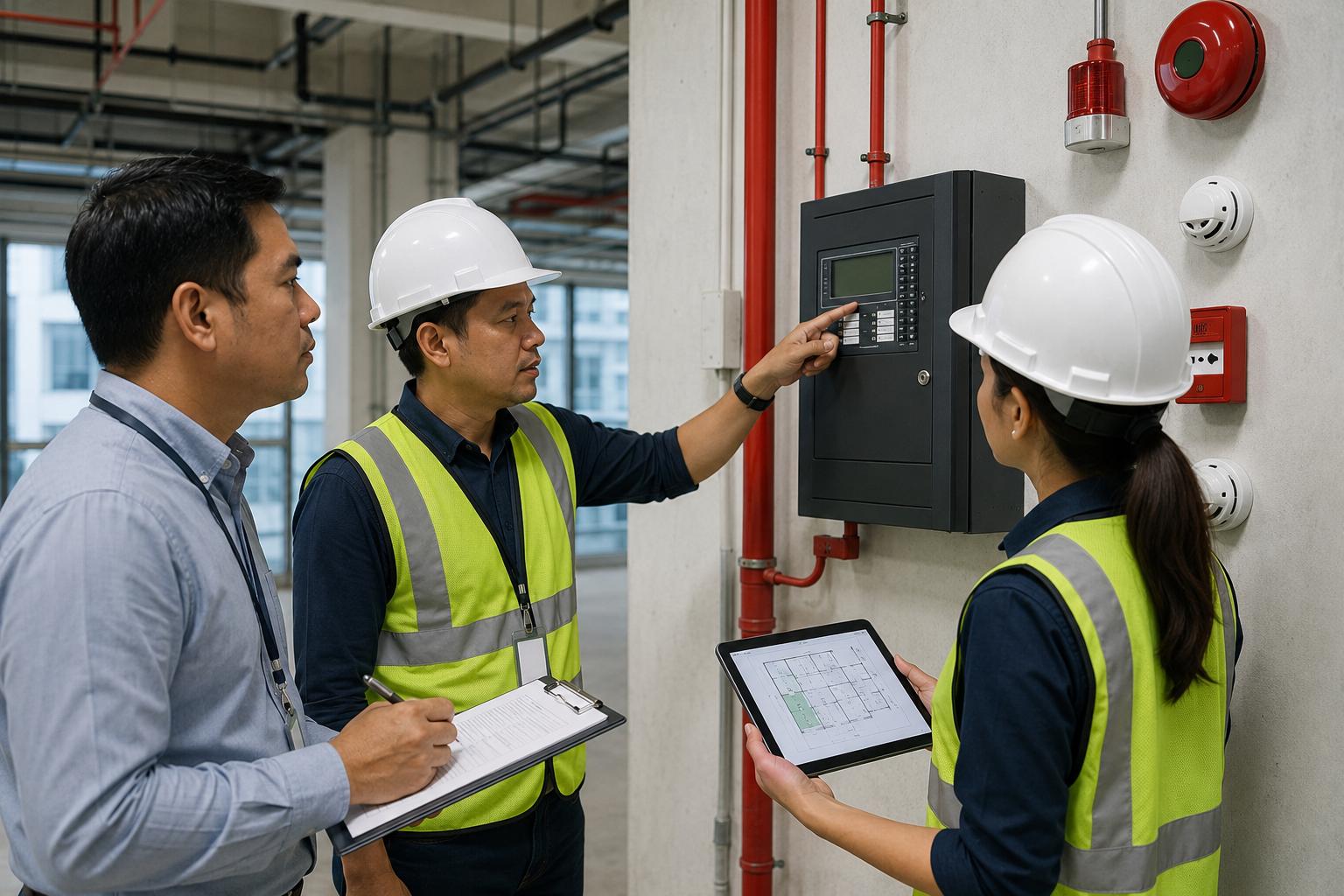
A fire can escalate within seconds, turning a small ignition point into a severe threat to people, property, and business operations. In the past, fire protection tools primarily focused on sounding alarms after smoke or heat reached a detector. While these solutions remain essential, several organizations now call for faster, smarter, and more connected solutions that can determine risks earlier.
In this article, we explore how modern fire detection systems are improving safety across the Philippines
Precise Threat Localization
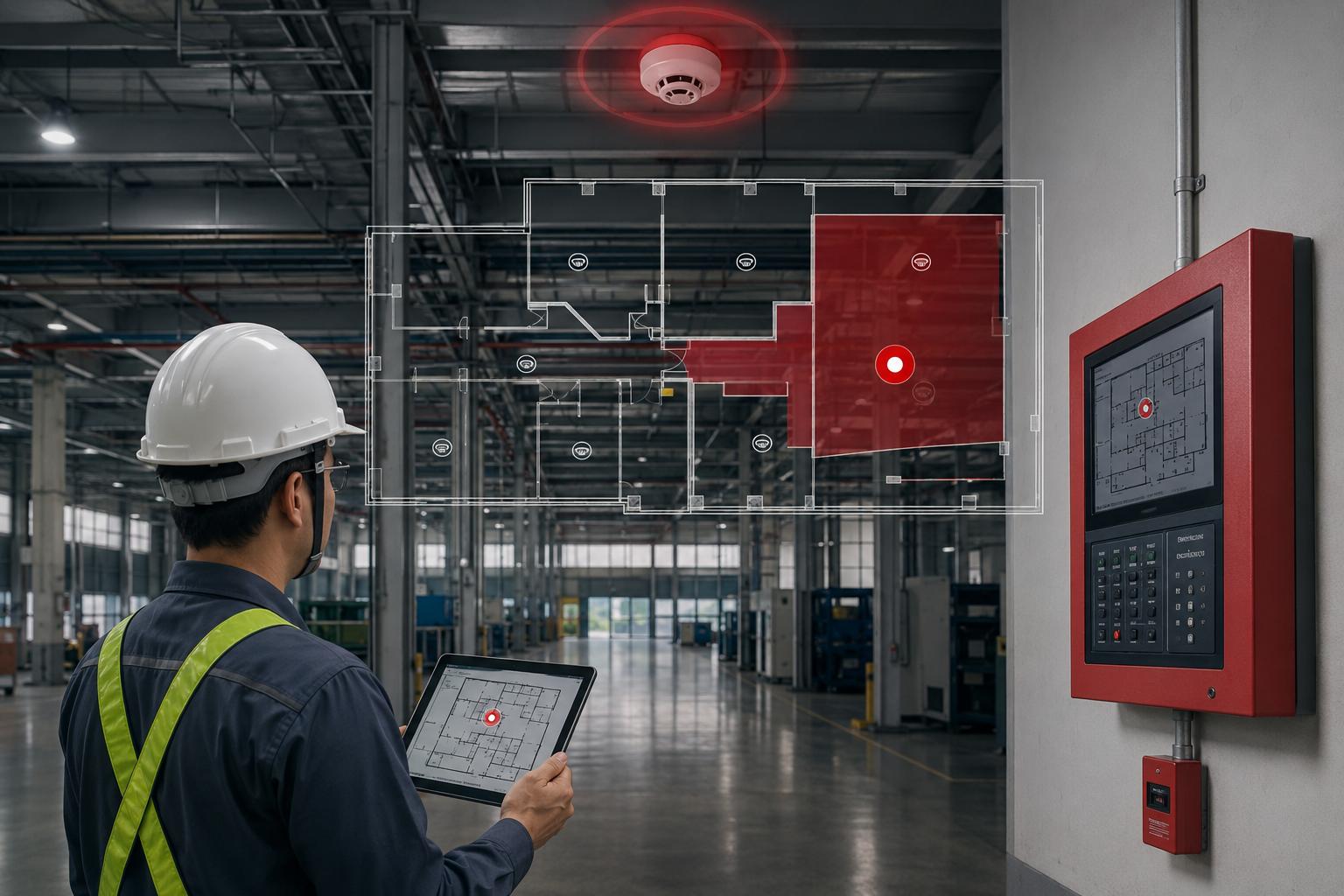
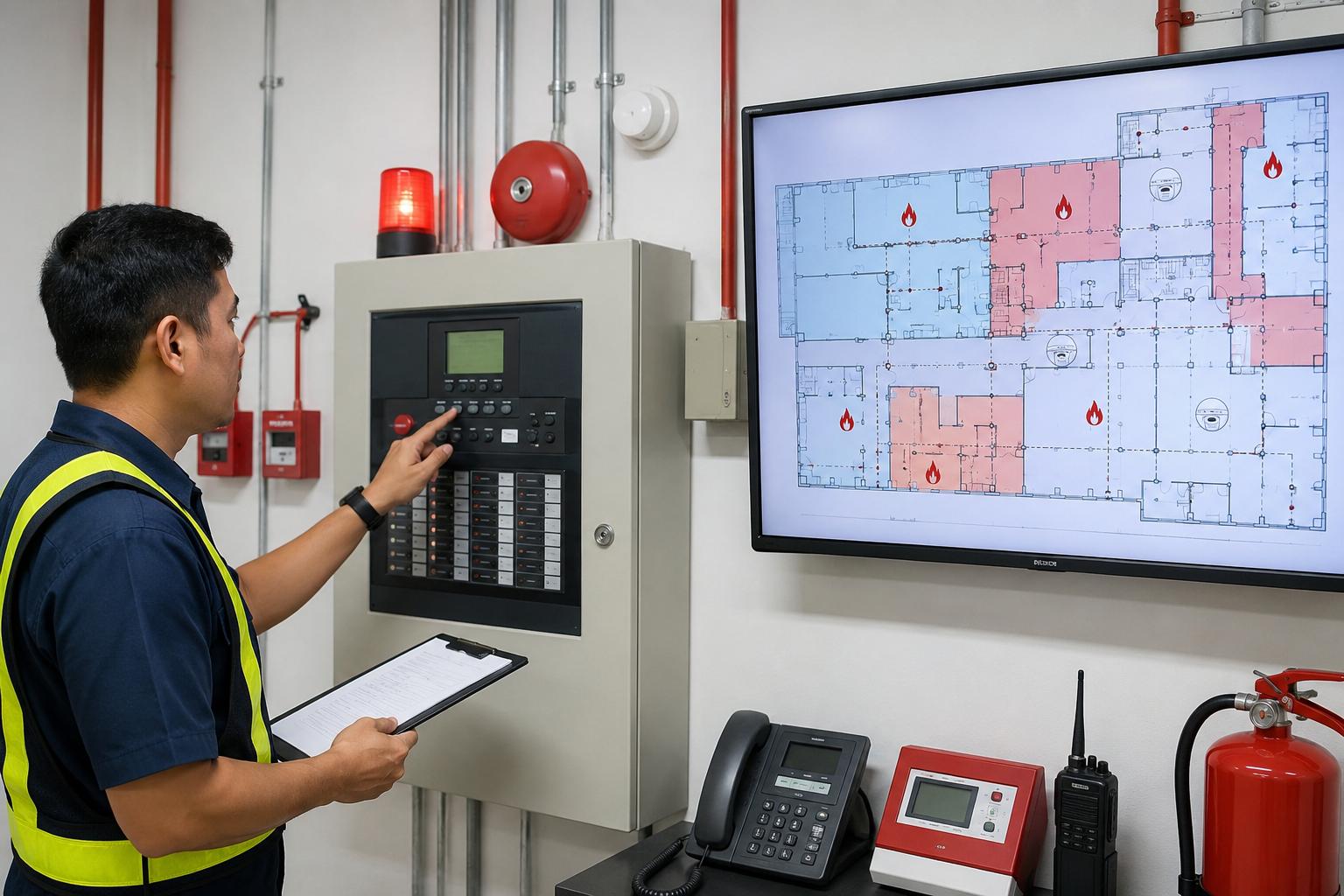
Fire alarms improve safety by helping facility teams promptly identify the precise location of a potential fire, rather than manually searching different parts of the establishment. Every device in the system can communicate specific details to the fire alarm control panel, enabling responders to determine the threat’s origin.
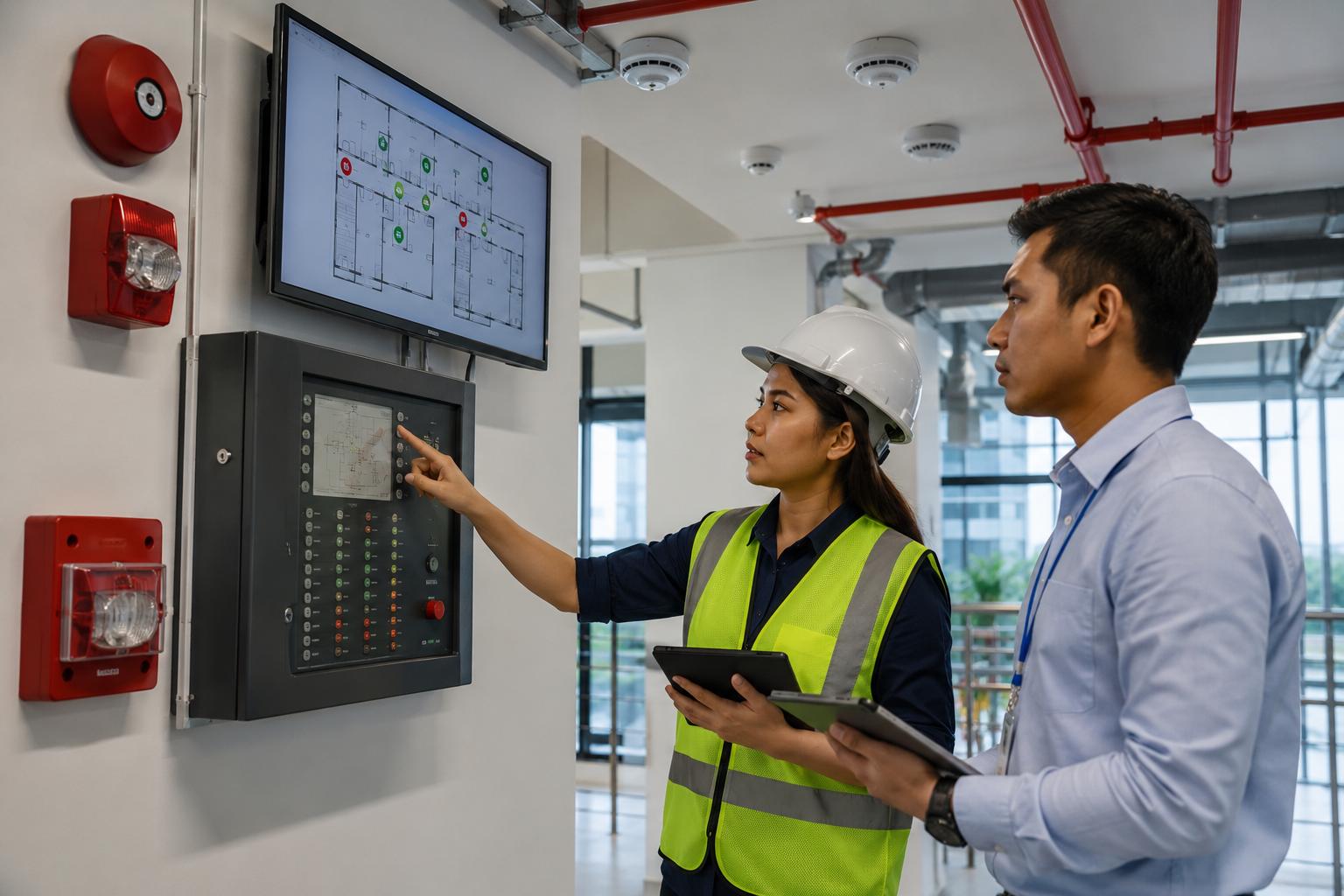
This works by assigning unique addresses to individual detectors. Meaning specific devices can detect smoke, heat, or other signs of fire. Once activated, the control panel displays the exact location of the triggered detector, providing authorities with clear information about where to investigate and respond.
For large facilities like manufacturing plants and commercial buildings, this precision prompts emergency responses and prevents small fires from growing into bigger risks.
Building Automation
Rather than serving as an isolated notification, an advanced alert device can communicate with the building automation system to trigger safety actions when a fire event is detected. For instance, the system may automatically signal HVAC controls to handle airflow, activate emergency measures, release access controls, or notify designated officers.
This automation is valuable in big facilities where manual response may take longer. By reducing reliance on conventional interventions, these advancements enable structures to respond immediately while helping occupants and emergency teams manage fire situations more proactively.
Internet of Things (IoT) and Mobile Alerts
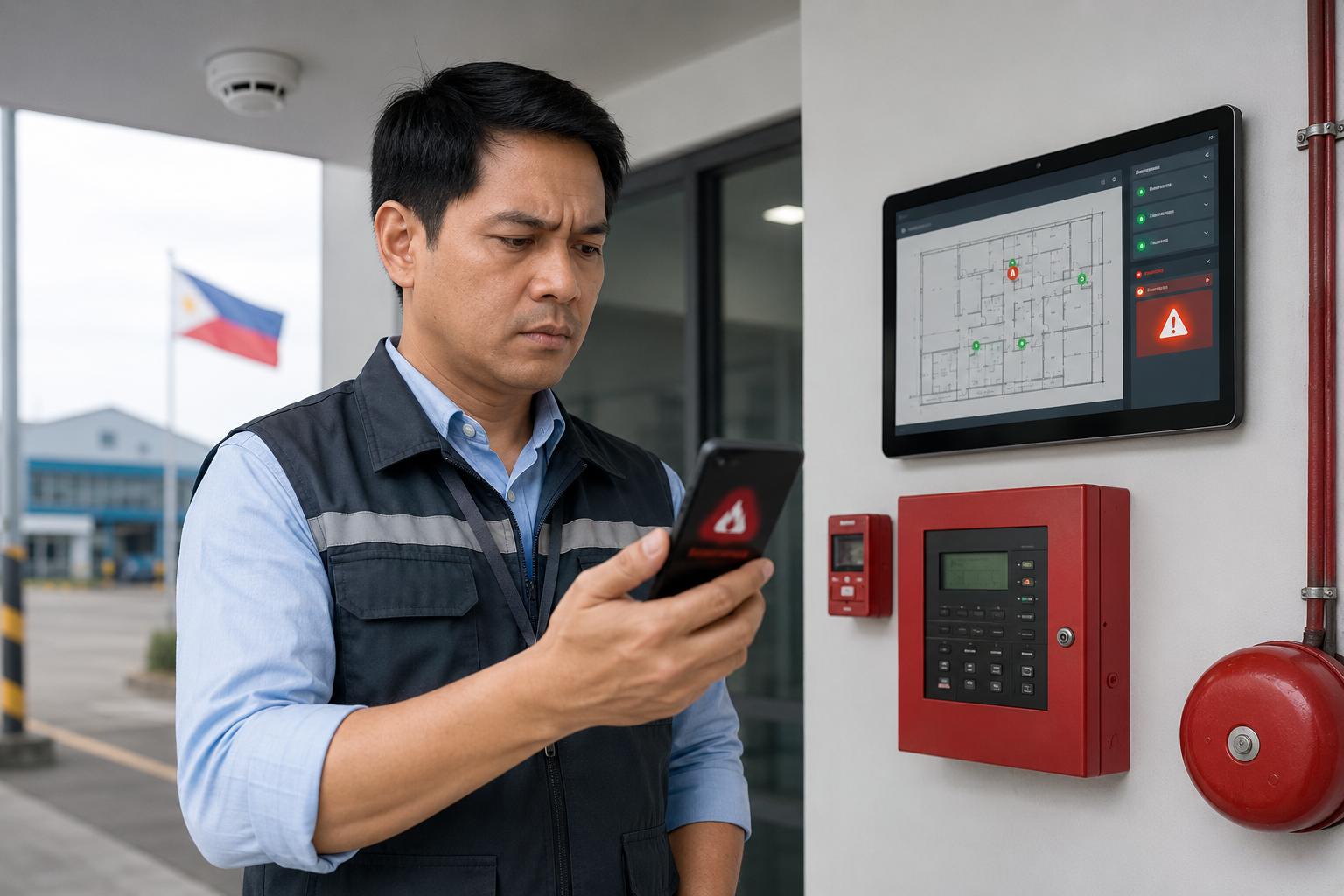
The Internet of Things (IoT) is the interconnection of physical devices via a digital network that aims to collect, share, and exchange information in real time. In fire detection, IoT connects fire alarms, control panels, monitoring channels, and mobile devices so that critical safety information can be accessed beyond the facility’s physical location.
Through this connectivity, fire detection devices can regularly track conditions and send data to centralized platforms. When a detector detects indicators of fire, such as smoke or abnormal temperature shifts, the system quickly transmits the information to connected devices and authorized officers. Facility managers can then receive instant notifications via mobile applications, email, or monitoring dashboards, allowing them to assess the situation even when they are not on-site.
Seamless CCTV Integration
When a fire alarm activates, integrated CCTV devices can help security teams visually verify the affected area. This allows them to determine whether the alarm is caused by an actual fire, environmental conditions, or another issue requiring investigation.
In this regard, rather than relying solely on alarm signals, security and safety personnel can quickly assess the situation, identify hazards, and coordinate prompt actions. CCTV integration also supports post-incident analysis by providing significant information about how a fire began and how the response was handled.
Suppression Interlocks
Through suppression interlocks, contemporary fire alarms can automatically communicate with suppression systems and initiate protective actions when a fire event is detected. For example, once a fire alarm detects a confirmed threat, it may activate connected suppression mechanisms, shut down equipment, or control facility systems to limit the spread of fire. This is especially vital in environments where rapid containment is critical, such as manufacturing, electrical, server, and industrial facilities.
Get Reliable Fire Detection Solutions from Industrial PH Today!
Safeguarding a structure requires more than installing basic alarms; it calls for a fire detection solution designed around the building’s actual risks, operations, and safety compliance. Industrial PH offers quality and contemporary Fire Detection and Alarm Systems (FDAS) to help organizations improve early detection and emergency response.
Through these solutions, various entities can strengthen their preparedness with FDAS that support accurate monitoring, faster alerts, and optimal performance. With the right fire prevention partner, you can create safer environments while protecting your people, assets, and continuity of operations.
Key Takeaway
This is the advantage of understanding how modern fire detection systems improve safety across the Philippines—that fire protection is no longer limited to simply sounding an alarm. Through precise threat localization, automation, IoT connectivity, CCTV integration, and suppression coordination, FDAS delivers faster detection, better visibility, and more adequate responses.
Industrial PH offers high-quality Fire Detection and Alarm Systems (FDAS) designed to meet the safety needs of various facilities across the country. With solutions tailored to different building environments, we support businesses to improve fire preparedness through reliable technology, professional expertise, and comprehensive support. Reach out to us today to learn more!