Benefits of Food Processing
 January 27, 2023

What are the benefits of food processing?
- Increases Food Safety
- Enhances Nutritional Value
- Reduces Food Waste
- Improves Food Quality
- Increases Access to Food
- Creates Jobs
Food processing has become an essential part of the food industry, as it allows for the preservation, enhancement, and production of various food products. The processing of food has been around for thousands of years, but it wasn’t until recent advancements in technology that it became possible to process food on a large scale. The benefits of food processing are numerous and range from increasing food safety to reducing waste and improving the overall quality of the food. In this blog post, we will take a closer look at some of the key benefits of food processing.
What is Food Processing?
Food processing is the transformation of raw ingredients into food, or of food into other forms, using various physical, chemical, or biological methods. Food processing includes a range of techniques and methods, including preserving, preparing, packaging, and distributing food products. The goal of food processing is to enhance the safety, quality, and nutritional value of food, and to increase its shelf life and convenience for consumers.
Some common examples of food processing include canning, refrigeration, freezing, dehydration, pasteurization, fortification, and blending. These techniques help to preserve food, improve its taste and texture, and increase its nutritional value. Additionally, food processing also helps to create new and innovative food products, such as snacks, ready-to-eat meals, and convenience foods.
Food processing has become an important part of the food industry, as it allows for the production of food products that are safe, convenient, and accessible to consumers. Additionally, food processing also helps to reduce food waste, increase food security, and create job opportunities in the food industry.
Increases Food Safety
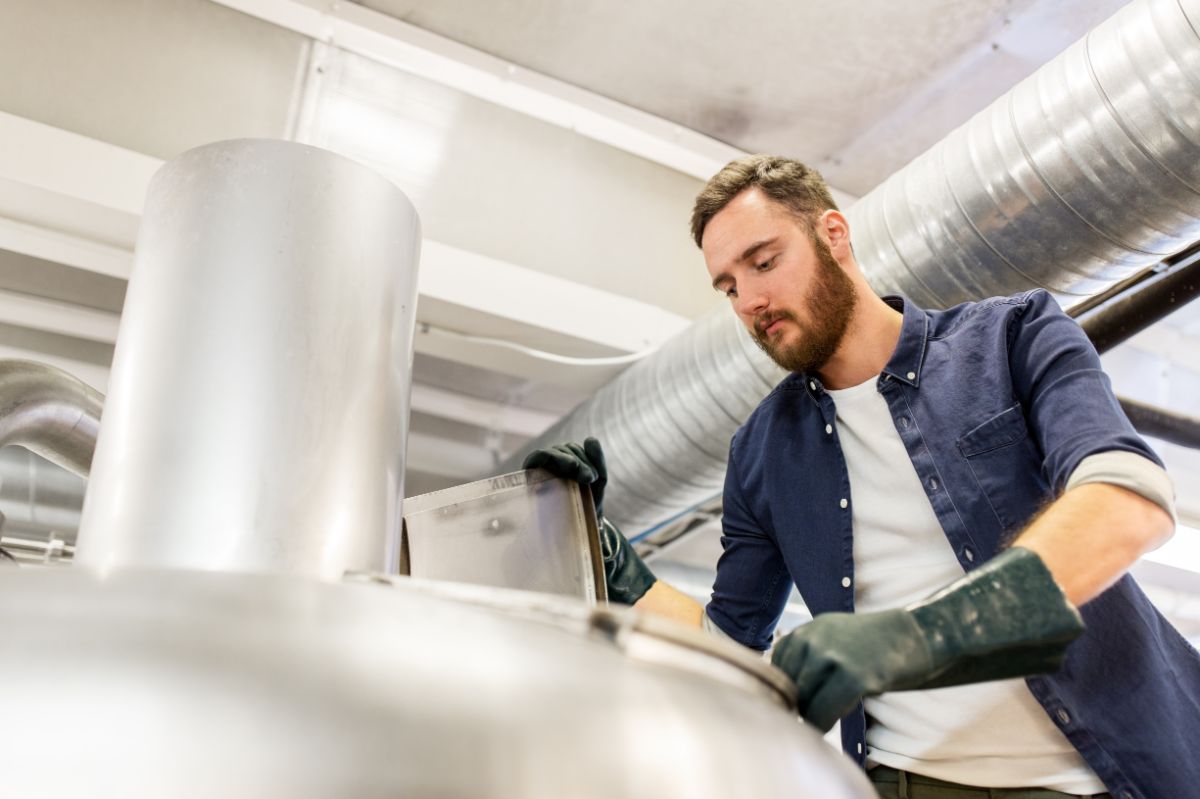
One of the primary benefits of food processing is that it helps to increase the safety of the food we eat. Food processing helps to eliminate or reduce the presence of harmful bacteria, parasites, and viruses that can cause foodborne illness. For example, pasteurization is a process used to kill bacteria in milk, which helps to prevent the spread of foodborne illnesses such as Salmonella and E. coli. In addition, food processing can also help to remove allergens and other harmful substances from food.
Enhances Nutritional Value
Another benefit of food processing is that it can enhance the nutritional value of food. This is because food processing techniques can be used to remove harmful substances and retain important nutrients. For example, fortification is a process used to add essential vitamins and minerals to food products, such as adding iron to flour or folic acid to cereal. This helps to improve the overall nutritional content of the food and helps to prevent deficiencies in essential nutrients.
Reduces Food Waste

Food processing also helps to reduce food waste. By preserving food, it can be stored for longer periods of time and reduces the risk of spoilage and waste. This is particularly important in areas where food is scarce and where waste can have a significant impact on the environment. Additionally, food processing can also help to reduce food waste by making it possible to use surplus or unsold food items for other products, such as animal feed or compost.
Improves Food Quality
Food processing can also help to improve the quality of the food we eat. For example, the addition of preservatives can help to extend the shelf life of food and prevent spoilage. In addition, food processing techniques such as blending and grinding can be used to produce new and improved food products with a more appealing taste, texture, and appearance.
Increases Access to Food
Food processing also helps to increase access to food, particularly in developing countries. By preserving food, it can be transported to remote areas and distributed to those in need. This is particularly important in areas where food is scarce and where access to fresh food is limited. Additionally, food processing can also help to increase access to food by reducing the cost of production and making it possible to produce food products that are more affordable for those with limited resources.
Creates Jobs

Finally, food processing can also help to create jobs. As the demand for food products increases, so does the demand for those who are trained in food processing techniques. This creates new job opportunities for those who are interested in working in the food industry and helps to boost local economies.
Key Takeaway
There are many benefits of food processing as seen in this article. The process is an essential part of the food industry, as it provides numerous benefits to both consumers and producers. By increasing food safety, enhancing nutritional value, reducing food waste, improving food quality, increasing access to food, and creating jobs, food processing plays a critical role in ensuring that the world has access to a safe and healthy food supply.
As a part of engineering solutions, Industrial PH can provide you with efficient food and beverage solutions. Contact us here today to get started.