5 Tips for Maintaining Industrial Pipes
 June 29, 2023
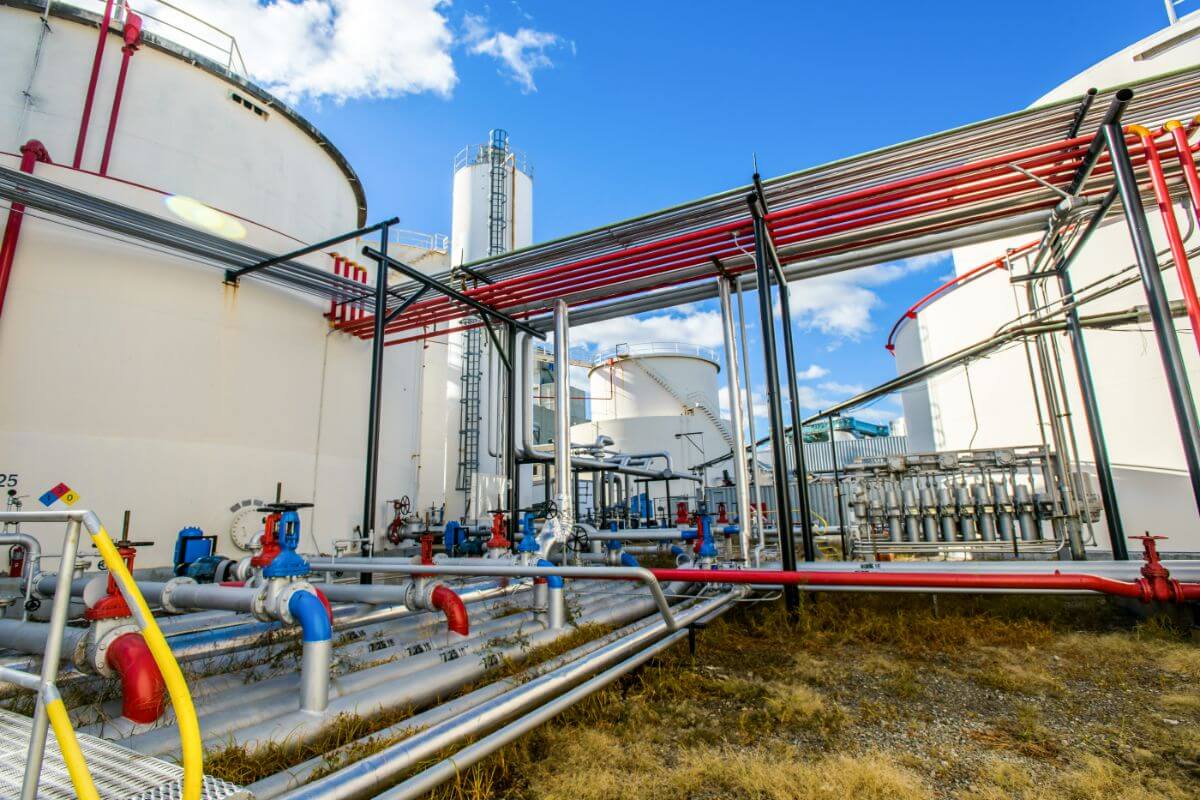
What are some of the tips for maintaining industrial pipes?
- Implement a preventive maintenance plan
- Utilize protective coatings
- Prioritize regular cleaning
- Monitor and control water quality
- Train and educate staff
Industrial pipes play a vital role in the smooth operation of diverse manufacturing processes across various industries. These indispensable conduits facilitate the efficient transportation of fluids, gases, and crucial materials, contributing to the overall productivity of industrial operations.
However, to ensure optimal functionality and avoid costly repairs, regular maintenance of industrial pipes is imperative. While pipe maintenance may initially appear complex, this article presents five essential tips for effectively maintaining industrial pipes. By familiarizing yourself with these key principles, you will realize that pipe maintenance is a manageable task. Through a detailed exploration of these guidelines, you will gain a deeper understanding and the confidence to successfully maintain these critical components of industrial infrastructure.
Implement a Preventive Maintenance Plan
When it comes to industrial pipes, it is imperative to establish a proactive approach through the implementation of a comprehensive preventive maintenance plan. This plan serves as a crucial first step in ensuring the longevity and optimal performance of industrial pipe systems across various industries.
A preventive maintenance plan involves regular inspections, cleaning, and repairs to identify and address potential issues before they escalate into major problems. Visual inspections should be conducted at regular intervals to detect any signs of corrosion, leaks, or structural damage. Special attention should be given to vulnerable areas such as joints, connections, and supports, which are prone to wear and potential failure.
To effectively implement a preventive maintenance plan, it is recommended to keep detailed records of maintenance activities, including inspection reports, cleaning schedules, and repair records. These records serve as valuable references for tracking maintenance history, identifying recurring problems, and planning future maintenance tasks.
Utilize Protective Coatings
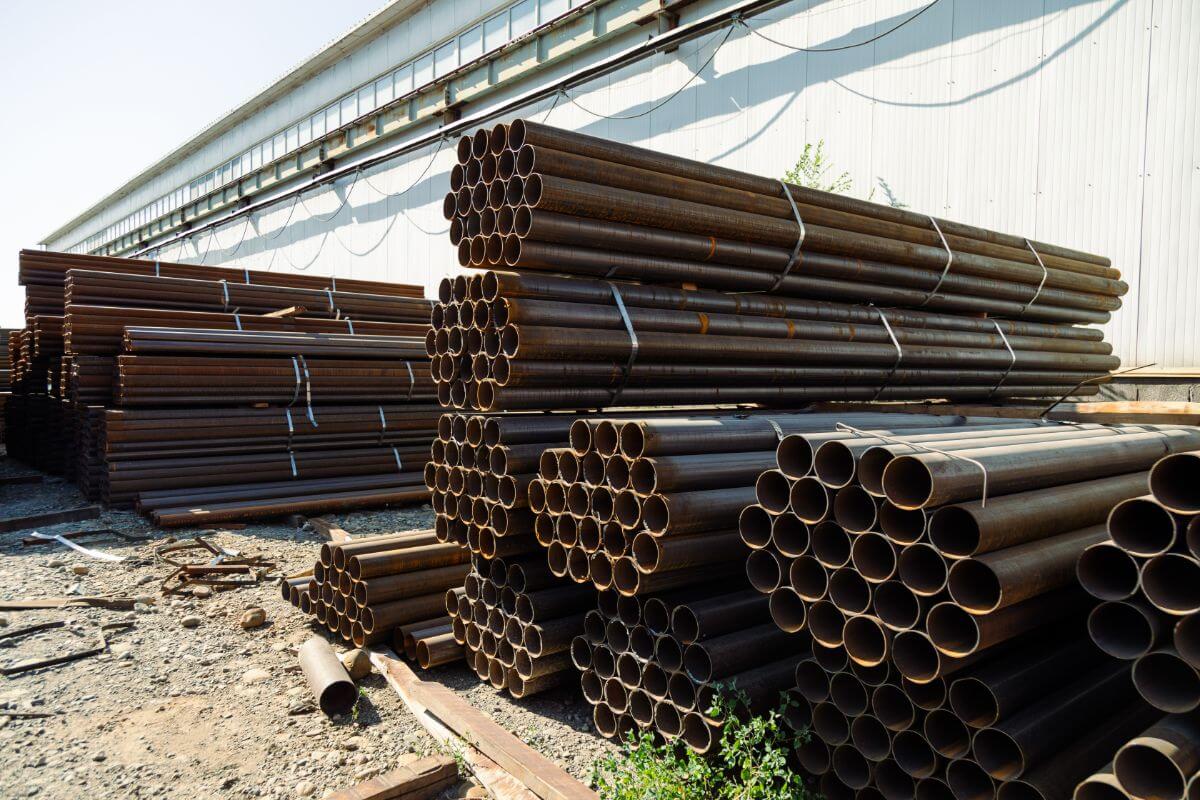
Industrial pipes face challenging conditions, including exposure to corrosive chemicals, moisture, and extreme temperatures. To enhance their durability and resistance to corrosion, applying protective coatings is crucial. Consider the following coatings for industrial pipes:
- Fusion-Bonded Epoxy (FBE): FBE coatings create a durable barrier against corrosion, erosion, and chemical attacks. They are particularly suitable for underground pipelines and offshore applications.
- Polyethylene (PE): PE coatings provide a tough and flexible protective layer that resists corrosion and abrasion. They are commonly used for above-ground pipelines.
- Polyurethane (PU): PU coatings offer excellent resistance to chemicals, abrasion, and impact. They provide a durable and smooth finish, ideal for demanding environments.
- Zinc Coating: Zinc coatings, such as hot-dip galvanizing or zinc-rich epoxy coatings, act as sacrificial barriers, protecting the underlying steel from corrosion.
- Ceramic Coating: Ceramic coatings provide exceptional resistance to high temperatures, abrasion, and chemical corrosion. They are suitable for industries with extreme operating conditions.
Choose coatings that are compatible with the materials and substances being transported. Whether it’s epoxy, polyurethane, or specialized coatings, they can provide a barrier against corrosion, erosion, and chemical attacks. Regularly inspect the coating for any signs of wear or damage and reapply as necessary.
Prioritize Regular Cleaning
The buildup of debris, sediment, and scale can impede the flow and lead to blockages in industrial pipes. To ensure uninterrupted operations and avoid costly downtime, regular cleaning is crucial. Establish a cleaning schedule tailored to the materials being transported and the specific needs of the pipes.
Various cleaning methods can effectively remove accumulated deposits, including high-pressure water jetting and chemical or mechanical cleaning. However, it is important to choose a method that does not harm the interior surface of the pipes or any protective coatings in place. By implementing regular cleaning practices, not only will the overall system efficiency improve, but the lifespan of the pipes will also be extended.
Monitor and Control Water Quality
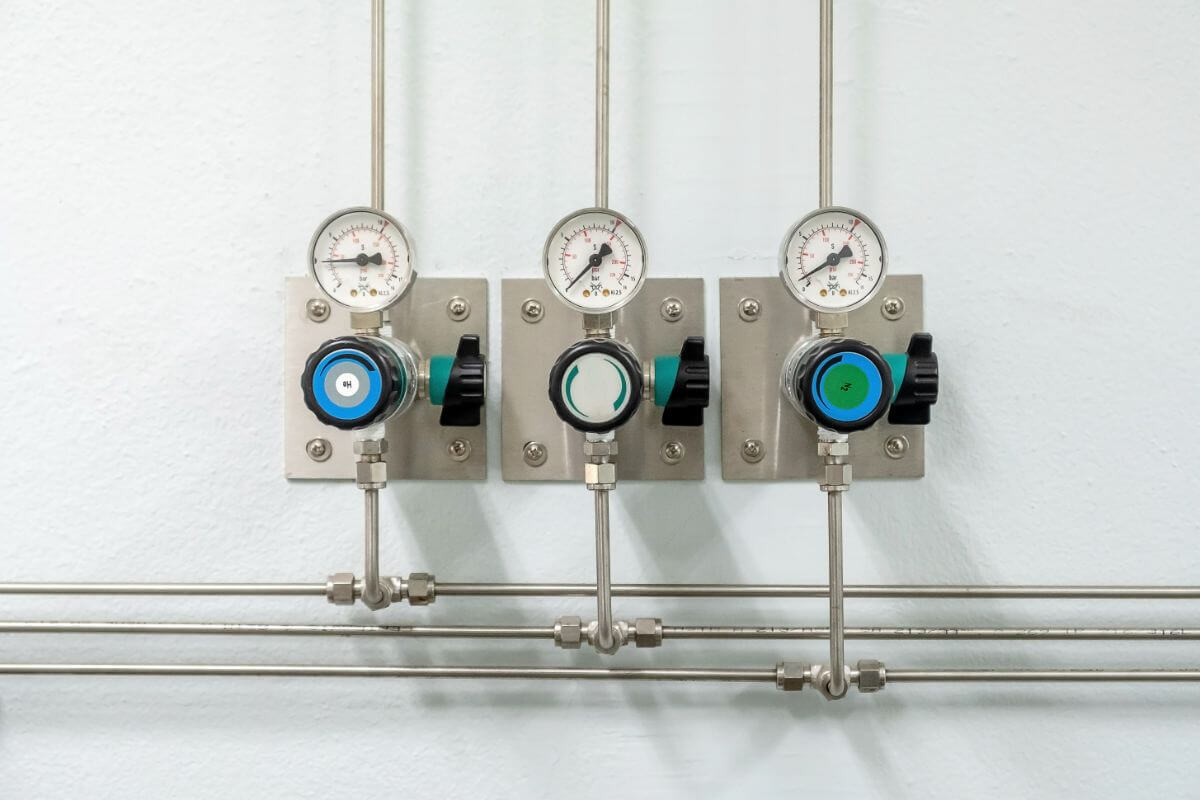
The quality of water used in industrial pipes is a critical factor in their long-term performance. Depending on the specific application, water can contain impurities such as minerals, sediment, or corrosive elements, which can impact the integrity of the pipes. Therefore, it is essential to monitor and control the water quality to prevent issues like scale buildup, corrosion, and contamination.
Implement water treatment processes, including filtration, softening, or chemical treatment, to remove or neutralize impurities. Regularly test the water for key parameters such as pH levels, conductivity, and other relevant indicators to ensure it meets the desired standards. By implementing proper water treatment and conducting regular monitoring, you can maintain the integrity of the pipes and minimize the risk of contamination, ensuring their optimal performance.
Train and Educate Staff
Maintaining a robust and reliable pipe system requires a well-trained and knowledgeable maintenance team. By investing in the training and education of your staff, businesses can effectively navigate the complexities of pipe maintenance and minimize disruptions to operations.
Ensure that your maintenance staff receives comprehensive training on pipe maintenance practices. Equip them with the necessary knowledge and skills to identify potential issues, perform inspections, and carry out maintenance tasks effectively. Educate them about the importance of preventive maintenance, safety protocols, and best practices for pipe maintenance.
Encourage a culture of proactive maintenance by fostering an environment where staff members are empowered to report any concerns promptly. By creating a sense of ownership and accountability, well-informed staff can play a vital role in preventing major pipe failures and minimizing disruptions to industrial operations.
Key Takeaway
By following tips for maintaining industrial pipes, businesses can effectively minimize downtime and extend the lifespan of their pipes. Proactive maintenance is a wise investment that yields long-term benefits, including uninterrupted productivity and significant cost savings.
Searching for top-quality industrial pipes in the Philippines? Look no further than Industrial PH. With 25 years of expertise, we specialize in supplying a wide range of industrial pipes, including steel pipes, piping systems, and pipe fittings. Industrial PH is your go-to source for exceptional pipe products and services.
Contact us to know more about the range of industrial machinery in the Philippines today and experience the reliability and excellence of Industrial PH!