6 Bottling Equipment for Water Bottle Filling Systems
 January 4, 2023

What are the different types of bottling equipment for water bottle filling systems?
- Molding Equipment
- Cleaning Machines
- Water Filling Machines
- Cap Application Machines
- Bottle Labeling Machines
- Bottle Conveyor Equipment
The process of manufacturing bottled water involves multiple stages, from the formation of individual water bottles to adding labels and packaging them. In order to achieve this goal, a set of equipment and machinery working seamlessly and in harmony is essential. Bottling equipment for water bottle filling systems is designed to perform their tasks individually and in sequence, one after the other. In this article, you will learn about six different types of bottling equipment for water bottle filing systems.
Molding Equipment
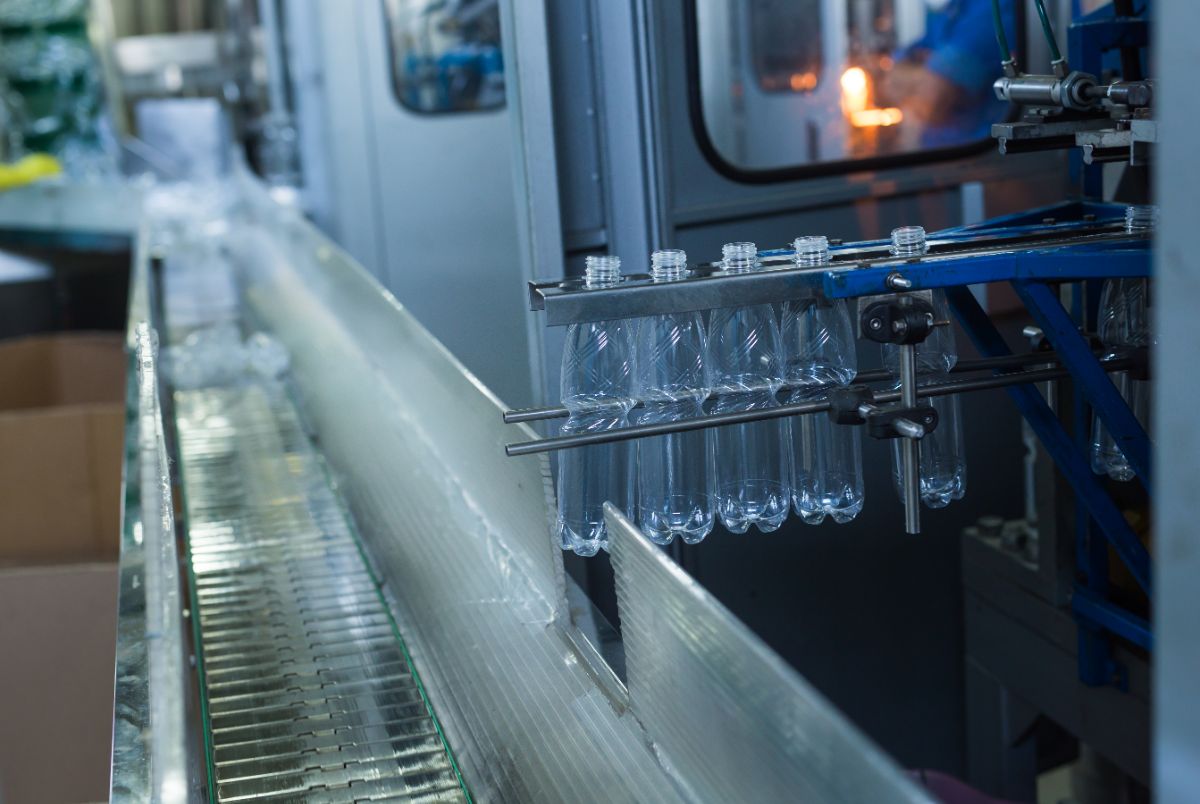
Bottled water is characterized by the container in which it is held, and the most common type of water bottles are made of polyethylene terephthalate (PET), a plastic that is lightweight, safe for food contact, and cost-effective. There are various methods of creating PET water bottles, including the extrusion blow molding process and injection stretch blow molding, which uses small PET vessels called preforms to be fully molded and shaped into bottles of various sizes and shapes. Specialized equipment is required to create plastic bottles by molding them from raw pellets of PET or perform pieces.
Cleaning Machines
Once the bottles have been formed, they make their way to machines that clean the inside of the bottles. Some manufacturers use air rinsers which use compressors to blow a stream of air into each container to loosen dust and debris. Other times, a special mixture of ozone water is sprayed to purify the bottles.
The process of spraying the inside of the bottle removes any dirt, dust, or residue that may be visible to the human eye. Additionally, ozone water is used for a more specific and important purpose. When mixed with water acts as a germicide, it can kill various bacteria, viruses, and parasites. Once the water drains and the inside of the bottle are cleaned and purified, the process moves on to the next piece of equipment.
Water Filling Machines

The most crucial step in the process is filling the bottles with the intended product, which is done using liquid filling machines. Manufacturers often use gravity fillers for products with a viscosity similar to that of drinking water, as it is efficient and does not require as many pumps. It uses hoppers placed above the nozzles which are filled with drinking water. Once the bottles are placed below the nozzles, the valves open automatically under the control of an automated operations unit, allowing gravity to fill the bottles.
The operation unit also controls the timing, which is essential in determining the amount of water that fills the bottle. The valve is shut off at a precise time to prevent overfilling. After the filled bottles move on, new containers are set in place for the next cycle.
Cap Application Machines
Capping machines are a key component in the bottling process. They are used to apply and secure caps or lids onto bottles, jars, or other containers. These machines come in various types such as screw cappers, lug cappers, snap cappers, and others, each designed to work with specific types of caps or closures. They can be manual or automated, depending on the production scale.
Automated capping machines use sensors and pneumatic or motor-driven mechanisms to ensure consistent and accurate cap placement and tightening. These machines are essential in ensuring the safety, freshness, and integrity of the product. They also help to improve the efficiency and speed of the bottling process.
Bottle Labeling Machines
Adding your label to a product is non-negotiable when you want your brand to be recognized and if you want to build a wider consumer base. That’s why bottle label machines are part of the water bottle manufacturing process. Most water bottle labels are plastic based and are impervious to any form of leak. The labeling machines can be adjusted according to the size of the bottles and what’s printed on them.
Bottle Conveyor Equipment
The bottle conveyor equipment is used to transport bottles from one point to another within a manufacturing facility. These systems typically consist of a series of rollers or belts that move bottles along a defined path. They can be designed for a wide range of bottle sizes, shapes, and materials, and can be customized to suit specific production requirements. The conveyors can be integrated with other equipment, such as fillers, cappers, and labeling machines, to create a fully automated bottling line. Bottle conveyors are essential for improving efficiency and reducing labor costs in the bottling process. They also help to ensure that bottles are handled gently and carefully to minimize damage while maintaining high production speeds.
Key Takeaway
As you have seen, water bottle filling systems are complex and involve many moving parts and various machinery that have to be precise – especially conveyor systems. There are also different types of bottling equipment for water bottle filing systems to create the
Industrial PH creates many kinds of industrial machinery including conveying equipment and food & beverage processing equipment. Don’t hesitate to contact us here so we can discuss how our team of certified engineers can help you.