How Does a Fire Alarm System Work?
 January 2, 2023
Just like natural calamities, there is a way for many establishments to stop and prevent fires from happening. All it takes is the installation of various systems that are listed in the Fire Cod of the Philippines. That’s why a fire alarm system is a critical component of any building’s safety plan, as it is designed to detect and alert occupants of a potential fire. These systems are installed in homes, commercial buildings, and industrial facilities to protect lives and property. But how exactly does a fire alarm system work? Keep reading to learn more!
Components of the System

All fire alarm systems have three main components that make them work: detectors, a control panel, and an alarm sounder.
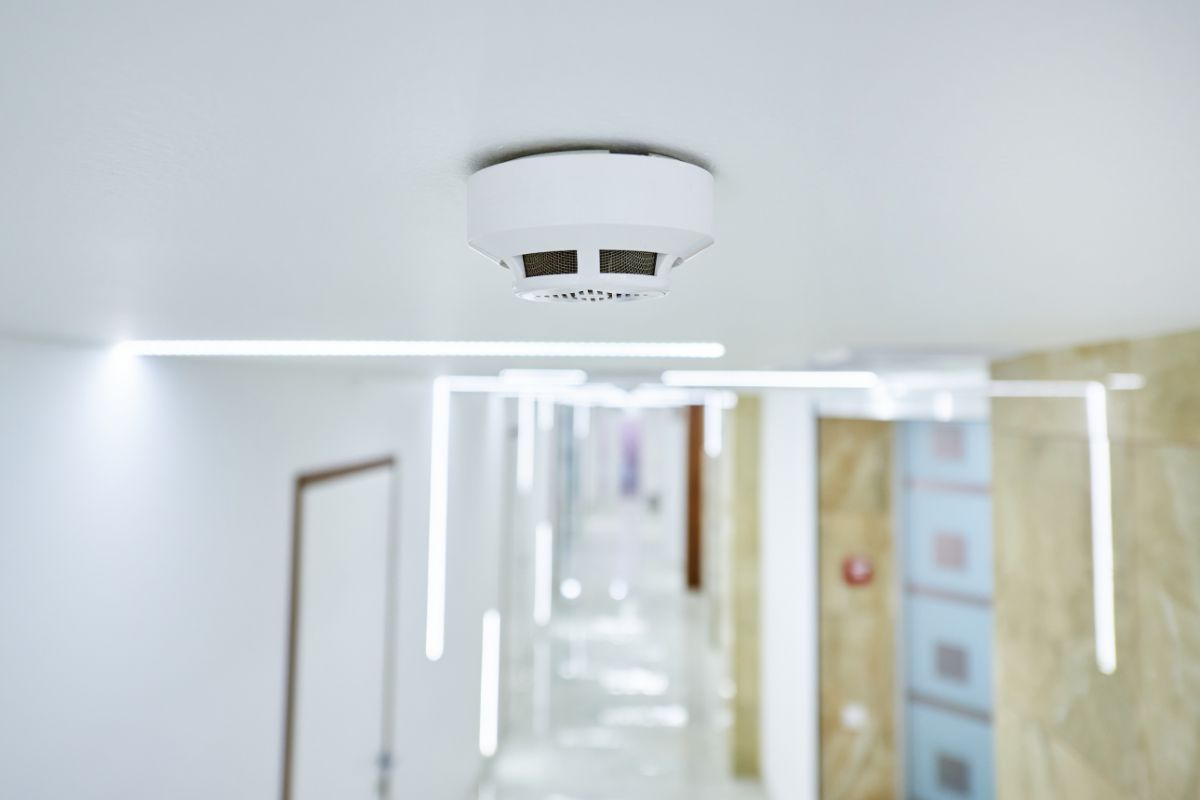
Detectors
The detectors are responsible for sensing certain stimuli, such as smoke, heat, or carbon monoxide, and triggering an alarm. There are several types of detectors, including smoke detectors, heat detectors, and carbon monoxide detectors. Smoke detectors can be ionization, light obscuring, or light scattering, which detect the presence of smoke. Carbon monoxide detectors, also known as CO fire detectors, detect poisonous gas caused by fires. Heat detectors use a combination of infrared and heat sensors to detect an increase in temperature.
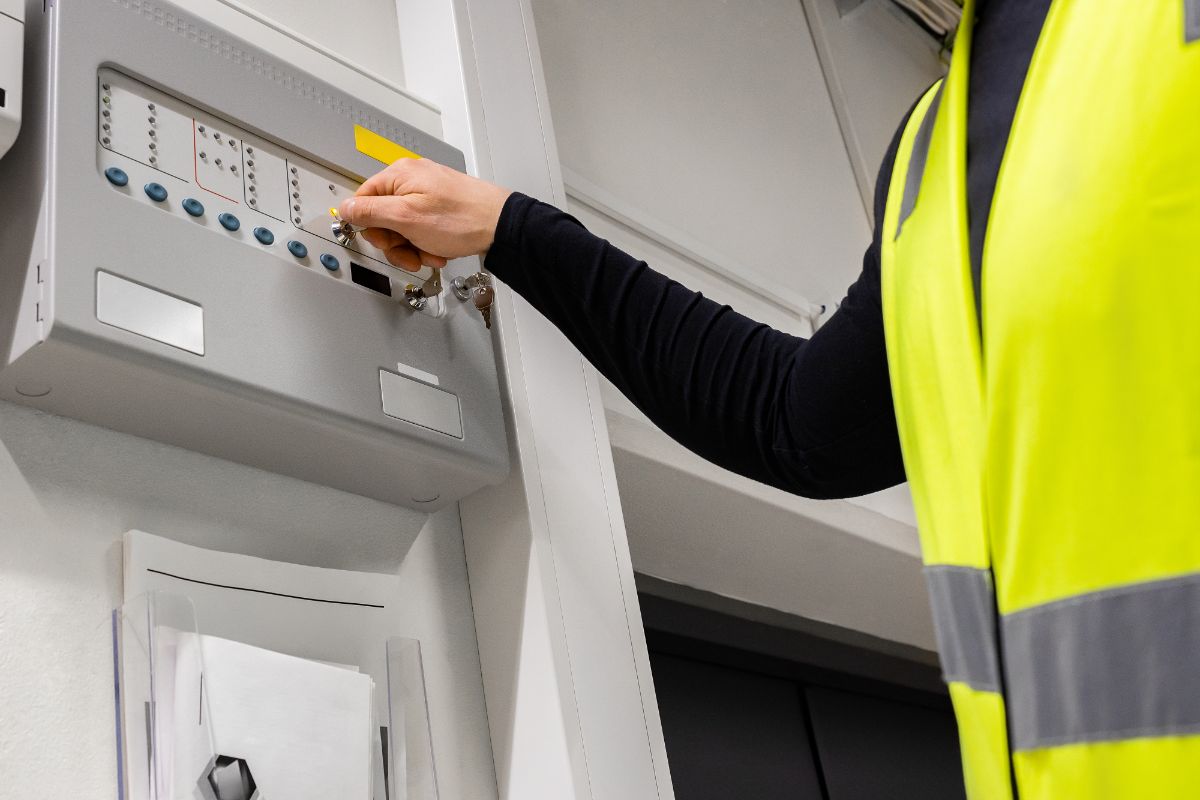
Control Panels
Once a sensor has detected a potential fire, the signal is sent to the control panel. This component is the central hub of the fire alarm system, and it is responsible for processing the sensor’s information and determining whether or not to activate the alarms. It also includes a built-in memory that records the time and location of the sensor that triggered the alarm.
In addition, manual call points, or “break glass” levers and buttons, can also be used to send signals to the control panel and trigger the alarm.
Alarm Sounder
If the control panel determines that a fire is present, it will activate the audible and visual alarms. These alarms are designed to alert the building’s occupants that a fire has been detected, so they can take immediate action to evacuate the building. The alarms can be loud and piercing, making it impossible for anyone to ignore them. Some systems also have strobe lights or other visual alarms that can alert people who are hearing impaired.
Kinds of Fire Alarm Systems
Nationwide, you’ll see different kinds of fire alarm systems. However, these can be easily categorized into two kinds — conventional alarm systems and intelligent or wireless systems.
Conventional Fire Alarm Systems
Conventional fire alarm systems use physical cables to connect all call points, detectors, the control panel, and alarm devices. A basic conventional system organizes detectors and call points into zones, which helps to identify the location of the alarm and streamline the response of fire suppression personnel, such as the fire department, as well as evacuation and rescue efforts. The zones are displayed on the control panel’s display.
Another variation of the conventional fire alarm systems is the addressable system, which assigns a unique identification number or address to each sensor, detector, or calls point. This allows the control panel to pinpoint the exact location of the activated device, such as which floor, room, or area of the building, this type of system is particularly useful in large commercial or industrial buildings like malls, warehouses, or factories.
Additionally, the control panel can also send a signal to the nearest fire department to facilitate fire suppression and rescue.
Intelligent and Wireless Systems
In contrast to previous systems, intelligent or “smart” fire alarm systems have detectors that incorporate built-in computers that can measure their environment and make determinations about whether a fire threat is real, a false alarm, or if maintenance is needed. These detectors can also communicate with each other and with the control panel using radio communication or WiFi, eliminating the need for physical cables. This type of system is more effective and allows for remote monitoring, particularly in domestic settings. In addition, they are designed to prevent false alarms. Wireless fire alarm systems are considered more advanced and have more features compared to traditional systems.
Key Takeaway
How does a fire alarm system work? This article provided an overview of its key components and how they work together to alert building occupants of a fire. There are two types of systems you may see — the conventional and the smart system. Both are created with the same purpose for all kinds of buildings and establishments.
If you’re looking for someone to design and provide your establishments with a fire alarm system in the Philippines, then you’ve come to the right place! Here at Industrial PH, we design various systems and equipment for fire protection. Contact us here to learn how we can provide you with fire alarms, fire protection, and fire suppression systems.