What is an HVAC System?
 December 27, 2022
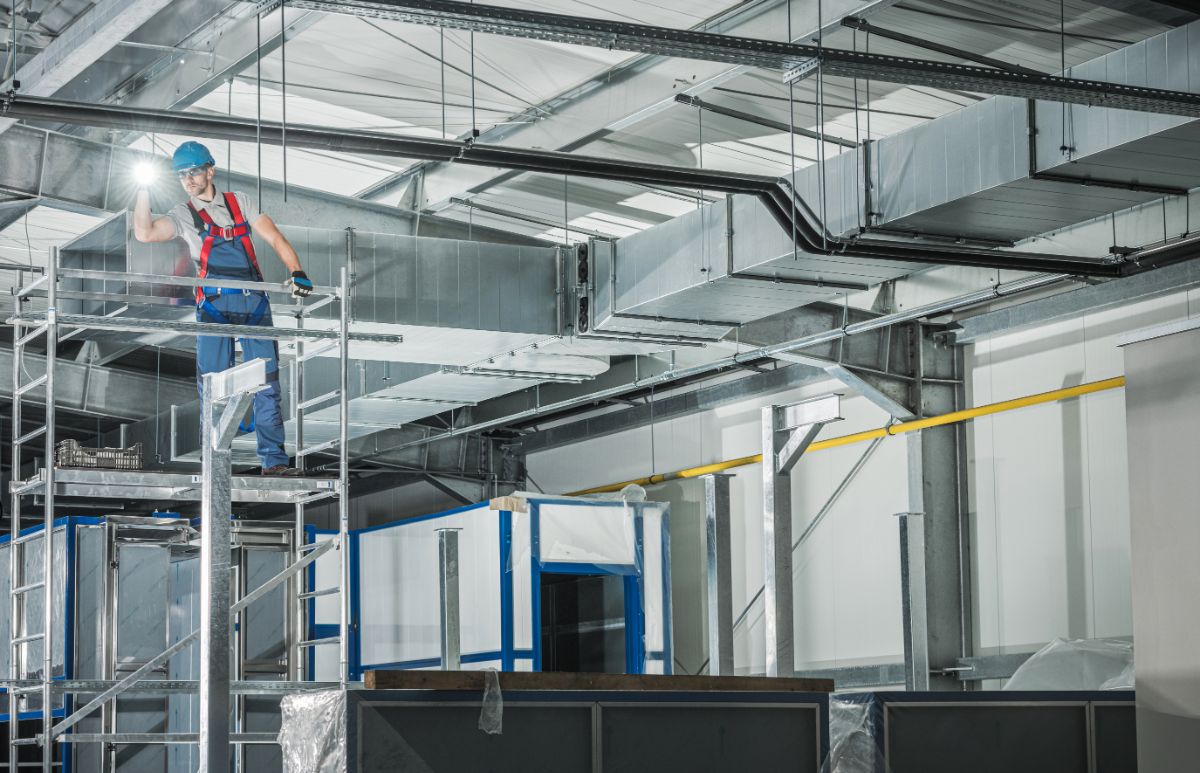
Many have heaters and air conditioners installed, but they may not know what an HVAC system is.
HVAC is an acronym that stands for heating, ventilation, and air conditioning. It’s an ensemble of many technical domains wherein engineering is applied to tools, machinery, devices, and appliances for the purpose of controlling the various factors relating to the air of an enclosed space. Those factors usually contain but are not limited to, temperature, humidity, and purity of the air.
You may find HVAC systems installed in all types of buildings – domestic ones such as houses, apartments, and condominiums. They can also be found in commercial structures such as stores, markets, and malls, and finally industrial buildings like factories, data centers, logistics hubs, and warehouses.
What is the purpose of an HVAC system?
The purpose of heating, ventilation, and air conditioning is to ensure and maintain optimal and ideal conditions of hygiene, safety, security, and comfort. These should comply with the enforced standards and regulations.
HVAC systems are used in a wide range of applications, including residential homes, commercial buildings, and industrial facilities. In residential homes, HVAC systems are used to maintain a comfortable temperature and improve indoor air quality. You can also find them in commercial buildings. When installed there, they are used to keep the building at a comfortable temperature for employees and customers as well as to maintain good indoor air quality. On the other hand, industrial facilities use this to control temperature and humidity levels to ensure the proper functioning of equipment
Heating
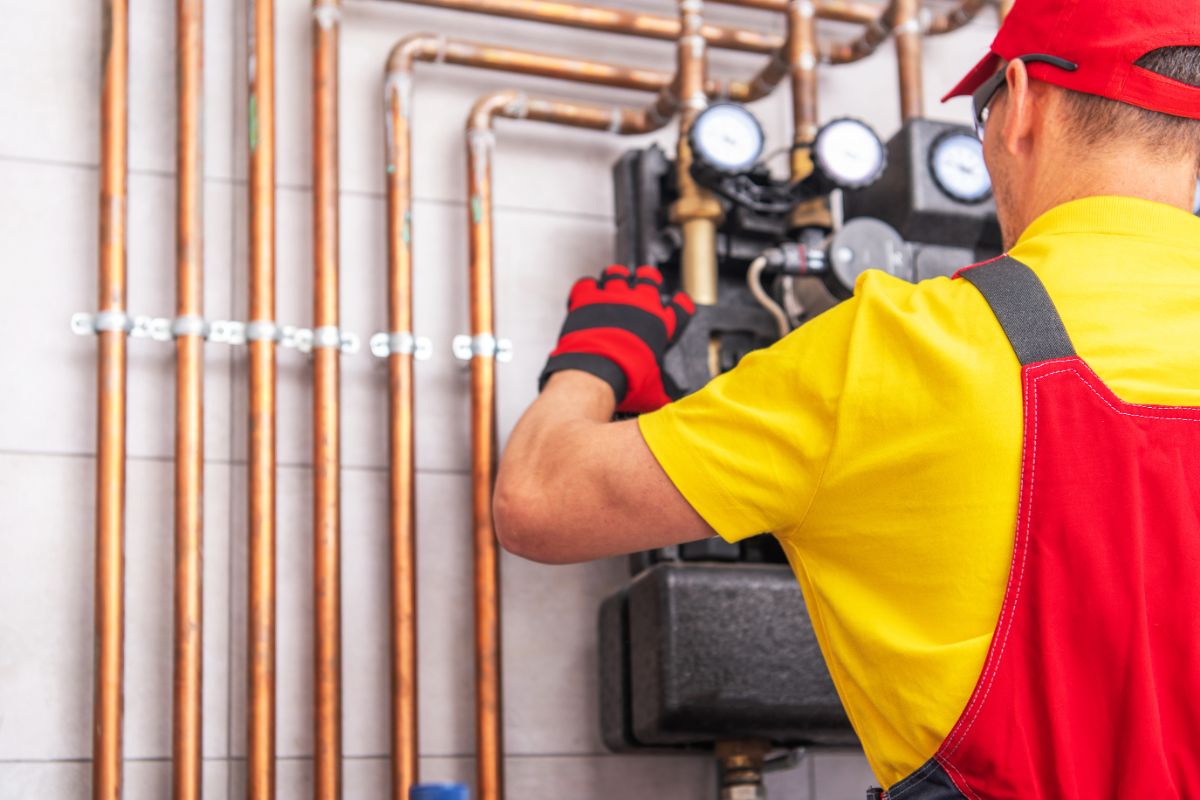
Heaters are a crucial component in environments where the temperature falls below a desired level for the people, animals, or equipment within a building. They are designed to generate heat and keep the space warm and comfortable.
Central heating systems, which utilize a furnace, boiler, or heat pump to heat water, are commonly used. The method of generating heat can vary, with gas being the most popular in urban areas like Europe and North America, while solid fuels like coal, charcoal, and firewood are still used in rural or older buildings without modern heating systems. Electrical heaters are also used, but typically as a backup or supplementary source. Warm air is then distributed through ducts in the ceiling or through an underfloor air distribution network.
Ventilation

Due to the conditions happening inside the building, excess humidity and unpleasant or harmful odors may build up. For this reason, a ventilation system is required in order to remove this buildup by circulating the air – moving the unwanted air outwards and introducing fresh air from the outside inwards.
These are the most common factories where they manufacture products that require nonedible and potentially toxic ingredients and need to maintain indoor air quality so that the workers inside can be safe from inhaling potentially harmful fumes.
On the other hand, a kitchen uses a simple ventilation system to prevent culinary smoke – although harmless and appetizing in nature, from oversaturating the air and potentially permanently marking the walls, ceilings, and furniture.
In modern construction, an active system of ventilation called mechanical or forced ventilation is executed by an air handling unit (AHU). This is often done by a set of fans with varying diameters that force the circulation of air outwards and inwards.
A simpler and cheaper kind of ventilation is passive ventilation which allows the flow of external air to the indoor space of a building by harnessing natural forces like the wind or air pressure differences due to temperature. The architectural design of the building purposely takes this into account and includes windows and windcatchers.
Air Conditioning
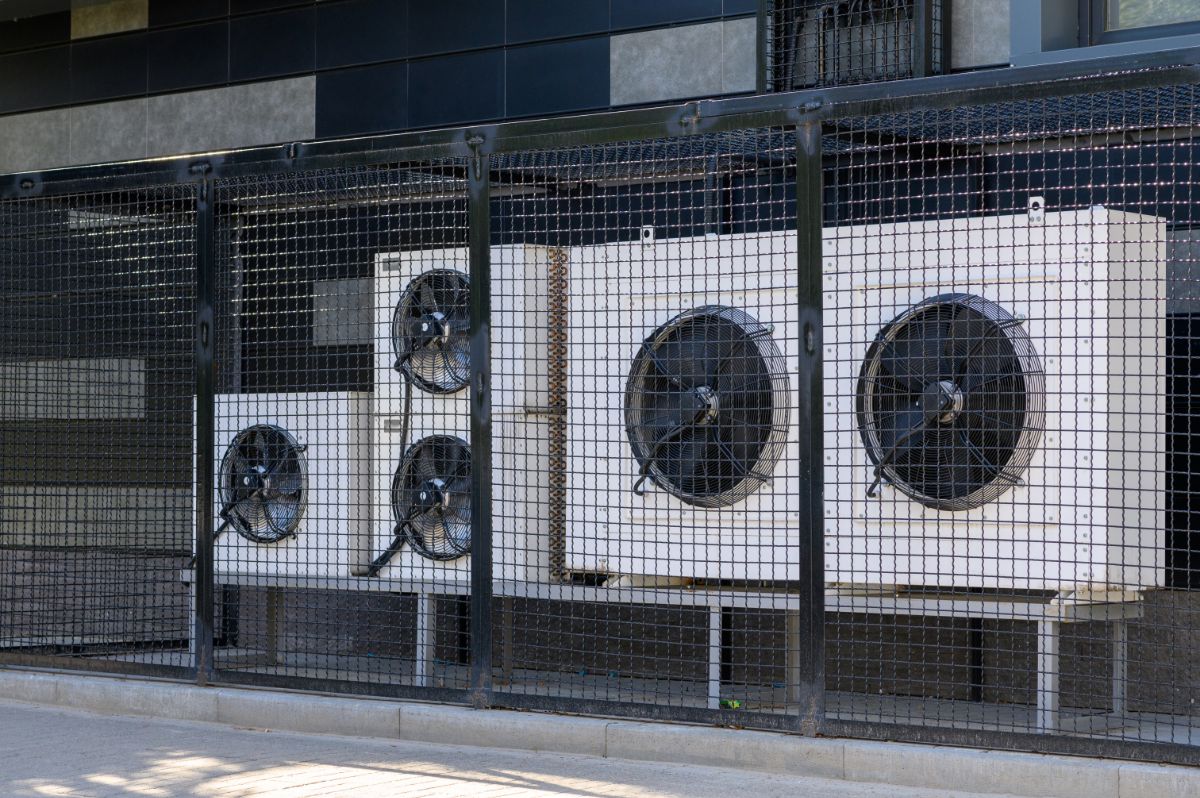
Air conditioning systems are designed to control the temperature, humidity, and air quality of a building or vehicle. Air conditioning systems work by removing heat from the air and transferring it outside. They also remove moisture from the air to control humidity levels, and often have filters to remove pollutants and improve indoor air quality. They are mostly used to cool the air during hot weather. There are different types of air conditioning systems available, such as central air conditioning, window air conditioners, and portable air conditioners.
Central air conditioning systems are connected to a network of ducts that distribute cool air throughout a building, while window air conditioners are installed in a window or through a wall. Lastly, portable air conditioners can be moved from room to room.
Key Takeaway
Now that you know what an HVAC system is, you can assess if it’s needed in your establishment. They require precision, reliability, and quality whether one considers their installation at a domestic level or at a more industrial level.
Here at Industrial PH, we provide engineering solutions for industrial machinery, including an HVAC System, Industrial Piping, and Fire Protection System. For 25 years, we have provided our clients with the best services from design to installation to maintenance. Don’t hesitate to contact us here today!