Visual and Non-Audible Signals of Fire Detectors and Alarm Systems Explained
 August 27, 2026
What are visual and non-audible signals of fire detectors and alarm systems?
- Visual and Non-Audible Signals
- Why Industrial Facilities Need Visual Indicators
- How Visual Signals Improve Situational Awareness
- Factors to Consider Before Adding Indicators
Overview
- Visual indicators such as strobes and beacons help alert occupants in high-noise areas where horns or bells may be difficult to hear.
- Non-audible signals such as annunciator displays, control panel readouts, and supervisory alerts help facility teams understand event location, device status, and system readiness.
- These signals support faster response across industrial, processing, warehouse, and commercial facilities, especially where personnel use hearing protection or work across large zones.
- For managing directors, visual and non-audible notification planning supports safer operations, clearer emergency protocols, and stronger long-term fire system oversight.
Fire detection systems need to communicate emergencies quickly. In many industrial facilities, sound alone may not be enough because machines, compressors, production lines, and hearing protection can reduce alarm audibility. This is where visual and non-audible signals of fire detectors and alarm systems explained becomes important for safety planning.
Visual and non-audible signals do not replace audible alarms. They strengthen the alarm strategy by adding clear visual warnings and control panel information. Industrial PH supports fire detection and alarm systems in the Philippines for facilities that need reliable notification, proper device placement, and maintenance support.
This article explains how visual indicators, panel displays, and non-audible alerts help people respond faster, understand system status, and maintain emergency readiness.
Visual and Non-Audible Signals
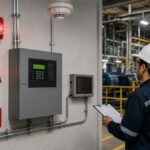
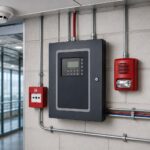
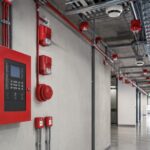
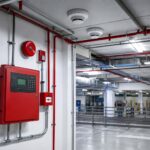
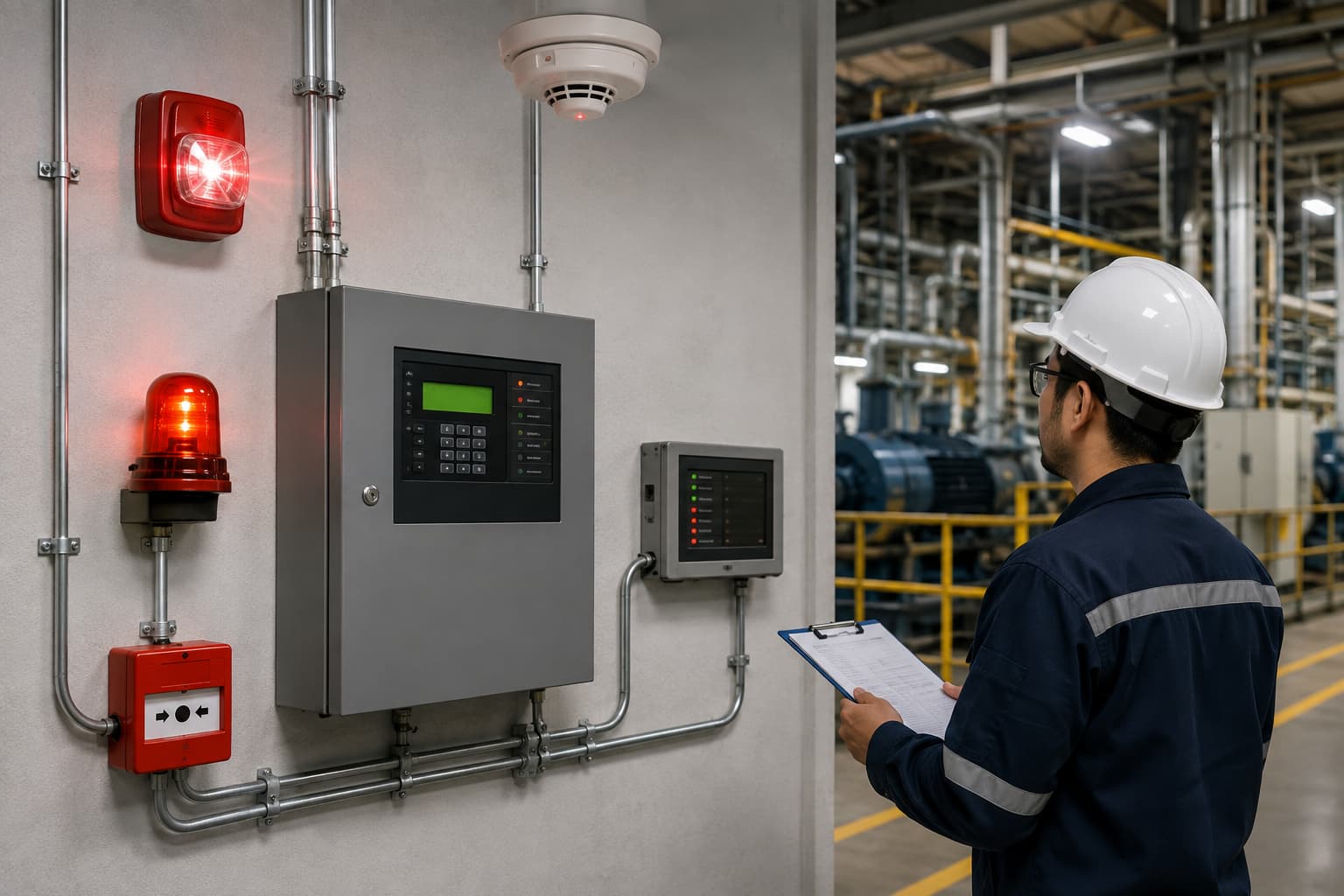
Visual signals use flashing lights, strobes, beacons, and indicator lamps to warn occupants without relying on sound. Non-audible signals include annunciator displays, LCD or LED control panel readouts, supervisory alerts, and trouble indicators that communicate system conditions visually.
In a complete fire alarm plan, these devices should be selected together with detection technology, notification appliances, control panels, and monitoring requirements. The key features to look for in fire alarm systems in the Philippines include clear notification, accurate detection, and practical system visibility for facility teams.
Strobes and Beacons in High-Noise Areas
Strobes use high-intensity flashing light to make alarms visible on production floors, equipment rooms, utility areas, and other locations where machinery noise may overwhelm audible alarms. Beacons can also support outdoor zones, perimeter areas, and loading bays where sound may travel unevenly.
System Status Displays and Annunciators
Text-based annunciators and panel displays help trained personnel see which device, zone, or system condition triggered the alert. This reduces guesswork during an emergency and supports faster verification by security, maintenance, or emergency response teams.
Why Industrial Facilities Need Visual Indicators
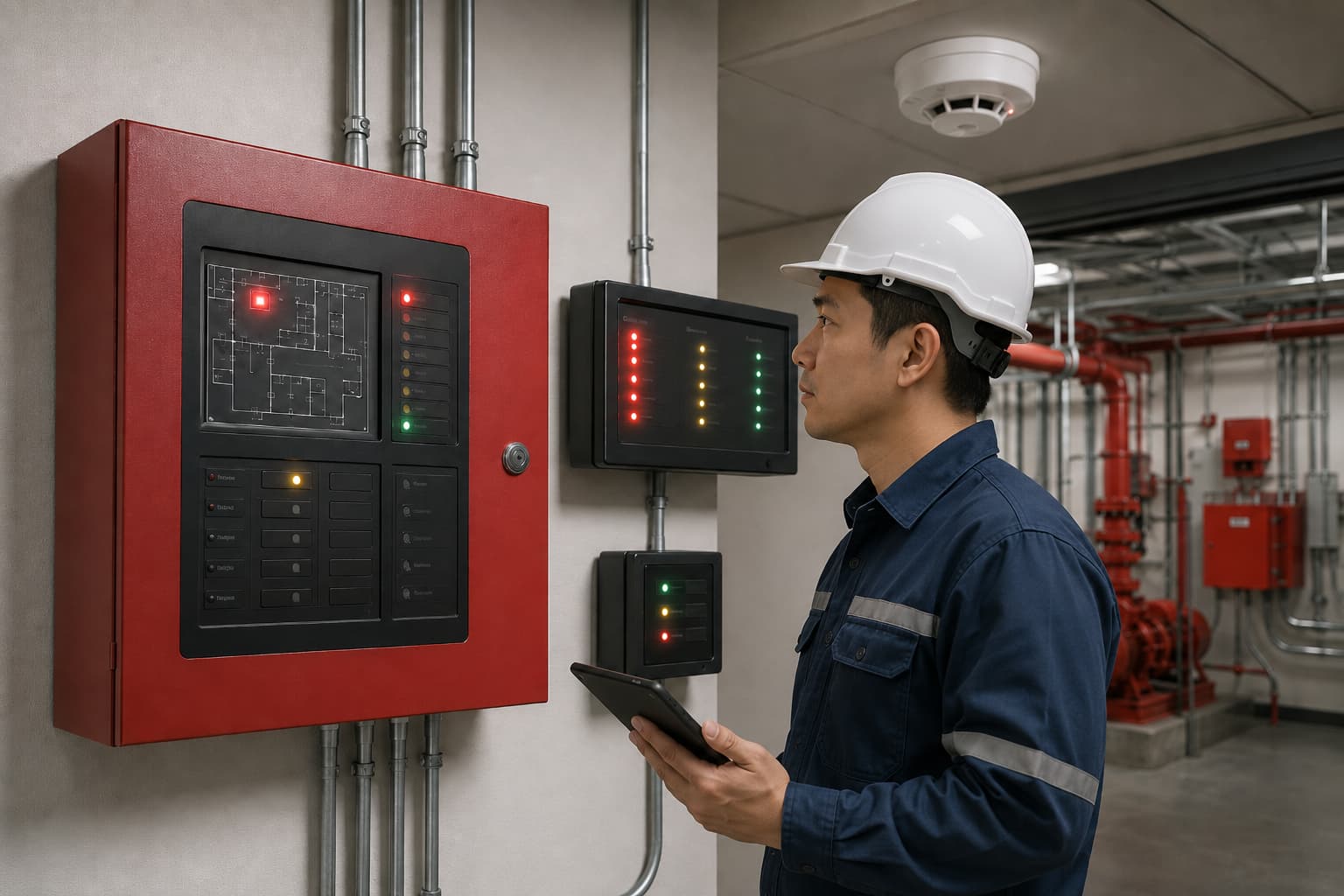
Industrial facilities often combine high ambient noise, wide floor areas, enclosed rooms, moving equipment, and personnel using hearing protection. In these conditions, visual indicators help ensure warnings are not missed when audible alarms are difficult to hear.
For managing directors, this matters because delayed notification can affect employee safety, evacuation coordination, property protection, and business continuity. Visual alarm planning helps close communication gaps before they become emergency response problems.
| Type | Method | Common Application |
|---|---|---|
| Strobe | High-intensity flashing light | Production floors, machine rooms, and noisy areas |
| Beacon | Rotating or flashing light | Outdoor zones, loading bays, and perimeter areas |
| Annunciator or text display | LCD or LED visual information | Control rooms, security posts, and maintenance stations |
| Panel status indicator | Visual system condition | Fire command areas, engineering offices, and monitoring desks |
High-Noise Zones and Hearing Protection
Production floors, compressor rooms, generator rooms, packaging lines, and mechanical areas may have noise levels that make horns or bells less noticeable. Visual notification devices provide a secondary alert path that can be seen even when sound is masked by equipment operation.
Hearing-Impaired Occupants and Visual Evacuation Support
Visual alarms also support personnel or visitors who may not hear an audible signal clearly. In cleanrooms, sealed production areas, or offices separated by acoustic barriers, flashing signals help communicate evacuation warnings without depending only on sound transmission.
How Visual Signals Improve Situational Awareness
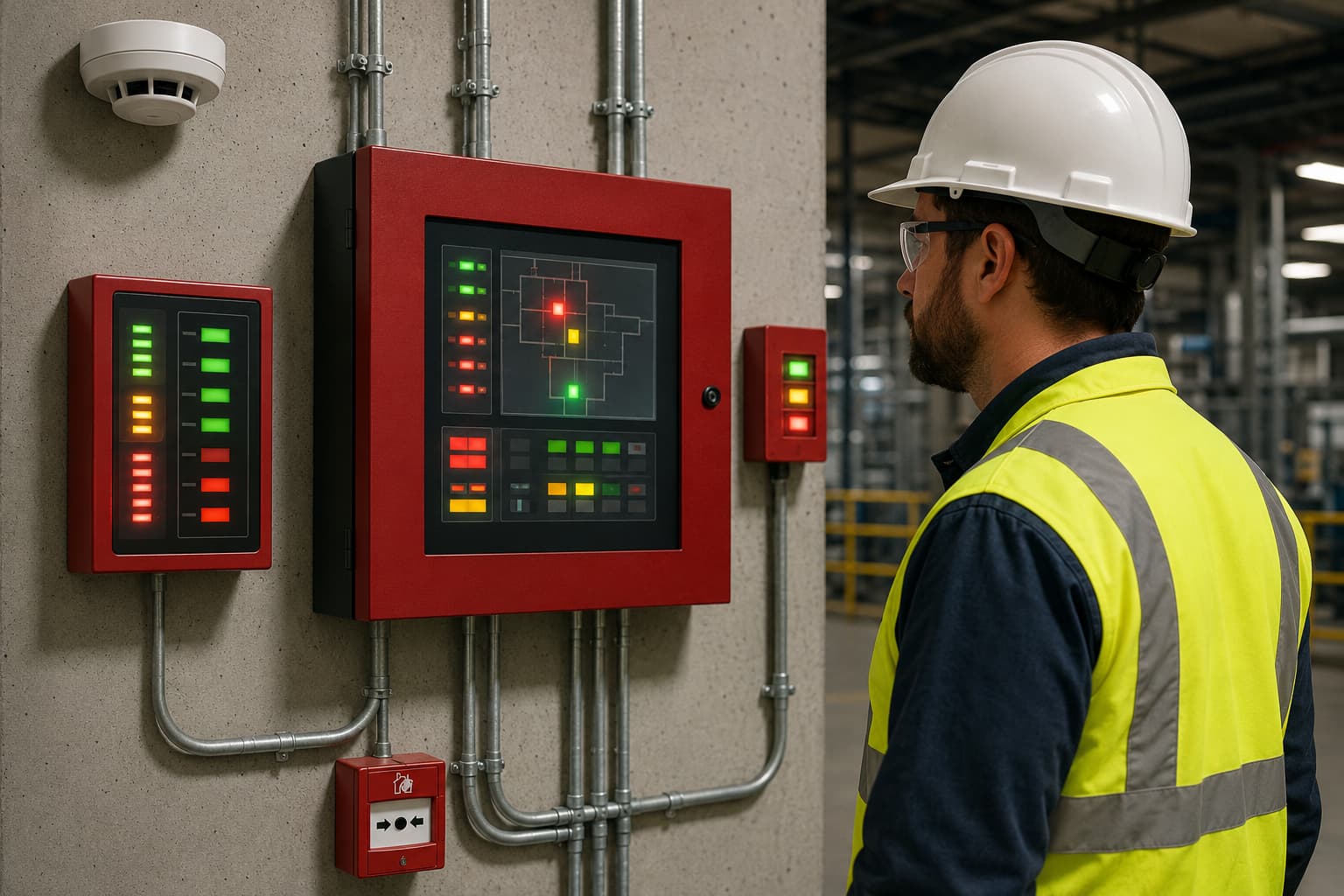
Visual and non-audible signals help facility teams understand what is happening, not only that an alarm exists. Control panel displays can show whether smoke detection, heat detection, manual activation, supervisory input, or a system fault initiated the condition.
This information is useful in large facilities where response teams need to avoid routing people toward hazardous areas. Clear status information helps teams verify the alarm source, coordinate evacuation, and decide whether maintenance, emergency response, or system restoration is required.
Zone-Specific Alerts in Large Facilities
Zone-specific indicators allow facility teams to identify affected areas quickly. Instead of treating every alarm as a full-site event without context, trained responders can check the displayed zone, device, or alarm point and align their action with the site emergency plan.
Supervisory and Trouble Signals for System Readiness
Not every visual signal means immediate evacuation. Supervisory signals may show an impaired valve or monitored condition, while trouble signals may point to wiring, power, battery, or device faults. These alerts help teams correct system issues before they reduce fire protection reliability.
Factors to Consider Before Adding Indicators
Before adding visual or non-audible indicators, facility leaders should evaluate panel compatibility, power requirements, device placement, line of sight, ceiling height, lighting conditions, and maintenance access. The goal is to make each warning visible where people actually work, move, and respond.
For broader fire alarm systems in the Philippines, visual notification should align with the building layout, occupancy type, production risks, and long-term maintenance capacity.
A compliance-ready fire alarm design should also consider whether audible and visual alarms can reach occupied areas clearly, including spaces affected by machinery noise, obstruction, distance, or restricted visibility.
Panel Compatibility and Load Capacity
Existing fire alarm control panels may require expansion modules, additional circuits, power supply review, or programming updates before visual devices can be added. Confirming compatibility early prevents procurement delays and avoids installing devices that the current system cannot properly support.
Coverage Mapping and Maintenance Access
Coverage mapping helps identify blind spots caused by racks, equipment, partitions, mezzanines, and structural elements. Maintenance access should also be planned so strobes, beacons, annunciators, and related devices can be tested, cleaned, and serviced without disrupting operations unnecessarily.
Key Takeaway
Visual and non-audible signals of fire detectors and alarm systems explained helps facilities strengthen fire alarm communication in areas where sound alone may not be enough. Strobes, beacons, annunciator displays, and panel messages support clearer warnings, better event location, and faster response.
Industrial PH supports fire detection and alarm system planning, installation, and maintenance for facilities that need audible, visual, and non-audible notification components suited to site conditions.
Contact us today to discuss visual and non-audible fire alarm integration options for your facility.