Key Factors That Affect Steel Tank Fabrication Quality
 July 17, 2026
Key Factors That Affect Steel Tank Fabrication Quality
- Material Selection
- Welding Standards and Workmanship
- Corrosion Protection and Inspection Processes
- Fabrication Methods and Design
Overview
- Steel tank quality depends on material grade, plate thickness, welding control, corrosion protection, inspection records, and design details.
- For procurement officers, the lowest bid may carry hidden risk if material traceability, testing, coating, or site integration is unclear.
- A stronger procurement review checks documentation before fabrication, not only after the finished tank is delivered.
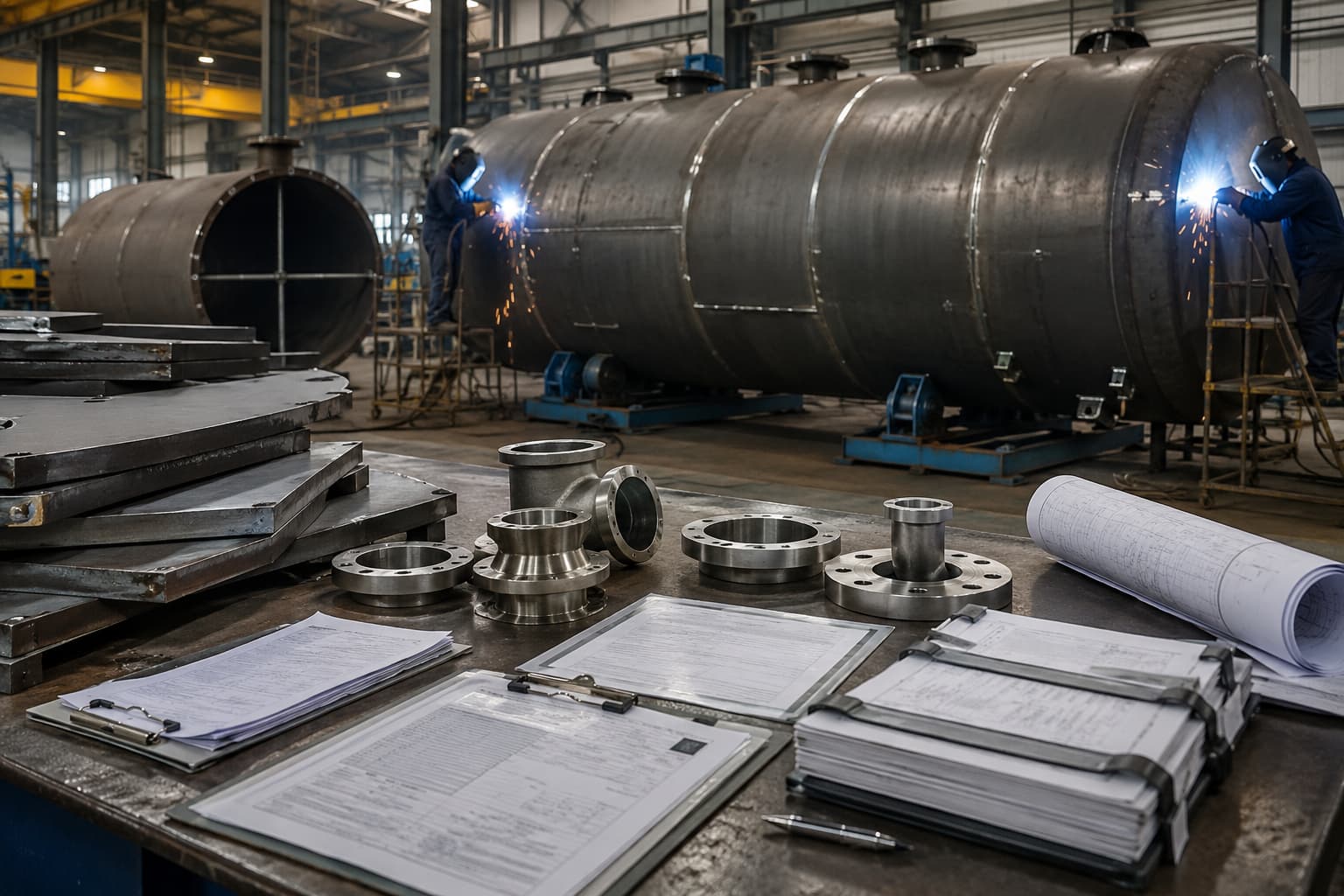
For procurement officers, understanding factors that affect steel tank fabrication quality helps prevent leaks, premature corrosion, rework, and unexpected installation delays. A steel tank may look complete from the outside, but its long-term performance depends on decisions made before cutting, rolling, welding, coating, and testing begin.
Quality control starts with the specification. The steel tank fabrication process in the Philippines involves design planning, material selection, forming, welding, fitting, and pressure testing. Each step gives procurement teams a chance to confirm whether the fabricator can meet the facility’s operating, maintenance, and documentation requirements.
This guide explains the key quality factors to check before awarding a tank fabrication project, especially when the tank will support industrial water storage, food and beverage processing, chemical handling, or utility operations.
Material Selection
Material selection affects corrosion resistance, pressure containment, stored-product compatibility, and service life. Steel grade and thickness should match the stored liquid, operating temperature, cleaning method, and facility environment. A general-purpose material may be acceptable for one application but unsuitable for another, especially in tanks exposed to chlorides, chemicals, or frequent sanitation cycles.
Procurement teams should ask the fabricator to explain the basis for the selected material, not only provide a quoted price. When facilities compare custom steel tank fabrication, the review should include steel grade, plate thickness, lining or coating compatibility, and supporting material certificates.
Verify Material Traceability Before Fabrication Starts
Material traceability helps prevent substitution. Mill test certificates should be reviewed before fabrication begins so the procurement team can confirm grade, heat number, chemical composition, and mechanical properties. This is especially important for stainless steel tanks, where grade selection affects hygiene, corrosion resistance, and cleanability across different industrial uses for stainless steel tanks.
Confirm Thickness Selection Against Stored Product Load
Plate thickness should be calculated against the actual stored product, not assumed based on water alone. Specific gravity, tank height, support conditions, and design pressure can affect wall stress and bottom plate requirements. Ask for the design basis so the approval is tied to measurable operating conditions.
Welding Standards and Workmanship
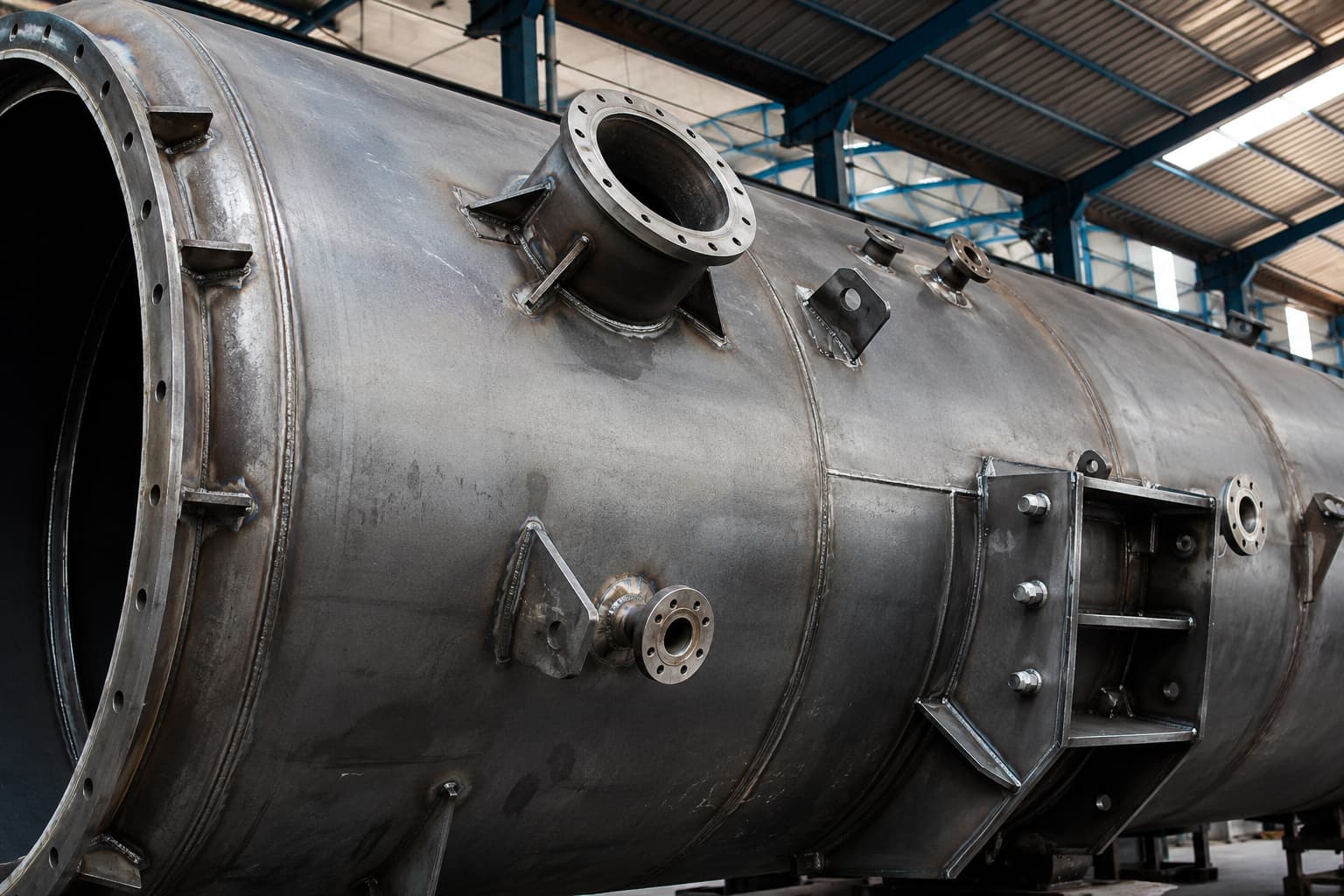
Welding quality determines whether the tank can hold its contents safely over time. Poor weld preparation, inconsistent heat input, wrong filler material, or unqualified welders can create leak paths, distortion, cracking, and corrosion-prone zones. For stainless steel tanks, excess heat input can also affect corrosion resistance around the weld area.
A qualified fabricator should be able to provide welding procedure specifications, procedure qualification records, welder qualification records, and inspection methods appropriate to the tank application. These documents help procurement officers evaluate workmanship before problems appear during hydrotesting or commissioning.
Review Welder Qualification Records
Welder qualifications should match the material, process, position, and joint configuration required for the tank. This helps reduce repair cycles caused by failed tests on critical seams, nozzles, manways, or reinforced openings.
Define Non-Destructive Testing Requirements Before Hydrotest
Non-destructive testing requirements should be defined in the purchase order or technical specification. Depending on the tank service, the scope may include visual inspection, dye penetrant testing, magnetic particle testing, radiographic testing, ultrasonic testing, or hydrostatic testing. Clear acceptance criteria reduce disputes after fabrication.
Corrosion Protection and Inspection Processes
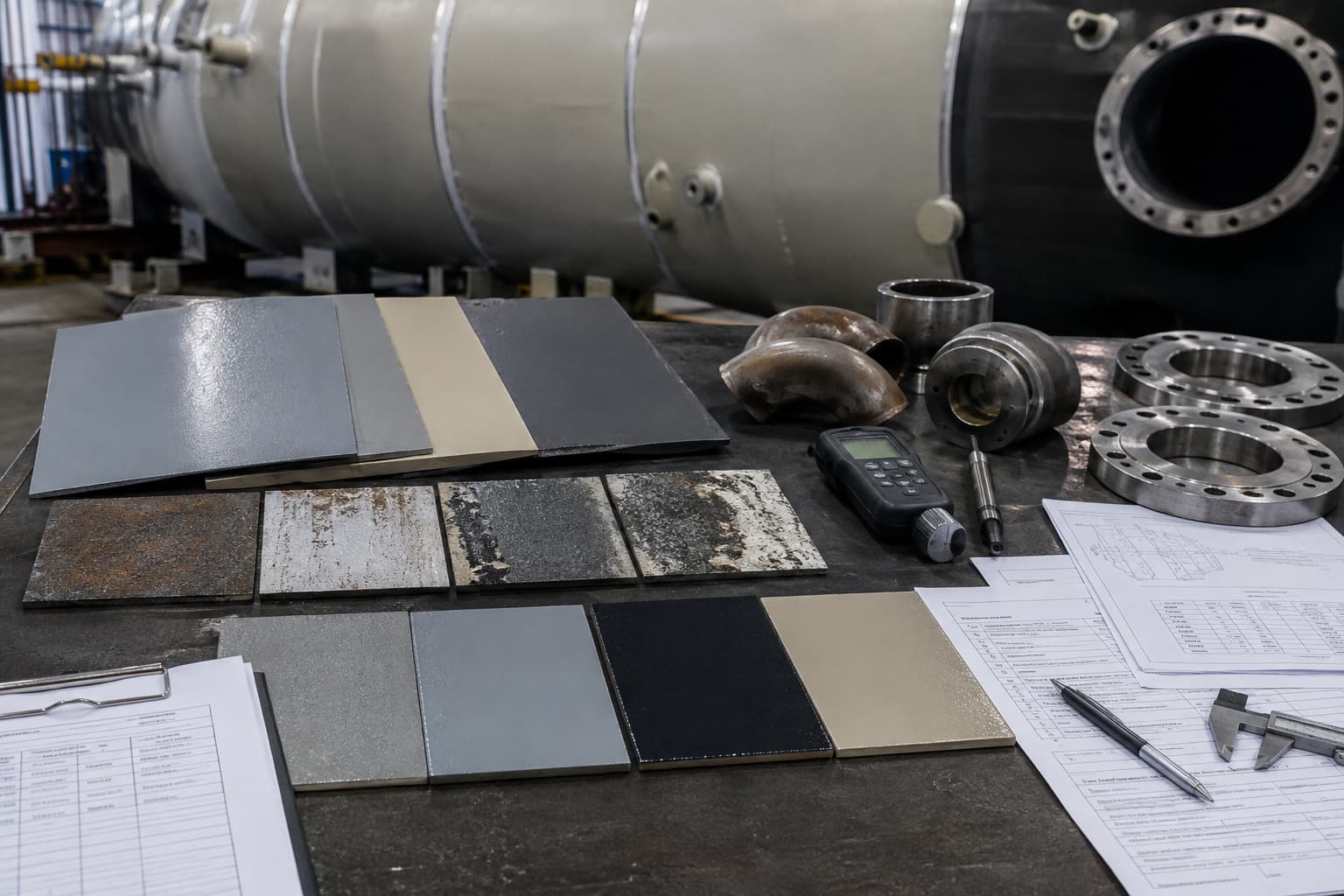
Corrosion protection is one of the most important long-term quality factors for steel tanks. Even a well-welded tank can fail early if surface preparation, coating application, lining selection, or inspection is weak. For carbon steel tanks, abrasive blasting, primer timing, coating thickness, and curing conditions all affect coating performance.
Inspection processes should create records at key hold points, including incoming material inspection, fit-up, weld inspection, surface preparation, coating application, thickness checks, leak testing, and final acceptance. These records give procurement and QA teams evidence that quality was built into the tank instead of checked only at delivery.
Confirm Surface Preparation Before Coating
Surface preparation determines how well coatings adhere. Rust, oil, mill scale, dust, moisture, and poor blast profile can weaken coating performance. Ask the fabricator how surface cleanliness, anchor profile, dry film thickness, and coating intervals will be verified before acceptance.
Use Holiday Testing for Lined Tanks
For lined or internally coated tanks, holiday testing helps detect pinholes or discontinuities that visual inspection may miss. The testing method and voltage should match the coating system so flaws are identified before the tank is placed into service.
Fabrication Methods and Design
Fabrication methods and design details affect more than appearance. Plate rolling accuracy, welding sequence, nozzle layout, manway sizing, lifting points, drain geometry, and access provisions all influence long-term performance. A tank that is difficult to inspect, drain, clean, or connect can create higher operating costs even if the initial fabrication price is lower.
Design should also consider the surrounding system. Nozzle orientation, pipe loads, supports, and isolation points should align with the facility’s piping plan. When tank connections affect process or utility lines, coordination with an industrial piping contractor helps reduce misalignment, field modification, and commissioning delays.
Specify Drainage and Access Requirements
Drain sumps, sloped bottoms, full-bore drains, inspection ports, manways, ladders, and access platforms should be specified before fabrication. These details help maintenance teams clean, inspect, and isolate the tank during planned service windows.
Check Nozzle Reinforcement and Pipe Loads
Nozzles exposed to thermal cycling, vibration, or rigid pipe loads may need reinforcement pads or additional design checks. Request nozzle load assumptions when the tank will connect to heavy piping, pumps, or process lines. This helps prevent fatigue cracking and field rework over time.
Key Takeaway
Reviewing factors that affect steel tank fabrication quality before awarding a project helps procurement officers reduce hidden risks in material selection, welding, coating, inspection, and design. A quality tank starts with clear specifications, verified documentation, controlled workmanship, and practical maintenance access.
Industrial PH supports industrial facilities with steel tank fabrication, industrial piping coordination, and project execution suited to demanding operational requirements. Contact Us Today! to check current fit, availability, and next steps before finalizing your project plan.