What to Check Before Finalizing Your Fire Alarm System Purchase
 May 18, 2026
Overview
- Purchasing a fire alarm system in the Philippines requires assessing more than just price.
- Key factors include local fire code compliance, selecting between addressable or conventional setups, and ensuring scalability.
- Buyers must evaluate environmental suitability, battery backup reliability, wired versus wireless infrastructure, and the provider’s long-term maintenance and installation support.
Choosing a fire alarm system in the Philippines should not be limited to comparing product features or selecting the lowest-priced option. Behind every purchase decision is a responsibility to safeguard employees, customers, resources, and business operations from one of the most unpredictable risks a facility can face.
The right fire alarm solution should meet safety requirements, suit the facility’s environment, and support future expansion. That said, in this article, we discuss what to check before finalizing your fire alarm system purchase.
Compliance and Certification
Ensure that the fire alarm meets the stringent quality standards and expectations. A compliant system ensures that the equipment, installation process, and overall design follow recognized guidelines for adequate fire protection.
Local Codes
Ensure your system complies with Philippine fire safety codes, which dictate the minimum standards for fire alarm design, installation, and maintenance. Your setup must account for building size, occupancy, detector placement, and notification needs to remain fully compliant.
Regulatory Approvals
Regulatory approvals verify that a system meets strict safety and performance standards. Before buying, confirm that the manufacturer, distributor, and equipment are certified, and ensure your installation team is thoroughly experienced with compliant systems.
System Type and Scalability
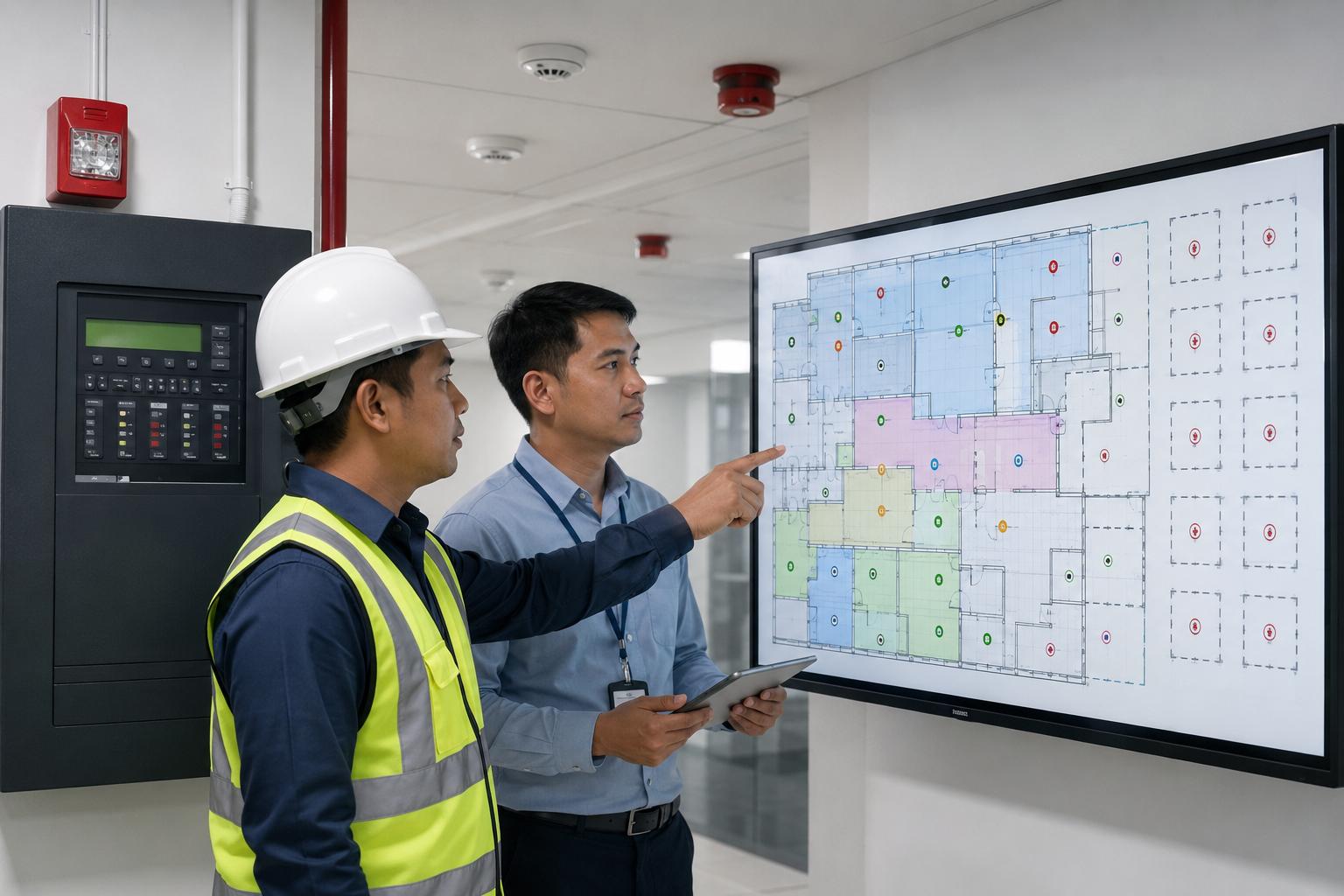
Understanding how the fire alarm aligns with your facility’s current operations and future requirements. Equipment that works for a small building may not give sufficient coverage for a developing industrial or commercial development.
Addressable vs. Conventional
Your building’s layout determines whether a conventional or addressable system is best. Conventional systems group alarms by general zones to signal the broad area of a fire, providing a practical, straightforward solution for smaller facilities with simple layouts.
For larger or more complex properties, addressable systems assign a unique digital identity to every individual detector. When an alarm triggers, the system pinpoints the exact location of the threat, allowing emergency teams to respond without wasting precious seconds searching the building.
Industrial PH offers advanced configurations that tailor the right system to your facility’s size and safety goals, while providing dependable, long-term technical support.
Scalability
Choose a fire alarm system that can cater to future changes in your building. Business expansion, renovations, and additional equipment may call for additional detectors, notification devices, or monitoring capabilities. A scalable system enables new components to be integrated without replacing the whole setup, making the investment more worthwhile for day-to-day operations.
Coverage and Environment
Fire detectors must be chosen based on where they will operate, not just where it will be installed. Varying surroundings create different challenges that influence how quickly and accurately a system can detect the event risks.
Detector Placement
Strategic placement ensures early detection. Before finalizing your system design, evaluate how facility features like ceiling heights, room layouts, and airflow patterns might obstruct or delay smoke and heat from reaching the sensors.
Environmental Suitability
Harsh environments with dust, high humidity, extreme temperatures, or chemicals require specialized detectors. Matching your equipment to your specific site conditions prevents costly false alarms, delayed notifications, and premature system failure.
Notification Devices and Remote Monitoring
A reliable system must instantly alert both on-site occupants and remote teams. Ensure your setup combines immediate audible and visual alarms with remote monitoring platforms, allowing facility managers to receive real-time updates and respond quickly from anywhere.
Power and Reliability
A fire alarm system must remain functional even during unforeseen events, including power interruptions. Analyzing the system’s dependability ensures that safety protection continues when structures need it most.
Battery Backup
Fire emergencies often trigger power failures, meaning your system cannot rely solely on the main electrical grid. Verify that the backup battery capacity can fully power all connected devices—including panels, detectors, and alarms—to ensure uninterrupted monitoring and communication during a blackout.
Wire vs. Wireless
Choose an infrastructure that fits your building. Wired systems use physical cables and are ideal for new construction where pathways can be easily planned. Wireless systems use secure radio signals, making them perfect for retrofitting existing structures or renovations where running new wires is difficult.
Installation and Maintenance
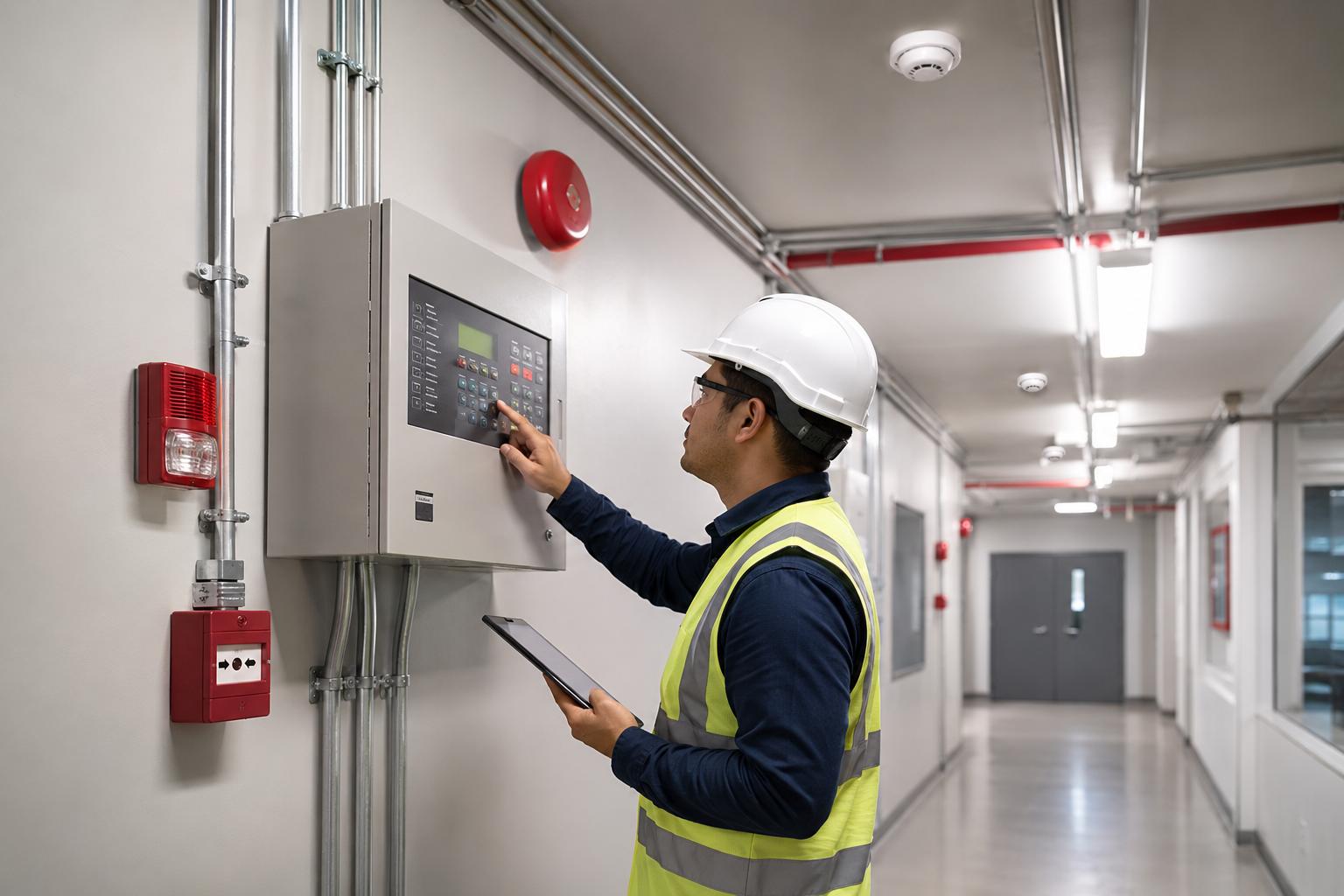
Reliable fire alarm partners should help assess your facility, design the right system layout, properly complete the installation, and provide ongoing technical assistance throughout the system’s lifespan.
Installation Requirements
Verify whether the provider conducts a site assessment before installation, because it needs meticulous planning of device locations, system configuration, programming, and compliance verification. This process allows the team to assess factors such as facility layout, occupancy type, environmental conditions, and potential fire hazards before recommending a specific fire detector unit.
Maintenance and Warranty
Learn the maintenance services included in the manufacturer’s offering, such as preventive checks, troubleshooting support, replacement of faulty parts, and system performance. A supplier that offers comprehensive technical assistance and good service options gives you greater confidence knowing that your investment will remain functional and compliant all throughout.
Key Takeaway
Knowing what to check before finalizing a fire alarm system purchase helps procurement officers make smarter decisions. By reviewing compliance, system type, scalability, compatibility, and installation requirements, businesses can invest in a fire protection solution.
Industrial PH offers trusted Fire Detection and Alarm Systems (FDAS) designed to meet the safety requirements of commercial, industrial, and specialized facilities. With expertise in system selection, installation, and support, we support organizations to choose alarms that improve fire protection and long-term safety. Reach out to us today to learn more.

