How Facility Managers Can Prevent Fire Detection Blind Spots
 May 6, 2026

Overview
- Internal structural changes can create dangerous blind spots in fire detection.
- To maintain safety, facility managers must upgrade to advanced hardware like addressable or aspirating systems, optimize detector placement around airflow and dead-air zones, and integrate alarms with centralized building management and video analytics.
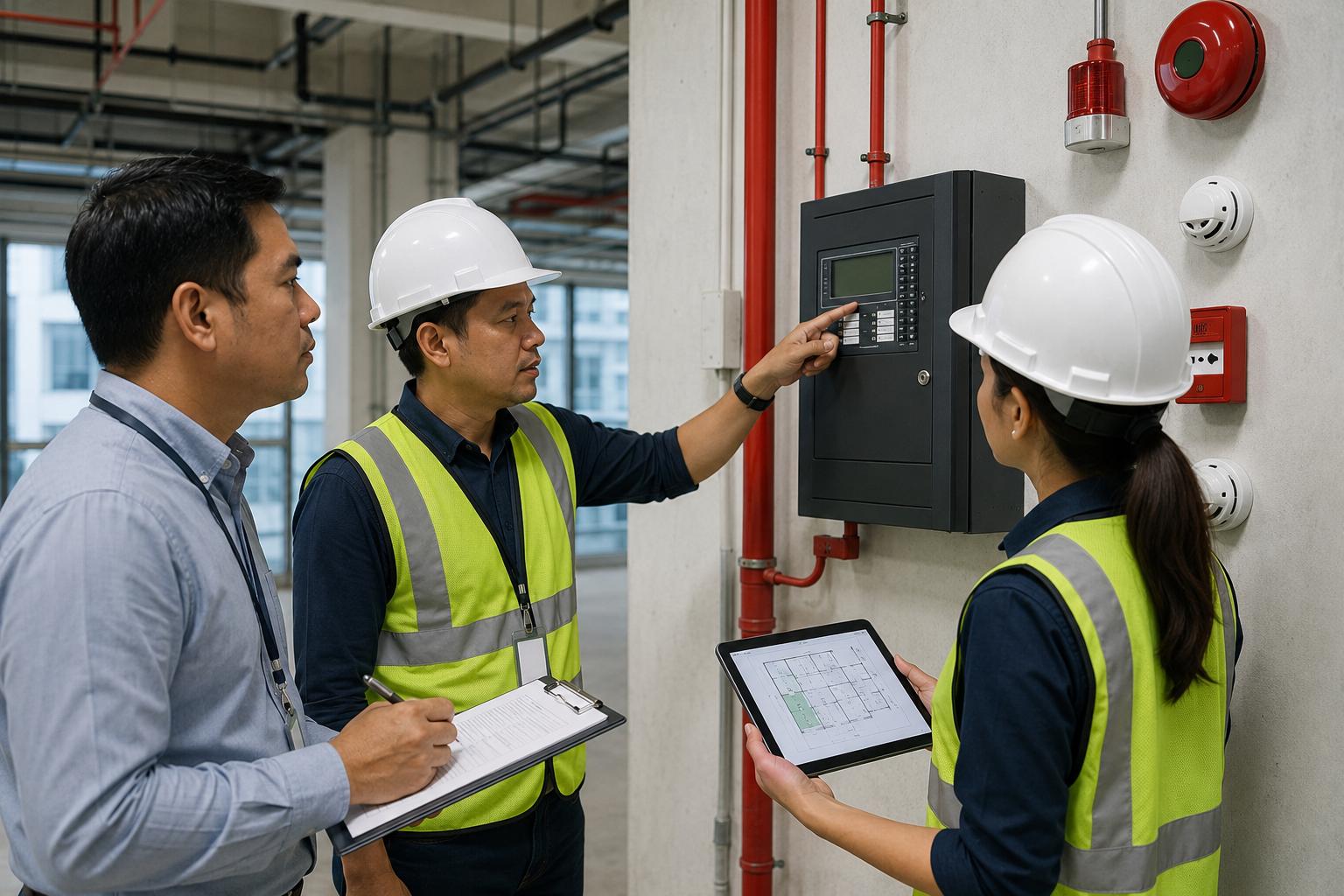
A fire detection system doesn’t have to be defective to fail—sometimes, internal structural changes block it. Installing new machinery, modifying layouts, altering HVAC airflow, or overlooking sensor placement can easily prevent smoke and heat from reaching detectors, creating dangerous blind spots.
This introduces a critical operational challenge: ensuring your Fire Detection and Alarm System (FDAS) evolves alongside your business. In this article, we look at how facility managers prevent fire detection blind spots as operations change, and outline how to select the right, compliant fire alarms in the Philippines to keep your property permanently protected.
Advanced Equipment Upgrades
Traditional fire detection systems only trigger when smoke or heat directly touches a sensor. However, modern industrial layouts—with complex airflow, high ceilings, and varied materials—cause fires to develop unpredictably. Upgrading to advanced hardware is essential to keep pace with these evolving risks and prevent dangerous blind spots.
Addressable Fire Alarms
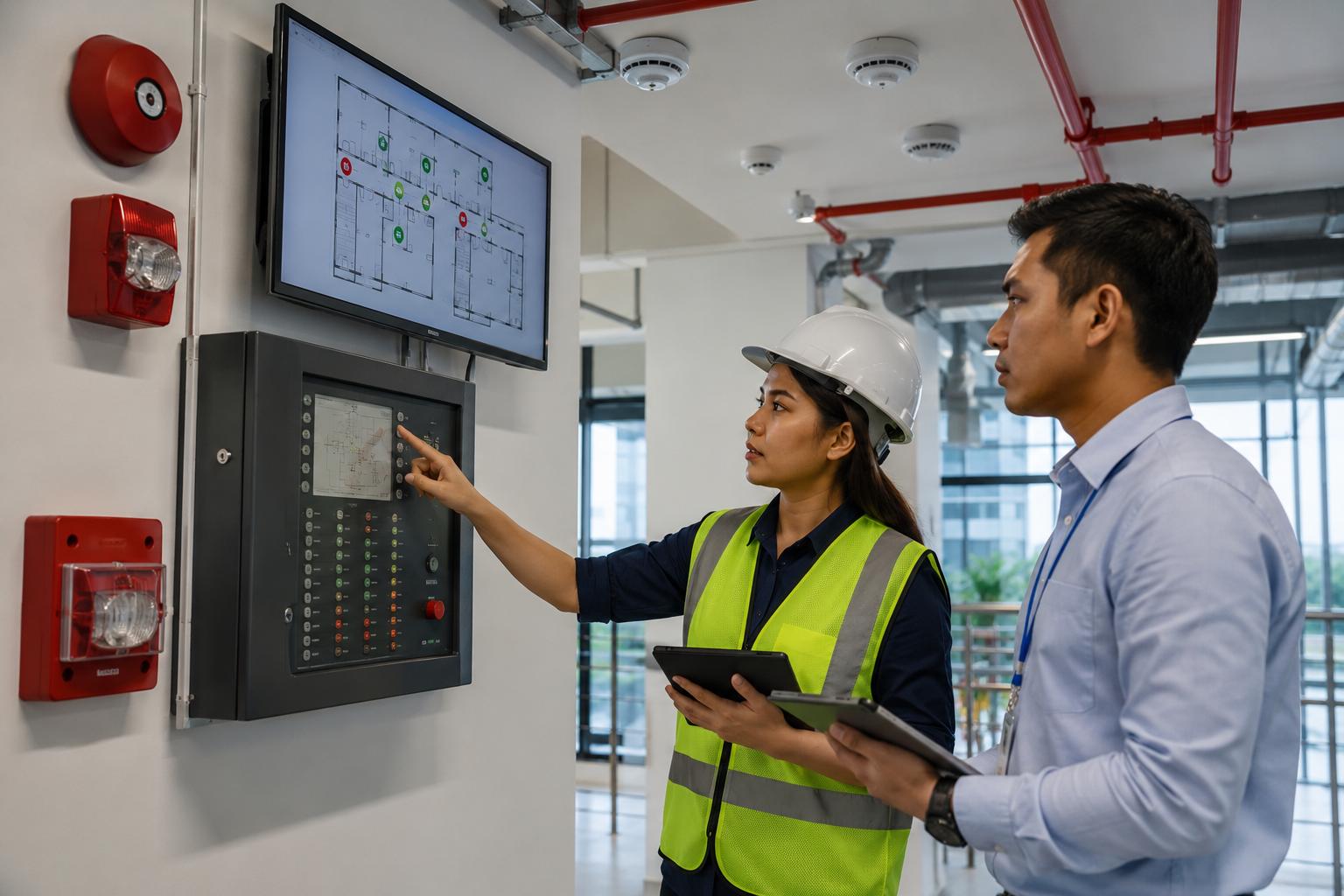
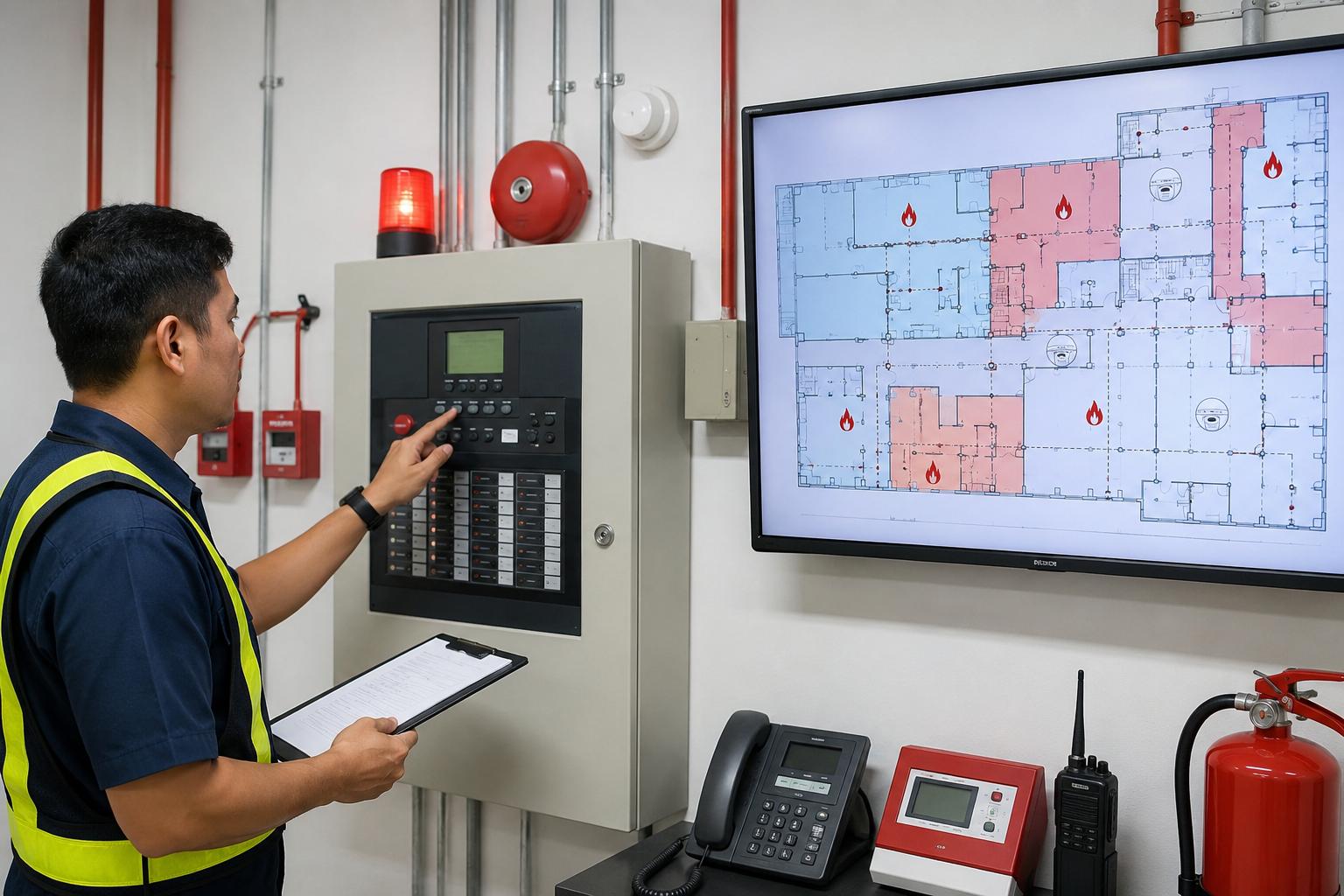
Addressable fire alarms are ideal for facilities requiring fast incident identification and precise tracking. Unlike standard systems that only indicate a broad zone, addressable systems assign a unique digital identity to each detector. This completely eliminates the need to manually search through massive areas to locate the source of an alarm.
Multi-Sensor Detectors
Fires behave unpredictably; some produce thick smoke immediately, while others generate intense heat or microscopic combustion particles long before smoke becomes visible. By combining technologies such as optical smoke profiling and thermal detection into a single device, multi-sensor detectors evaluate multiple indicators simultaneously. This drastically reduces false alarms while accelerating real emergency responses.
Where to deploy them: Use these detectors in environments prone to sudden temperature fluctuations or ambient particulate matter, such as manufacturing lines, electrical rooms, commercial kitchens, and production areas.
Alternative Sensors
High-ceiling warehouses, cold storage facilities, cleanrooms, and high-airflow zones can prevent smoke from reaching standard ceiling detectors quickly. For these challenging environments, Aspirating Smoke Detection (ASD) systems offer a highly effective alternative. Instead of waiting passively, ASD units use an internal fan to actively draw air samples through a network of pipes, detecting pre-combustion particles minutes before a fire escalates.
Strategic Placement and Code Compliance
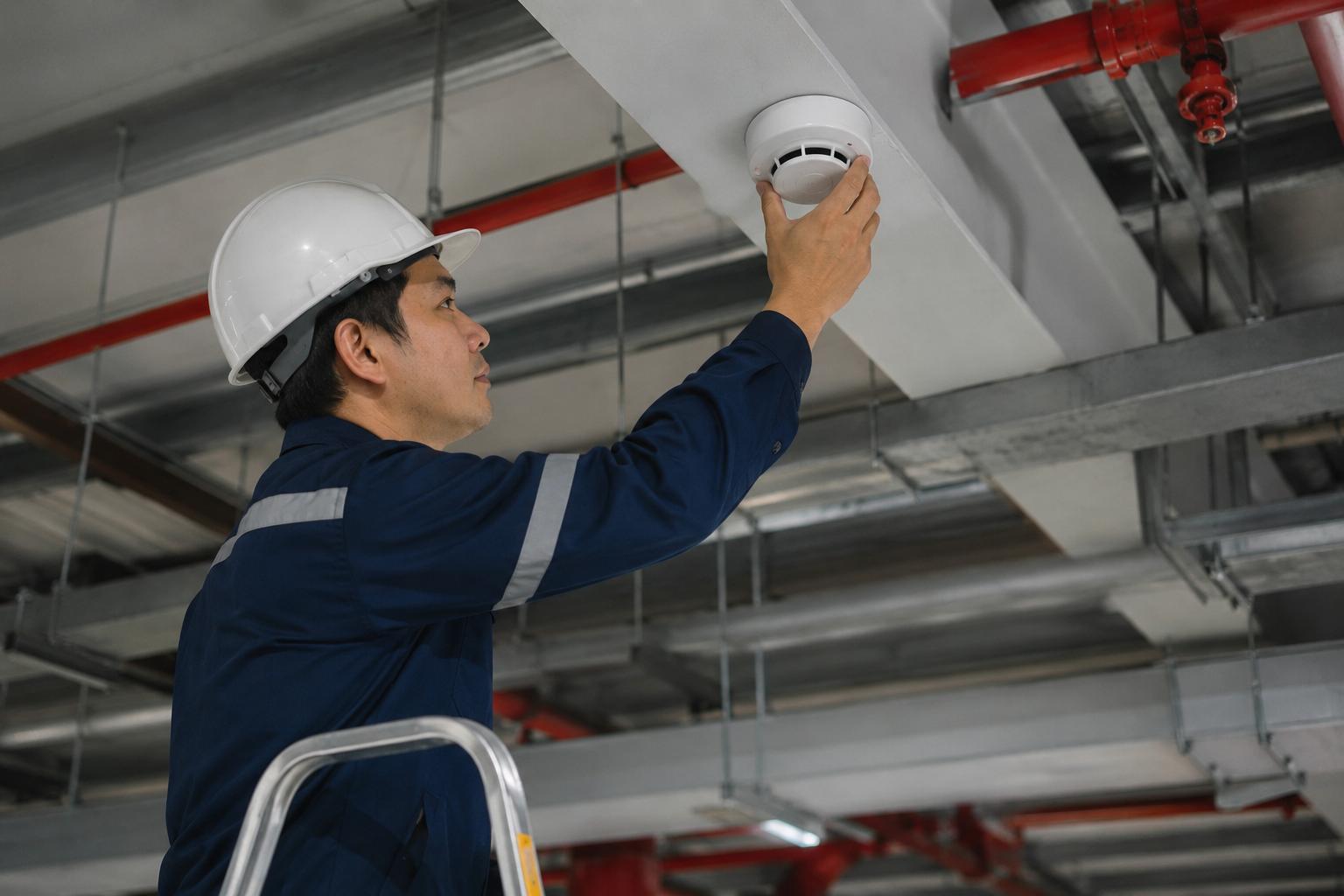
A fire detector is only effective if it is positioned where smoke, heat, or flames can realistically reach it. Poor positioning is one of the most common causes of fire detection blind spots, as even a perfectly functioning sensor cannot respond to hazards it cannot physically sample.
Mapping Dead-Air Zones
Conducting regular spatial evaluations helps identify “dead-air” zones where smoke may not naturally travel. These stagnant pockets typically occur near ceiling corners, protruding structural beams, enclosed spaces, or sections obstructed by large machinery and high-density storage racks.
To eliminate coverage gaps, facility managers should map out their actual physical layout against existing detector locations, repositioning sensors or adding new detection points wherever physical structures limit smoke movement.
HVAC and Airflow Management
Airflow heavily dictates how smoke travels. Strong ventilation can push smoke away from sensors, while air-conditioning vents can dilute smoke and delay alarms. Evaluating airflow paths, supply registers, and return vents ensures that detectors are positioned where smoke naturally accumulates rather than where it is blown away.
To optimize these dynamics, Industrial PH provides advanced HVAC solutions that deliver precise control over air movement, temperature, and ventilation. The right setup ensures your comfort and safety systems work seamlessly together.
Hidden Area Coverage
Effective fire safety planning must extend to overlooked spaces that see little daily foot traffic but carry high inherent risks. Electrical rooms, utility closets, maintenance voids, and equipment enclosures frequently house critical electrical components, mechanical gear, or stored materials that can spark a fire.
Extending tailored detection coverage into these hidden areas ensures that a localized malfunction is caught immediately, before it can breach walls and spread throughout the facility.
Regular Audits and Maintenance
Regular maintenance and layout reviews are essential to keep your fire detection system working as your facility changes.
- Layout Adjustments: Reassess detector placement after any expansion, equipment move, or renovation. Move or add sensors if new layouts block smoke and heat from reaching them.
- Routine Cleaning & Testing: Clean dust and debris from every device regularly, and conduct sensitivity testing to ensure sensors respond quickly during an emergency.
Integration with Building Management Systems (BMS)

Connecting your fire detection system to a centralized BMS replaces isolated alarms with unified oversight. This enables a single interface to monitor fire alerts alongside other facility conditions and automates time-critical safety protocols during an emergency:
- HVAC Shutdown: Instantly shuts off fans to prevent oxygen from feeding the fire or spreading smoke.
- Smoke Exhaust: Activates smoke spill fans and pressurizes stairwells to keep evacuation routes clear.
- Access Control: Automatically unlocks electronic doors along exit paths to prevent bottlenecks.
Video Analytics and Security
In expansive layouts such as high-ceilinged warehouses or high-airflow zones, smoke can dissipate before reaching standard ceiling sensors. Integrating intelligent video analytics adds a visual layer of early detection.
Smart security cameras running flame- and smoke-recognition algorithms continuously scan open spaces, identifying fire plumes within seconds by sight. Linking these cameras to your fire alarm system allows control room operators to instantly verify live hazards, pinpoint their exact locations, and coordinate rapid, precise emergency responses.
Key Takeaway
Understanding how facility managers prevent fire detection blind spots starts with continuous improvement, not just initial system installation.
Industrial PH provides adequate Fire Detection and Alarm Systems (FDAS) built to help businesses strengthen their fire safety strategy. With solutions based on varying facility requirements, we support organizations in improving detection coverage, system reliability, and emergency preparedness. Reach out to us today to learn more!