Common Fire Hazards in Philippine Facilities and How to Address Them
 January 9, 2026
Overview
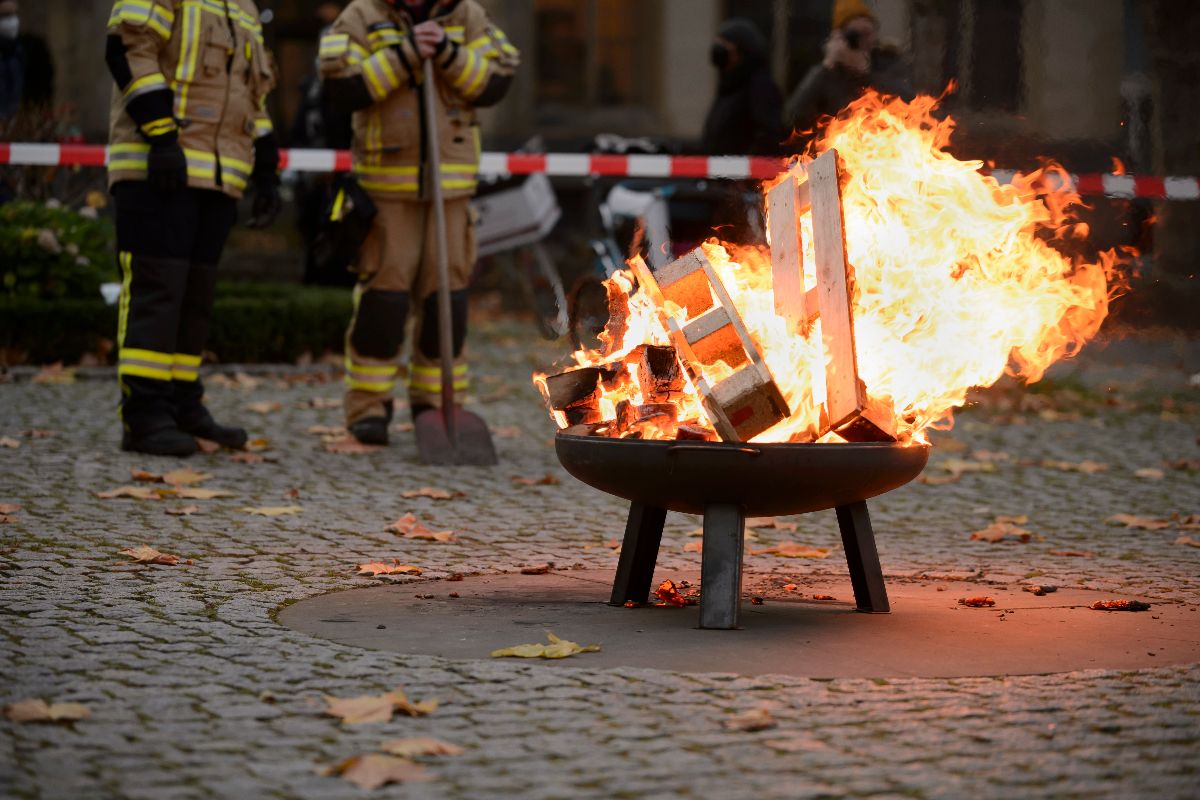
- Industrial facilities in the Philippines face significant fire risks stemming from flammable materials, combustible waste, faulty electrical systems, poorly maintained machinery, grease accumulation, inadequate containment, and blocked emergency exits.
- These hazards not only endanger employees but also threaten business continuity and assets.
- Effective fire prevention combines awareness, adherence to the Philippine Fire Code (RA 9514), and proactive measures such as fire-resistive construction, properly maintained detection and suppression systems, clear egress routes, regular inspections and drills, and routine electrical maintenance.
Maintaining a safe industrial environment requires more than routine protocols. It starts with recognizing fire hazards in Philippine facilities that can quickly escalate if overlooked. From combustible materials to aging electrical systems, identifying these risks is essential to building a safer and more compliant workplace.
Many incidents in the country trace back to a handful of preventable causes consistently noted by the Bureau of Fire Protection (BFP). By understanding the most common hazards, you can prioritize effective preventive measures. This proactive approach protects employees, safeguards assets, and supports uninterrupted operations.
Flammable Materials
Flammable substances such as chemicals, fuels, paints, and solvents are common in industrial settings. If not stored properly, these materials can ignite from heat, sparks, or open flames.
Fires involving flammable substances spread rapidly, putting employees at risk of burns or smoke inhalation and potentially destroying expensive machinery or inventory.
Combustible Waste and Clutter
Excessive paper, cardboard, packaging materials, and textiles can serve as fuel during a fire. Cluttered workspaces not only increase fire intensity but also obstruct escape routes, making evacuation slower and more dangerous for personnel.
Fires fueled by combustible waste can quickly escalate, causing operational downtime and costly damage.
Overloaded or Faulty Electrical Systems
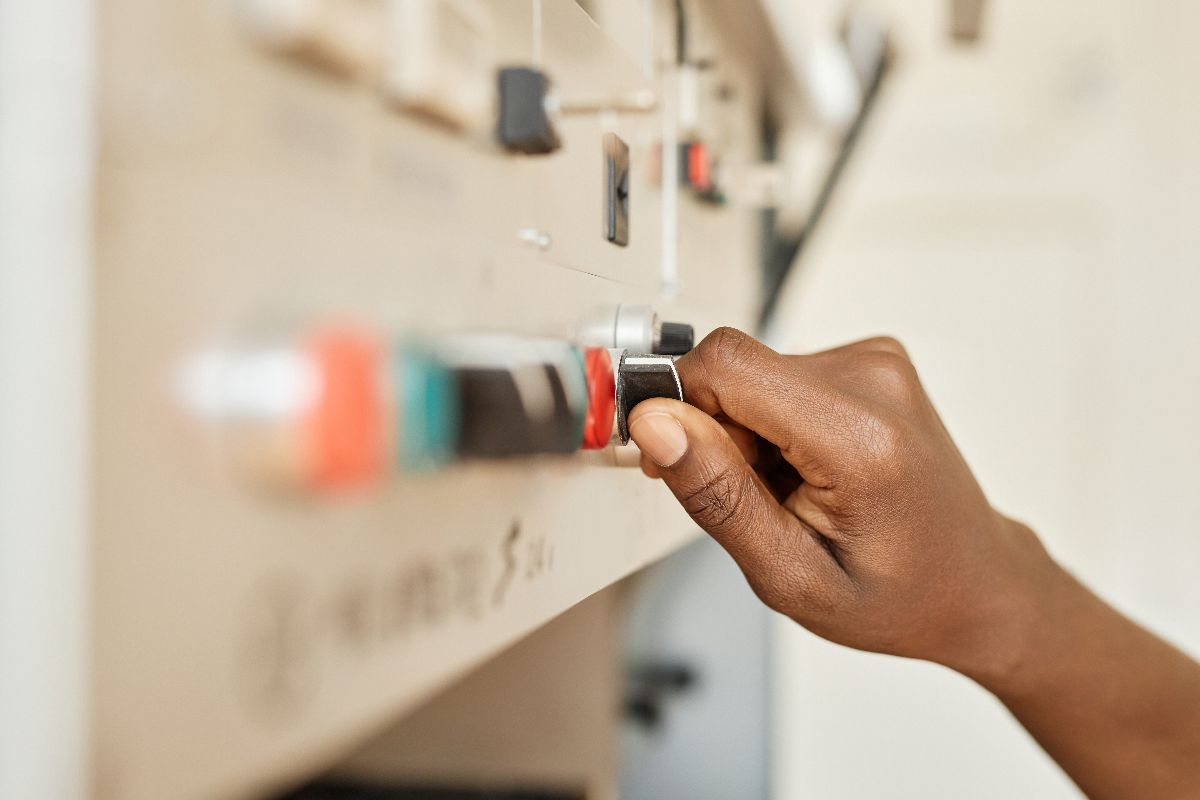
Electrical fires are a leading cause of industrial incidents. Overloaded circuits, exposed wiring, and outdated equipment can produce sparks that ignite surrounding materials.
Such incidents can halt production, damage sensitive equipment, and pose severe injury risks to employees working in the area.
Poorly Maintained Machinery
Machinery that is neglected and improperly maintained can overheat, produce sparks, or leak flammable fluids, all of which are potential fire triggers.
Equipment-related fires can disrupt operations for days, result in expensive repairs, and put employees working near the machinery in immediate danger.
Grease and Oil Accumulation in Kitchens
There are significant build-up of grease and oil residue within exhaust hoods, ducts, and filters in cafeterias and kitchens. Once ignited, this creates an extremely fast-moving, high-temperature duct fire that quickly spreads across long ventilation pathways.
Risking the loss of food service and exposing personnel to rapidly expanding flames and smoke inhalation.
Inadequate Fire Containment Structures
Walls, doors, and partitions that are not designed to resist fire allow flames and smoke to move quickly throughout a facility.
Without proper containment, even a small fire can escalate into a major incident, putting more employees at risk and causing significant damage to property and equipment.
Blocked or Insufficient Emergency Exits
Obstructed or poorly marked exits are a major fire hazard in industrial facilities. Examples include storage boxes blocking doors, equipment in corridors, or emergency doors chained shut.
During a fire, such limitations can trap employees, slow evacuation, and increase the risk of injuries or fatalities. Delayed access also hampers firefighters’ response, allowing flames and smoke to spread more rapidly and potentially causing greater damage to property and operations.
Fire Protection Standards and Preventive Measures
Preventing fires in industrial facilities requires a combination of awareness, structured safety protocols, and adherence to legal standards.
The Philippine Fire Code (RA 9514) establishes guidelines for fire prevention, suppression, and preparedness in workplaces. Below are key measures to strengthen fire safety in Philippine industrial environments.
Fire-Resistive Construction
Fire-resistive construction helps contain fires at their point of origin, preventing rapid spread throughout the facility. Maintaining the integrity of fire separation walls, fire doors, and fire dampers is essential to slow fire and smoke movement between zones.
All utility penetrations—such as cable trays, piping, and conduits—must be sealed using certified firestopping systems to ensure barriers remain effective. Regular third-party inspections support ongoing compliance and help facilities identify issues before they become life-safety risks.
Fire Protection Systems
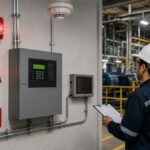
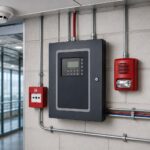
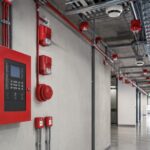
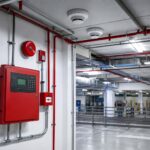
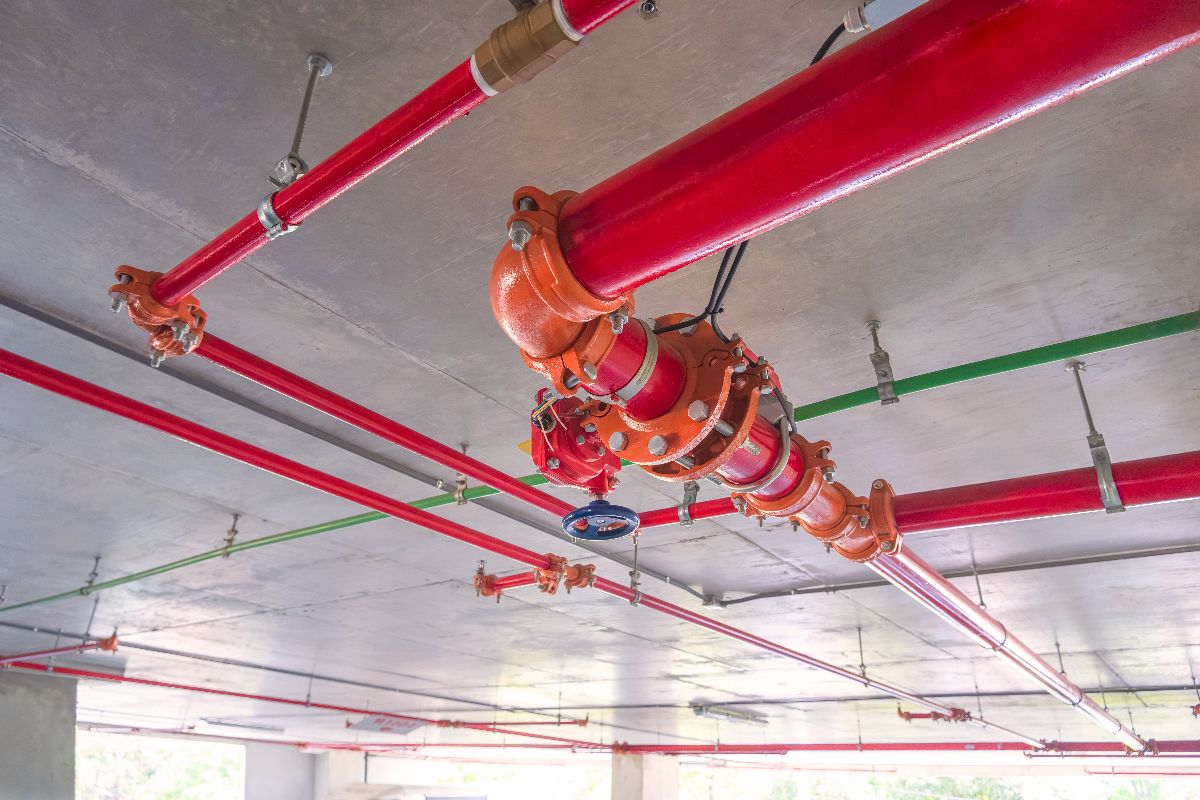
Fire protection systems serve as the facility’s first line of defense, enabling early detection and suppression before hazards escalate. All fire detection and alarm systems (FDAS), sprinkler systems, and standpipes must be inspected, tested, and maintained according to BFP standards and manufacturer requirements to ensure full operational reliability.
Industrial PH provides comprehensive fire protection solutions, including conventional, addressable, and wireless FDAS, tailored to the specific needs of your facility. Our team can assist with system design, installation, and ongoing preventive maintenance, ensuring alarms, sprinklers, and extinguishers are always operational and compliant.
Regular routines should include quarterly alarm testing, annual sprinkler flow tests, and verification that all fire extinguishers are correctly rated, sufficient in number, and fully charged—giving you peace of mind that your facility is protected.
Clear Egress Routes
Clear egress routes are critical for life safety because they allow personnel to evacuate quickly during a fire. Implementing a zero-tolerance policy against blocked exits, corridors, and stairwells ensures that escape pathways remain accessible at all times.
Facilities must also maintain visible, properly illuminated exit signage and conduct monthly emergency lighting tests to guarantee visibility during power failures. These measures reduce evacuation delays and help prevent casualties.
Regular Inspection And Drills
Regular inspections and drills help reinforce fire safety awareness and ensure all occupants can respond properly during emergencies. Facilities should conduct daily housekeeping checks to remove combustible waste, clutter, and obstructions that may increase fire risk.
Monthly internal safety audits help identify developing hazards before they escalate into incidents. Mandatory, documented fire and evacuation drills—ideally conducted twice a year—ensure personnel understand evacuation routes, assigned roles, and proper response protocols.
Proper Electrical Maintenance
Proper electrical maintenance directly reduces the likelihood of ignition sources stemming from faulty wiring or overloaded circuits. Facilities must schedule annual electrical audits certified by a Professional Electrical Engineer (PEE) to verify system integrity and safety.
Any repairs, upgrades, or modifications should only be handled by licensed electricians and documented for compliance. The use of non-industrial extension cords must be prohibited, and electrical loads must be actively managed to prevent overheating and overloading, both of which are common causes of industrial fires.
Key Takeaway
Mitigating common fire hazards in Philippine facilities is a continuous commitment, not a one-time project. By understanding the core risks and implementing the stringent standards, you can create a resilient and safe operational environment, protecting both the longevity of your business and the lives of your people.
To secure your facility with an advanced, BFP-compliant fire detection and alarm system, trust Industrial PH, a leading provider with 25 years of experience in the Philippines. Contact us today for a consultation on safeguarding your property and personnel.