Key Challenges in Managing Industrial Facilities in the Philippines
 December 26, 2025
What are the key challenges in managing industrial facilities in the Philippines?
- Technology and automation
- Infrastructure and logistics
- Workforce and skills
- Regulatory and compliance
- Operations and management
Overview
- Industrial facilities in the Philippines face operational pressures from aging infrastructure, evolving regulations, and daily demands that impact efficiency, safety, and compliance.
- Key challenges include fragmented technology, unreliable infrastructure/logistics, technical skill shortages, and complex regulatory obligations that create operational volatility when they intersect.
- Recognizing these interconnected challenges provides facility managers with the necessary insight to address weak points proactively and make informed decisions that ensure long-term efficiency, safety, and operational resilience.
Industrial facilities in the Philippines operate in a complex environment where growth comes with operational pressures. Aging infrastructure, evolving regulations, and the demands of daily operations can create obstacles that affect efficiency, safety, and compliance.
These factors are often interconnected—issues in one area, like outdated equipment or process bottlenecks, can ripple across operations and influence overall performance. Being aware of these patterns helps you understand where difficulties are most likely to arise.
To help you identify these issues before they become pressing concerns, here are the key challenges in managing industrial facilities in the Philippines.
Technology and Automation
Outdated or fragmented technology reduces real-time visibility and makes automation difficult to use effectively. When your sensors and control systems don’t share data, you lose the timely signals that reveal emerging faults or process drift.
This lack of connectivity typically results in missed alerts, scattered logs, and maintenance that occurs only after a failure — issues that directly increase unplanned downtime and obscure true equipment health. Multiple systems end up providing conflicting information rather than a single operational picture.
This is a structural challenge caused by decades of incremental purchases, disparate vendors, and procurement decisions that prioritize immediate cost over interoperability. In many facilities, the expense and disruption of replacing equipment mean legacy elements remain, perpetuating visibility gaps across operations.
Infrastructure and Logistics
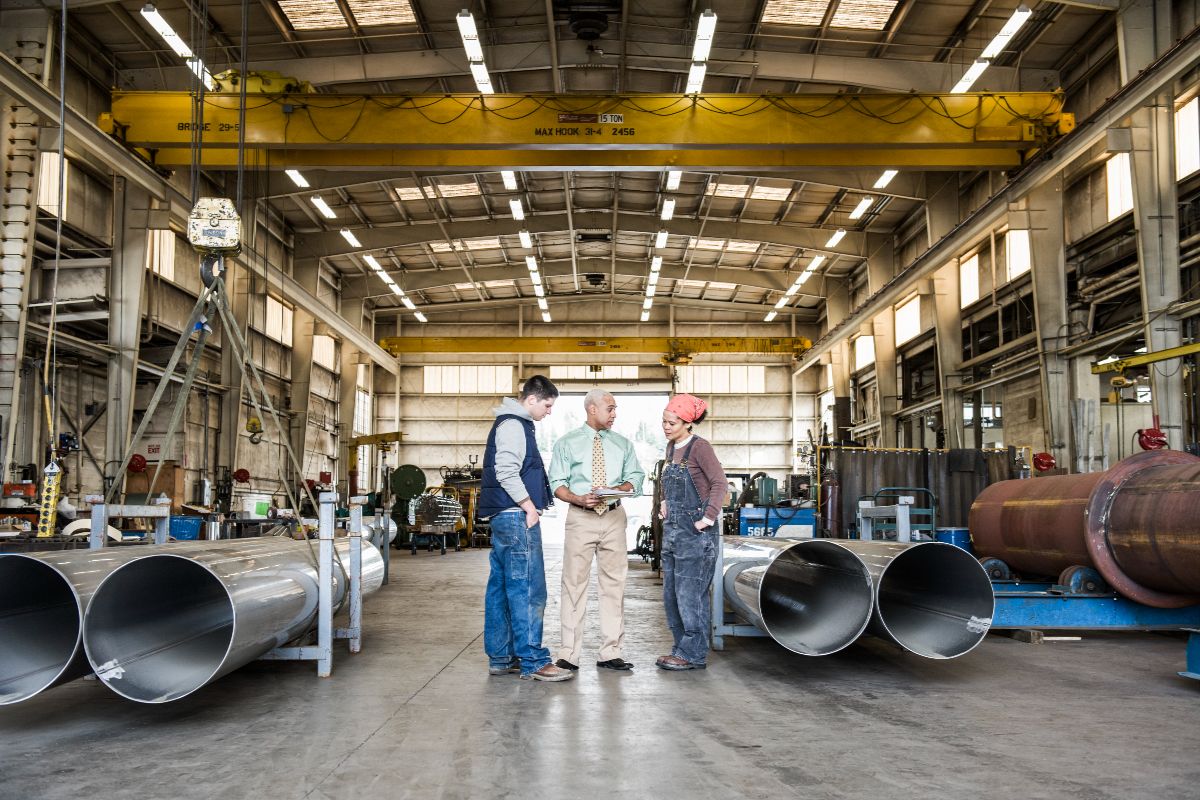
Unreliable utilities and constrained logistics create variability that must be absorbed in daily planning. Power spikes, intermittent supply, and transport delays directly interrupt production schedules and spare parts availability.
These interruptions compound operational friction: damaged electronics from voltage swings, missed shifts while waiting for inbound parts, and last-minute freight premiums to meet delivery windows. All of which increase operating expenses and reduce predictability.
These pressures often exist outside the plant yet are closely tied to its performance. They reflect broader infrastructure limitations, such as grid stability, port capacity, and seasonal weather, as well as regional supply chain patterns that facilities must manage in their operational planning.
Workforce and Skills
Shortages in technical skills and uneven workforce competency reduce the ability to keep processes steady. When staff lack hands-on experience with specific equipment or control logic, troubleshooting slows, and fixes are often temporary.
Turnover, retirement of senior technicians, and weak training pipelines create recurring knowledge gaps, resulting in inconsistent maintenance quality, longer mean time to repair, and variability between shifts. Operations then depend heavily on individuals rather than repeatable systems.
This challenge is systemic in regions where vocational training, apprenticeships, and industry-specific certifications are limited. The issue is less about single hires and more about the labor market and the mechanisms through which practical skills are developed and retained.
Regulatory and Compliance

Regulatory obligations for industrial sites in the Philippines often demand continuous attention and accurate documentation; lapses create visible operational risks. Permits, safety reporting, emissions records, and audit trails all require reliable processes and timely updates.
When documentation or inspections fall behind, consequences are immediate: interrupted permits, inspection holds, or remediation orders that force operational changes and divert management attention. Even small administrative oversights can cascade into significant disruptions.
This challenge is shaped by evolving regulations and the administrative capacity required to track them. Sustaining workflows, recordkeeping, and internal controls is critical to ensure compliance is a steady operational state rather than an occasional scramble.
Operations and Management
Operational unreliability often arises where fragmented systems, external pressures, workforce gaps, and regulatory demands intersect. It typically manifests as recurring stoppages, inconsistent quality, or planning that constantly reacts to short-term disruptions.
Without integrated visibility across production, maintenance, and quality, root causes remain hidden behind symptoms. Teams tend to address the latest failure rather than the upstream pattern that caused it, driving cyclical firefighting and eroding improvement capacity.
At its core, this is an organizational alignment challenge. When responsibilities and information flows are not aligned, operational volatility becomes part of the baseline rather than an exception.
When to Seek Expert Support for Your Facility
Knowing when to bring in outside help can save your facility time, money, and operational headaches. One key sign is when recurring equipment failures or process issues persist despite internal troubleshooting; experts can quickly identify the root cause that may not be obvious.
Another indication is when compliance or safety concerns start piling up—external specialists can guide you through audits, permits, and regulatory requirements to keep your operations aligned with standards.
Finally, if operational bottlenecks are limiting efficiency or affecting production, getting expert advice ensures you optimize critical processes without prolonged downtime.
Enhance Your Facility’s Efficiency with Industrial PH
At Industrial PH, we support industrial facilities with a range of products and services that help improve overall operations. From machinery and HVAC systems to water treatment and quality control equipment, we provide solutions designed to work together efficiently.
By taking a more integrated approach, you can identify opportunities to optimize multiple aspects of operations—from initial design to installation and ongoing service—without disrupting daily workflows. This helps facilities see where improvements can have the most impact.
Our team collaborates with you to develop upgrade plans that suit your facility’s specific needs and operational goals. With Industrial PH, we aim to make efficiency and reliability improvements practical and manageable for long-term performance.
Key Takeaway
Becoming aware of the challenges in managing industrial facilities in the Philippines gives you the insight to address weak points before they disrupt your operations. By understanding the factors that shape your facility’s performance, you can make informed decisions that improve efficiency, safety, and long-term resilience.
Minimize the challenges of running your industrial facility with solutions from Industrial PH. Our expertise and durable materials help improve workflow, ensure safety, and maintain smooth operations. Contact us today to learn how we can support your facility management needs.