Common Wall and Celling Problems in Industrial Spaces (and How FRP Panels Fix Them)
 December 12, 2025
What are common wall and ceiling problems in industrial spaces?
- Structural damage
- Water damage
- Wear and tear
- System-related issues
- Debris and dust buildup
- Poorly secured fixtures
Overview
- Industrial spaces face constant stress from moisture, temperature changes, and operational wear, leading to cracks, stains, and other wall and ceiling problems that can disrupt safety and efficiency.
- Common issues like structural damage, water intrusion, wear and tear, system-related problems, dust buildup, and poorly secured fixtures can be effectively mitigated using durable, moisture- and corrosion-resistant FRP panels.
- Early identification of wall and ceiling problems allows industrial facilities to maintain safety, hygiene, and efficiency while investing in long-term, low-maintenance solutions like FRP panels.
Industrial spaces such as warehouses, processing facilities, and manufacturing plants face constant exposure to moisture, temperature fluctuations, and heavy operational wear. Even the sturdiest walls and ceilings can start showing cracks, stains, or other signs of deterioration over time.
These issues can disrupt operations, compromise hygiene, and create safety or compliance concerns. Left unchecked, they may also lead to higher maintenance costs and inefficiencies that affect overall productivity.
To help you identify potential issues in your facility, here are the most common wall and ceiling problems in industrial spaces, along with how FRP panels offer durable, low-maintenance solutions to keep your facility protected and operational.
Structural Damage
Industrial walls and ceilings take the brunt of vibration and impact every day. Cracks and chips often start as hairline imperfections near machinery or loading bays—early signs that materials are straining under constant pressure.
Traditional drywall and metal cladding, though sturdy at first, aren’t built for continuous stress. You might notice seams shifting or corners flaking as temperature changes and vibration weaken rigidity.
Left unaddressed, these minor faults multiply into widespread fatigue that compromises both safety and operational consistency.
Water Damage
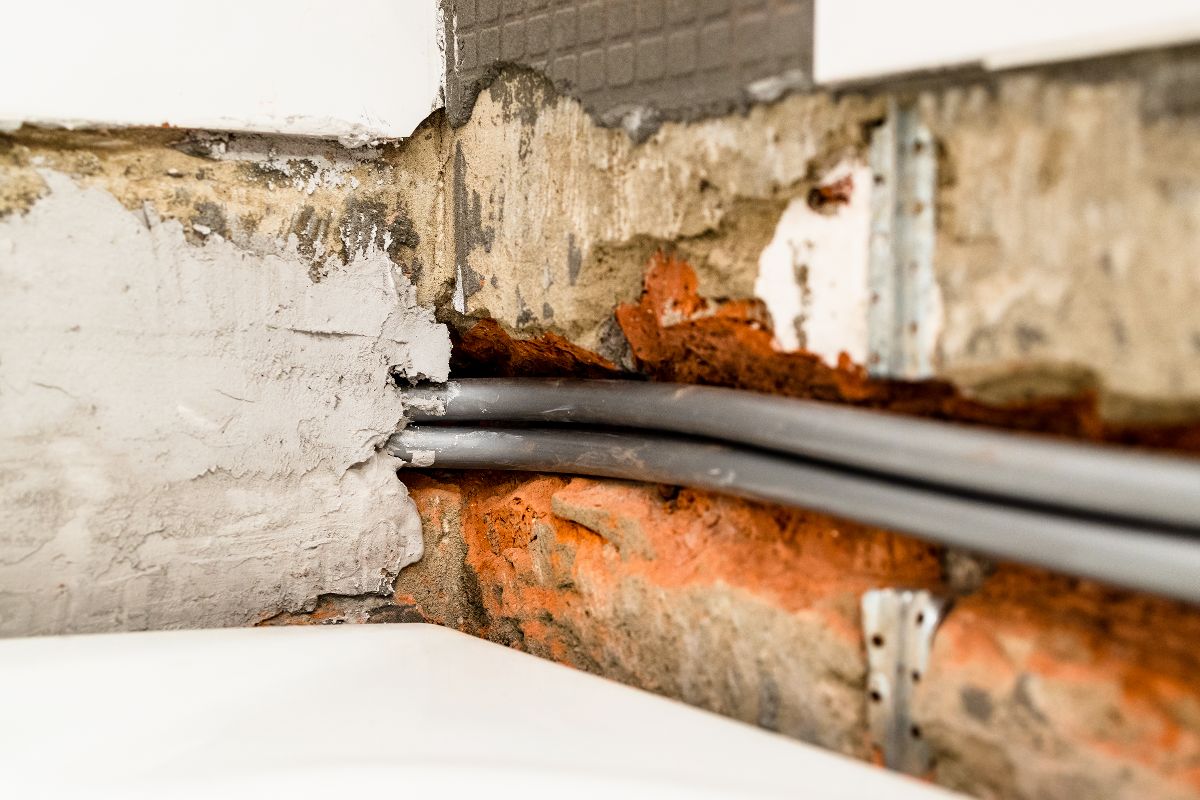
Moisture is one of the most persistent challenges in industrial facilities. It seeps into walls and ceilings through leaks, condensation, or damaged pipes, causing swelling panels, bubbling paint, or softened surfaces.
Spaces such as cold storage areas or processing zones face this daily. Even light moisture can breed mold and mildew, especially where hygiene standards are strict.
In the Philippines, the warm, humid climate amplifies this issue—frequent rainfall and condensation cycles push water into every gap, making damage a recurring concern in industrial operations.
Wear and Tear
Industrial environments rarely rest. Forklifts, carts, and cleaning equipment collide with walls daily, while harsh chemicals strip protective coatings. You might notice paint peeling or corrosion forming even after routine upkeep.
These effects build up faster than maintenance schedules can manage, especially near production floors or high-traffic zones.
Because every surface endures continual impact and exposure, wear and tear become an unavoidable cycle that erodes both appearance and structural integrity.
System-Related Issues
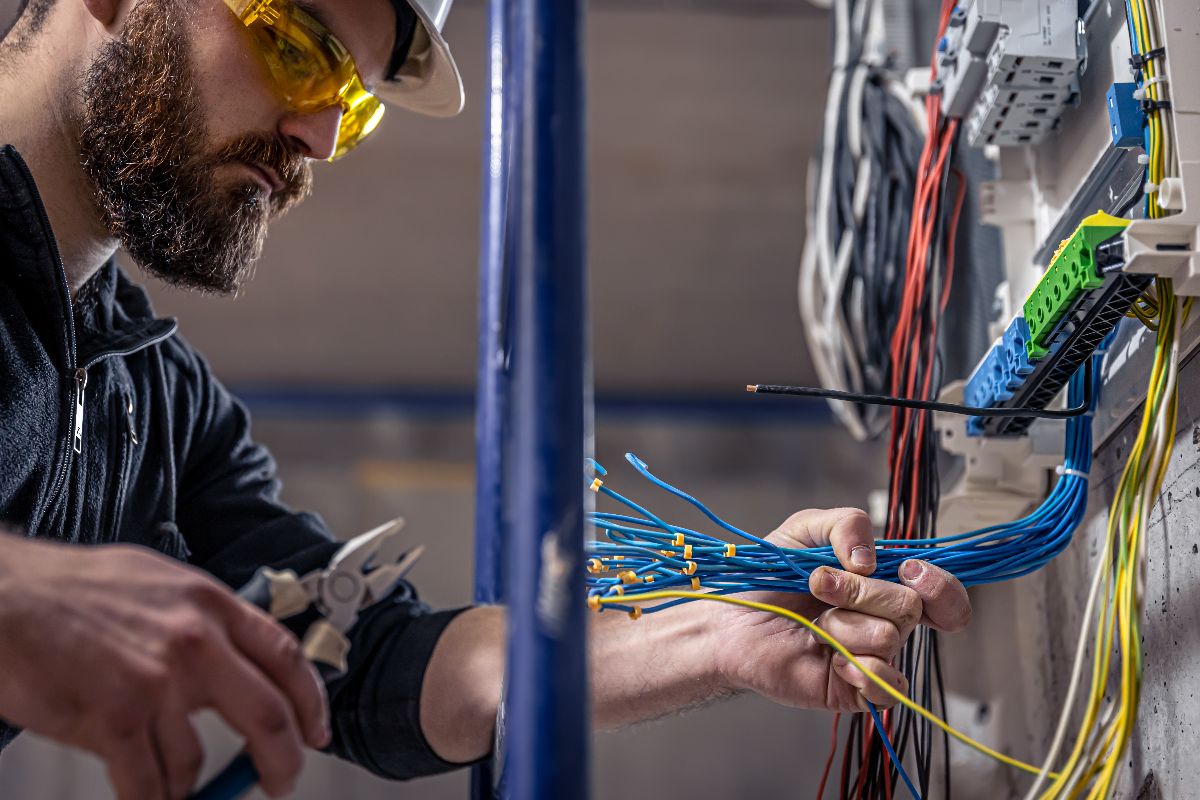
System-related issues occur when HVAC systems, plumbing, or insulation components malfunction. Condensation, leaks, or temperature imbalances leave stains, corrosion, or cracks near vents and pipelines.
These problems develop gradually, often unnoticed until visible damage appears. Poor insulation or unmanaged humidity accelerates material decay, leading to costly restorations.
In facilities that depend on stable environmental control, these system issues quietly undermine both productivity and hygiene.
Debris and Dust Buildup
Debris and dust buildup are inevitable in active industrial spaces. Fine particles cling to textured walls and ceilings, especially in hard-to-reach corners. Over time, gray layers form along beams or seams, resisting normal cleaning.
Porous surfaces trap these particles deeper, turning simple upkeep into a time-consuming task. Cutting, grinding, or packaging areas face the heaviest buildup.
Beyond appearance, this accumulation affects air quality and ventilation, putting both equipment and workforce health at risk.
Poorly Secured Fixtures
Fixtures in industrial environments face constant strain. Shelves, conduits, and mounted systems loosen over time as bolts shift from vibration and use.
Weaker or uneven wall materials struggle to hold these loads securely, forcing you to tighten mounts more often than replace them.
These small misalignments may seem minor but create growing safety risks, especially where suspended or load-bearing fixtures are involved.
How FRP Panels Fix These Problems
After identifying issues in your facility, it’s natural to look for materials that can better withstand the daily stress of industrial operations. This is where Fiberglass Reinforced Plastic (FRP) panels stand out.
Engineered to be suitable for harsh or cleanliness-sensitive environments, here’s how these panels can help address common wall and ceiling problems in industrial spaces:
- Durability: FRP panels resist cracking, chipping, and impact damage, maintaining their structure even under demanding conditions.
- Moisture Resistance: Unlike drywall or wood, FRP is nonporous, preventing water infiltration, mold growth, and mildew buildup.
Corrosion Resistance: These panels withstand exposure to chemicals, cleaning agents, and humidity without degrading. - Easy Maintenance: Smooth, seamless surfaces simplify cleaning and reduce the time needed for sanitation.
- Long-Term Performance: With minimal need for repainting or replacement, FRP ensures a lower total cost of ownership.
- Structural Support: Properly installed FRP systems can integrate with reinforced backers, ensuring fixtures and fittings remain securely mounted.
Find Reliable FRP Panels for Your Facility at Industrial PH
At Industrial PH, we understand that maintaining durable, compliant, and easy-to-clean surfaces is essential to your operations. That’s why we offer high-quality FRP wall and ceiling panels built to perform in demanding industrial environments.
Our panels combine strength, hygiene, and long-term efficiency—helping you reduce maintenance downtime and protect your facility from recurring wall and ceiling issues. With our reliable products and technical support, you can focus on running your operations smoothly while keeping your spaces clean and compliant.
Whether you’re upgrading a food processing plant, warehouse, or production facility, we’ll help you create a safer, more resilient environment that lasts.
Key Takeaway
Being able to identify issues within your wall and ceiling systems helps you understand how they affect safety, hygiene, and efficiency in your operations. Recognizing these problems early allows you to plan better maintenance strategies and explore long-term solutions that fit your facility’s specific needs.
Ensure the longevity of your facility with Industrial PH, a trusted provider of high-quality FRP panels. We help protect walls and ceilings from damage while improving durability and efficiency across your industrial spaces. Contact us today to learn how our solutions can safeguard your facility!