6 Factors to Consider For Your Industrial Piping System
 January 16, 2023

What should you consider when choosing pipes for your industrial system?
- The kind of fluid being transported
- The temperature of the fluid being transported and the room
- The pressure of the liquid handling process
- The longevity of your pipe system
- The ease of maintenance
- Valves and sizes
When assembling a piping system, one of the most important decisions you will be making is what kind of pipes you need. This decision will affect how long your system lasts and what it will or will not be able to transport through its pipes.
To help you make the choice, we’ve put together this list of factors to consider for your industrial piping system, in the hopes that it will help you narrow down your options among the many available kinds of pipes out there.
Kinds of Industrial Pipes
But before we go into that, just what kind of metal pipes exist for industrial purposes?
Pipes often differ according to the material they’re made of, with the three main categories being metal pipes, plastic pipes, and clay or cement pipes. Under each of these categories are pipes made of materials like aluminum, steel, iron, PVC, and polyethylene, to name a few. Pipes can also be classified according to the industry they’re used in or the purposes they serve, like pipes for plumbing, gas pipes, drainage pipes, and irrigation pipes.
When choosing your pipes according to their material, it’s important to know their purpose first and foremost. This is because the pipes’ ideal strength, flexibility, and durability will depend on the fluid (liquid or gas) that travels through them. You don’t want to overestimate your pipes’ capacity and end up doing a lot of repairs, but you don’t want to underestimate it and spend too much on your system, either.
With that settled, let’s now focus on the factors to consider when choosing your pipes.
The kind of fluid being transported

As we mentioned above, likely the most important factor in choosing which kind of pipe to use is the kind of fluid that will be going through it. In particular, it’s important to know if the chemicals in your fluid are corrosive or not, as this will determine whether your pipes need to be resistant to corrosion.
The temperature of the fluid being transported and the room
Once you’ve taken into account the corrosion factor, you need to consider how hot or cold the fluid passing through your pipes will be as well as the temperature of the room your piping system will be in. As you know, certain materials—plastics, for example—don’t always do well with extremely high temperatures, while other materials can become brittle in extremely low temperatures.
The pressure of the liquid handling process
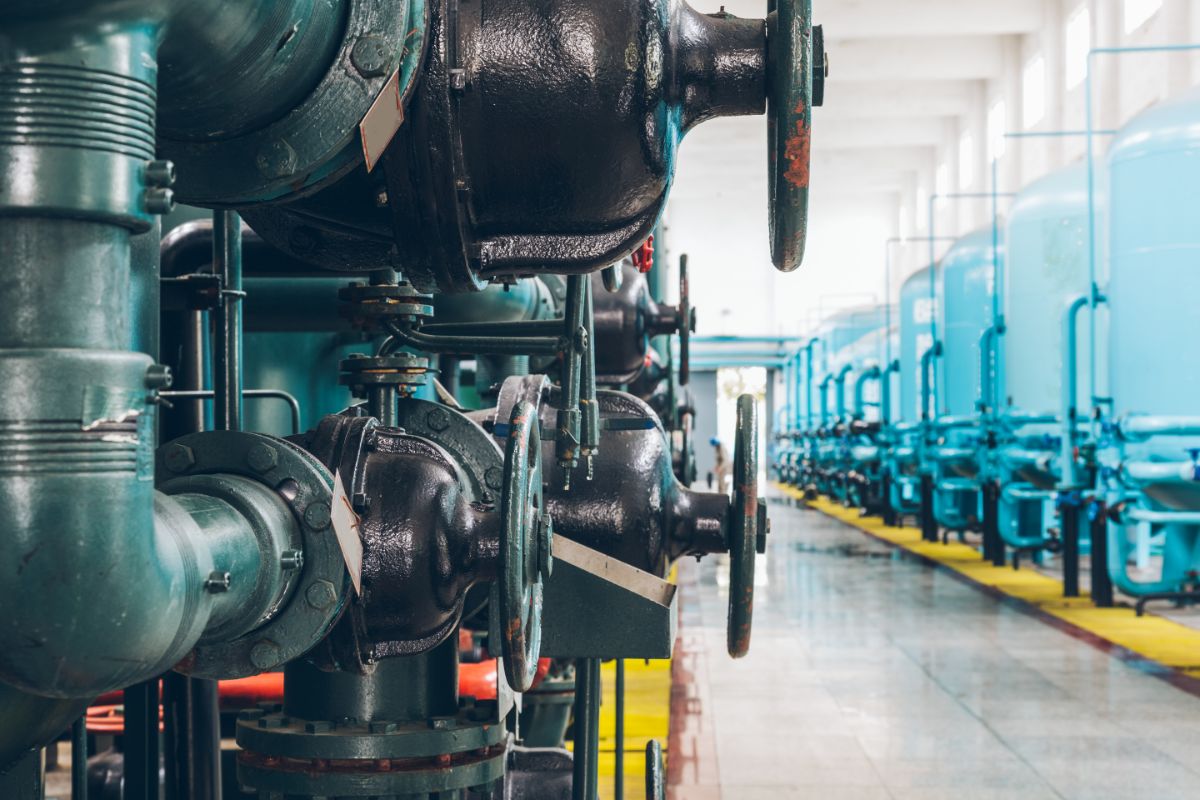
Pressure within the pipes is another concern. If the pressure of the fluids is too much for your pipes, you could risk breakage or leaks. The average pressure that can be handled by most manufacturing pipes is around 150 pounds per square inch gauge. If your process involves higher pressures than this, you may need thicker or stronger pipes or a material that is specifically designed to handle high-pressure liquids.
The longevity of your pipe system
You likely want your pipes to be in prime condition for a long time, but you have to take into account your costs as well. For example, if you know that your plant will only be active for a certain amount of time, you don’t need your pipes to last forever. As we said in an earlier section, don’t underestimate the quality of your pipes, especially if they’ve been purchased from a reliable supplier. They just might last longer than you think.
The ease of maintenance
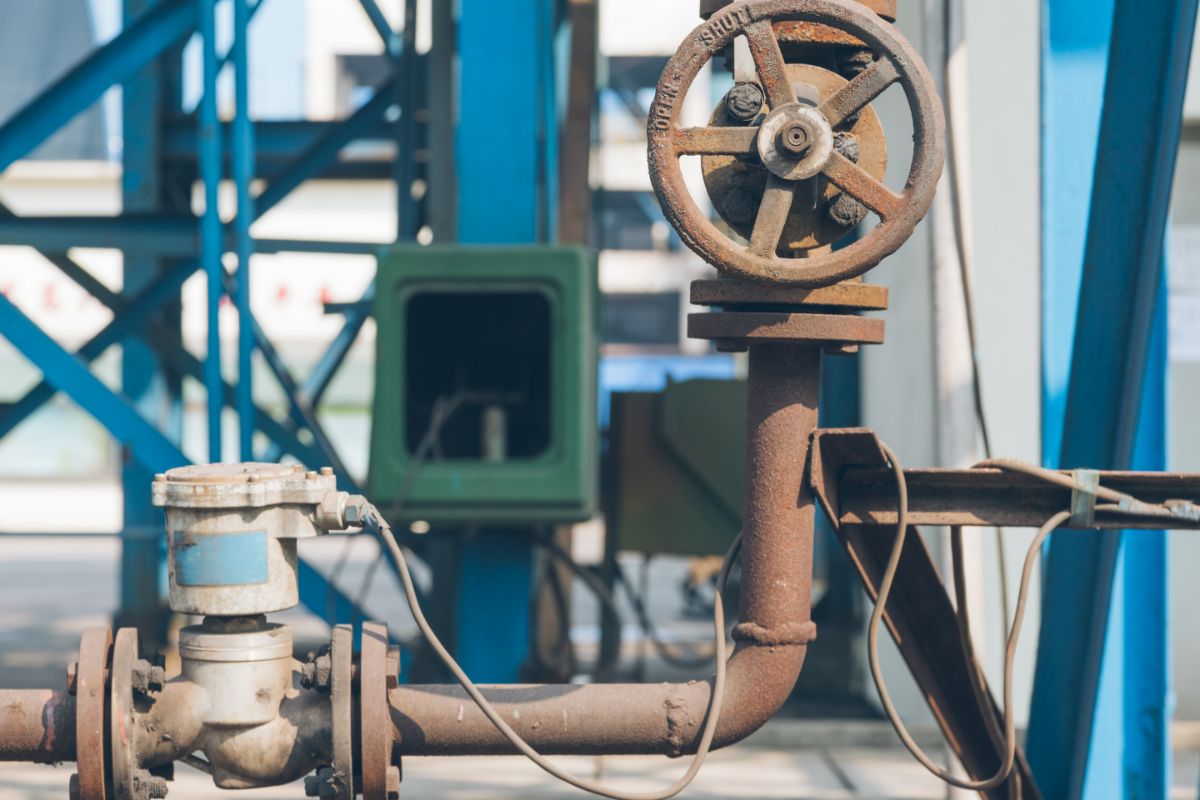
Let’s face it; some pipes are easier to clean than others. And if you get the same effect with different pipes, you might as well choose the one that saves you the time and effort of constant maintenance. Of course, all pipes need maintenance regardless, but if the choice presents itself, always choose the one that’s less time- and resource-consuming to maintain.
Valves and sizes
Finally, once you’ve settled on the material you need for your pipes, don’t stop just yet. Remember to take another very important factor into account: the dimensions your pipes need to have, like their length, circumference, and thickness. This will depend again on the fluid passing through but will consider additional things like the space you have allotted, the pipe material, and the budget you set aside for your system.
Key Takeaway
In this article, we discussed some factors to consider for your industrial piping system. These factors focus on the material and dimensions of your pipes, but there are usually other things to think about when setting up a pipe system.
If you have questions or would like to know more, contact us today. Industrial PH is the leading engineering solutions provider in the Philippines. We provide our clients with industrial machinery including industrial piping systems.